
Last updated November 25, 2026
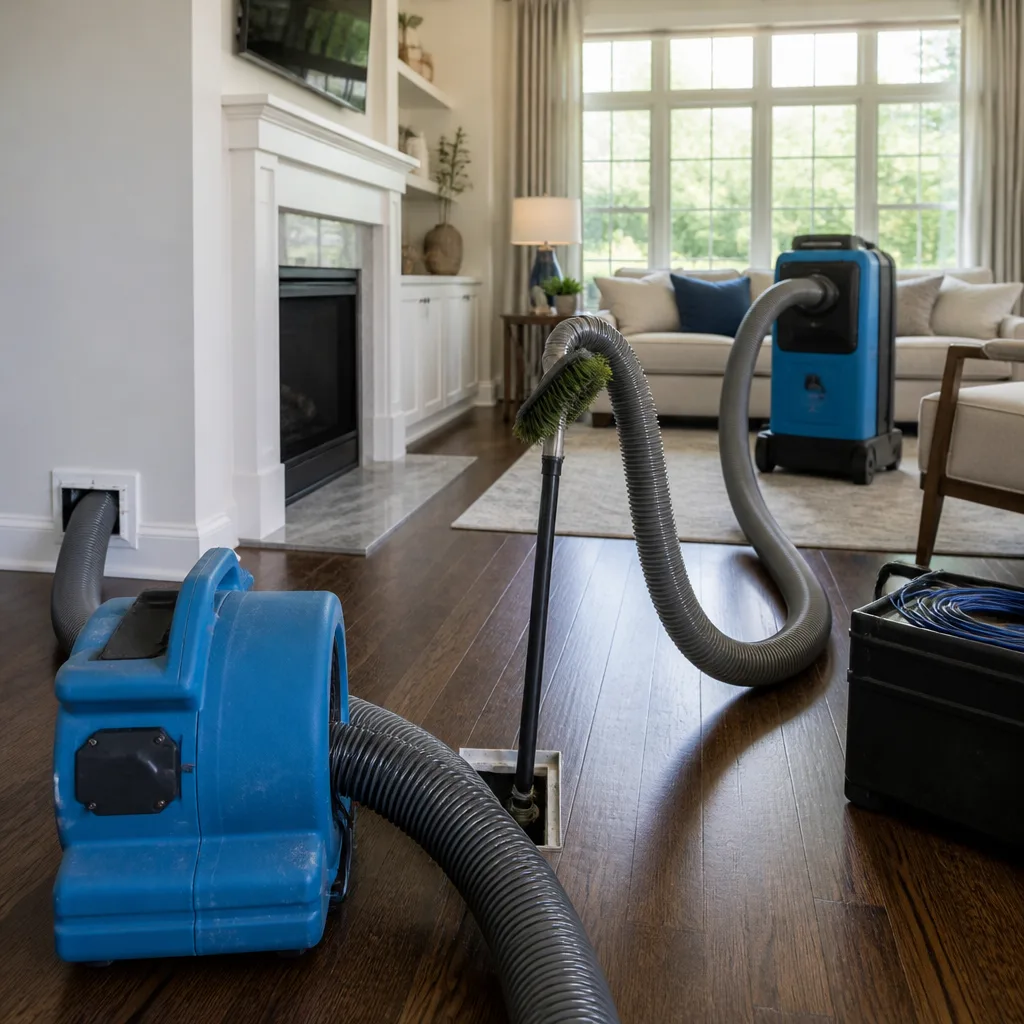 Whole-home duct cleaning
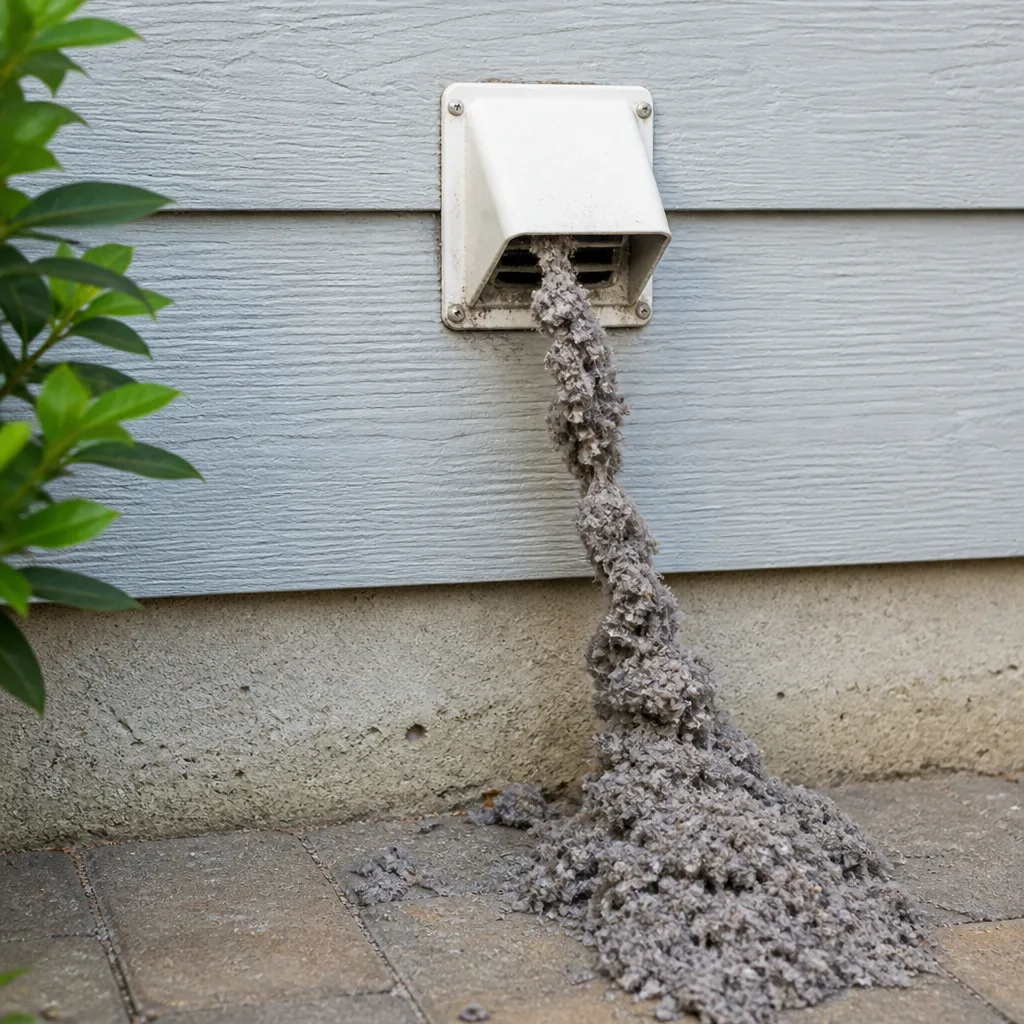 Dryer vent cleaning
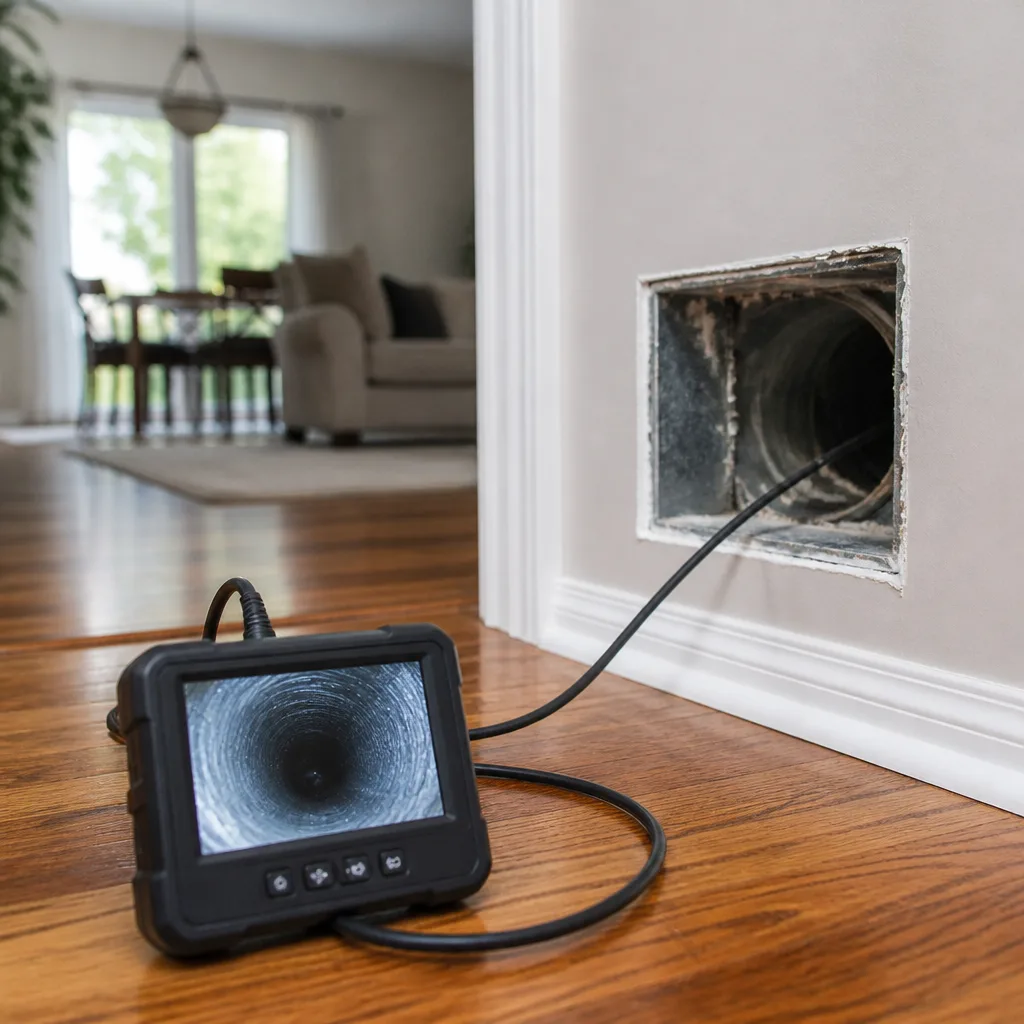 Camera inspection
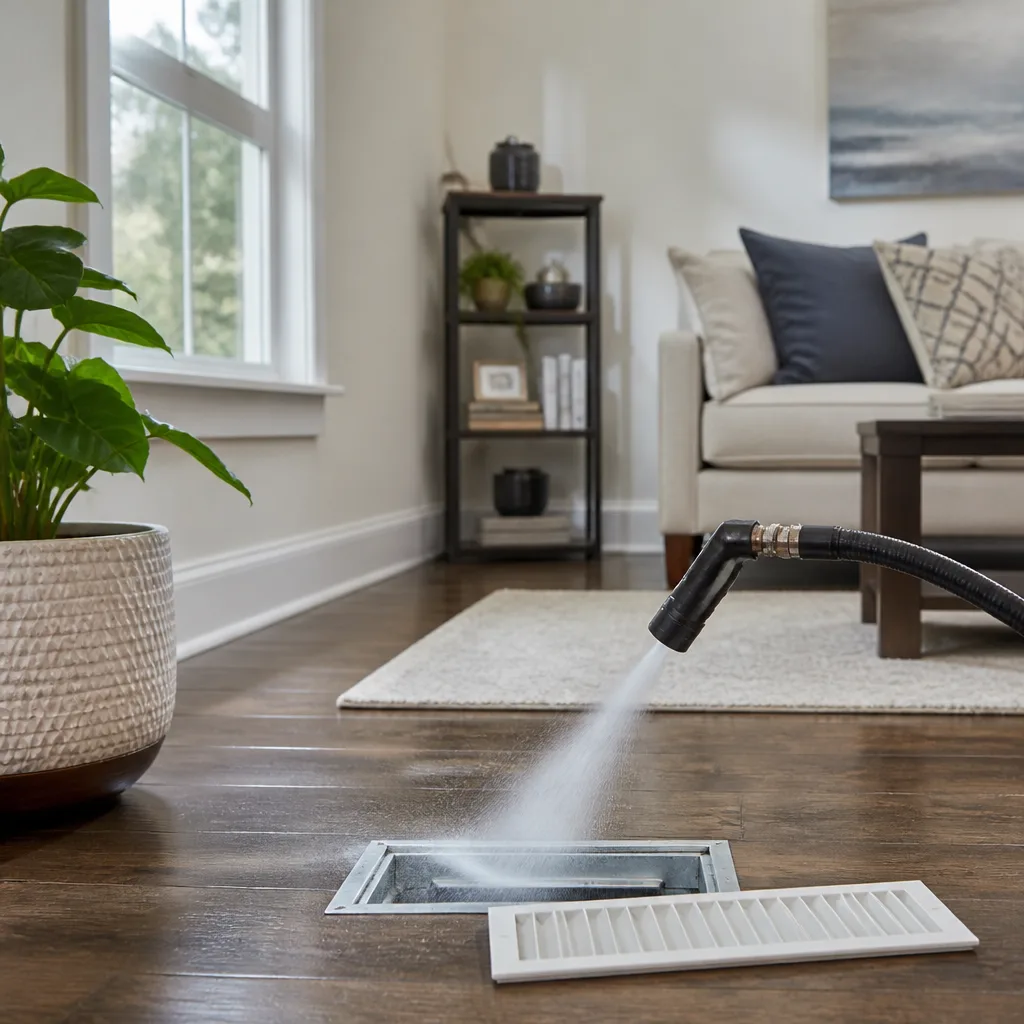 Sanitizing & deodorizing
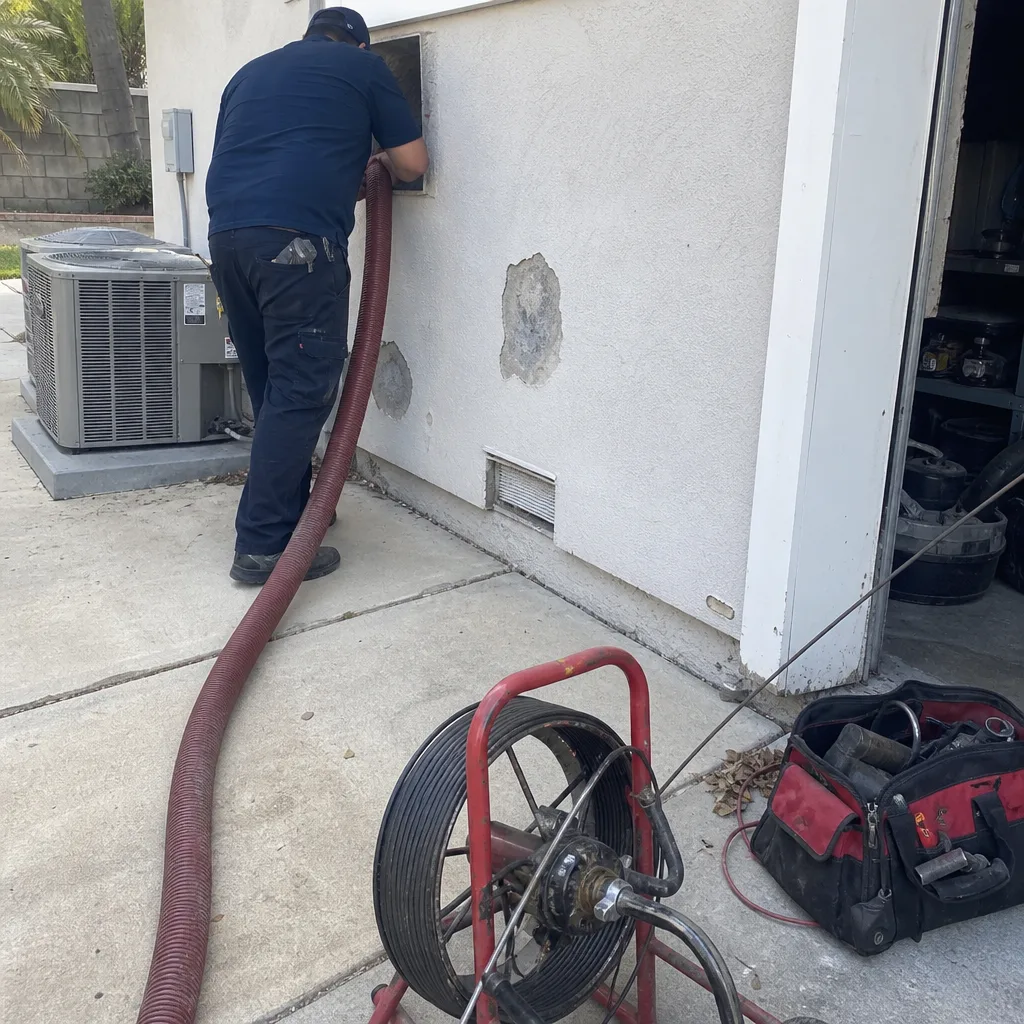
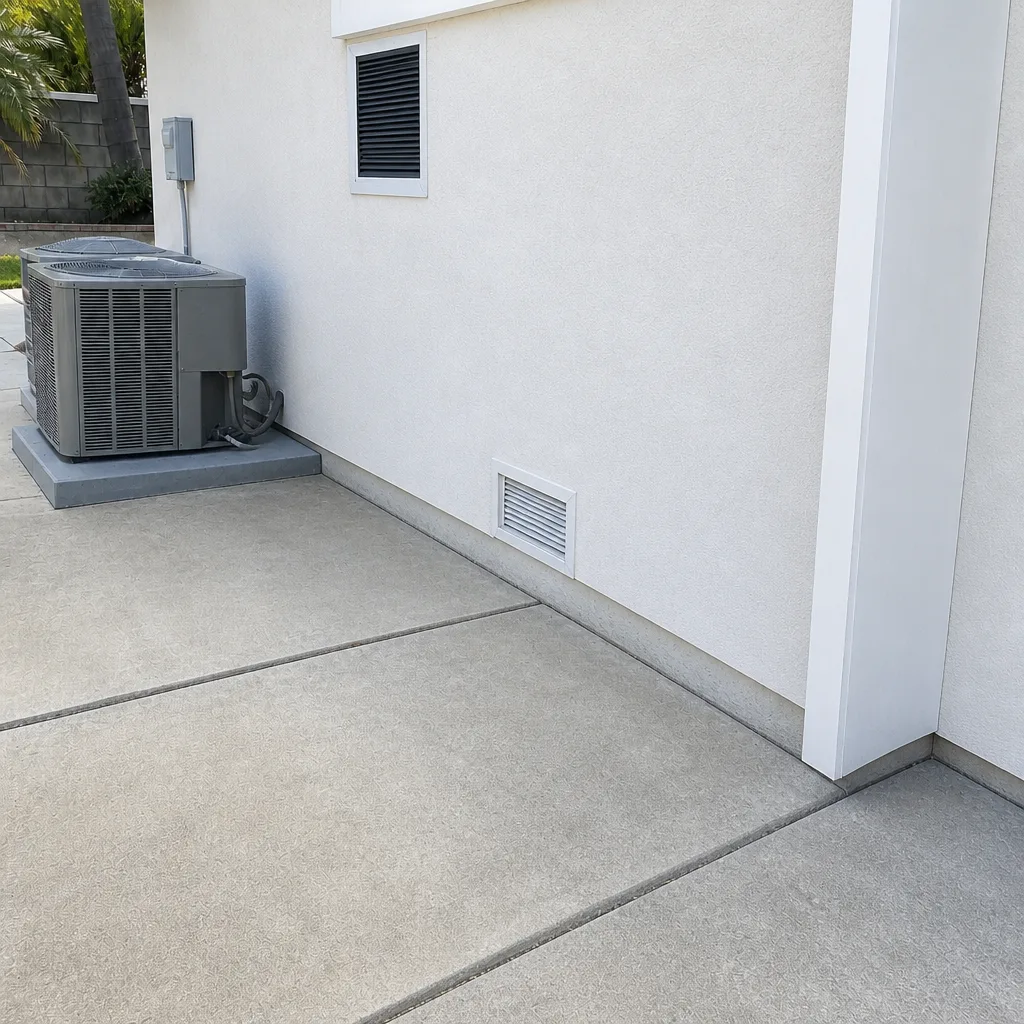
Whole-system duct and dryer vent check with before-and-after photos - you see exactly what came out of your vents
That "$99 whole-house special" is a bait ad - the real number appears once they are in your hallway, or the "clean" is a shop-vac at the register. We photograph the inside of your ducts before and after instead.
DIY vs Professional Air Duct Cleaning: The San Clemente Homeowner’s Decision Guide
Attaching a shop vacuum to a supply register and running a brush through it doesn’t clean a duct. It agitates debris and relies on a machine with roughly one-tenth the suction capacity needed to capture it, which means most of the particulate you dislodge settles back into the system or drifts into your living space. The DIY vs. professional question, then, isn’t really about skill or effort. It’s about equipment physics, and about knowing the specific threshold where a homeowner’s own effort actually helps rather than redistributes the problem. This guide lays out that threshold for San Clemente homeowners: what you can legitimately handle yourself, the three scenarios where DIY makes contamination worse, the concrete numbers behind the equipment gap, and how to fold DIY observations into a professional maintenance rhythm instead of replacing it.
Quick Answer
Professional air duct cleaning uses truck-mounted or high-capacity negative-pressure systems rated at roughly 3,000 to 6,000+ CFM combined with mechanical agitation, while consumer vacuums typically move 100 to 300 CFM and produce no meaningful negative pressure at the register. In practice, homeowners can responsibly handle filter changes, register cleaning, dryer vent clearing, and visual inspection with a phone camera. Anything involving mold-positive systems, deteriorating fiberglass liner, or rodent debris should go to a professional, because DIY agitation in those conditions spreads contamination rather than removing it. For San Clemente homes, where humidity and closed-up shoulder seasons keep mold spores a background concern, that distinction matters more than it does in drier inland climates.
Styles & brands we work with
- Whole-home duct cleaning
- Dryer vent cleaning
- Camera inspection
- Sanitizing & deodorizing
Table of Contents
- The Equipment Gap: What CFM and Negative Pressure Actually Mean
- What Homeowners Can Legitimately Do Themselves
- Three Scenarios Where DIY Worsens Duct Contamination
- Why Coastal Humidity Changes the Cost-Benefit Math
- The Hybrid Approach: DIY Observations That Extend Professional Intervals
- DIY vs. Professional Cost Compared
- How a Professional Cleaning Actually Works
- Common Mistakes to Avoid
- When to Call a Professional
- Frequently Asked Questions
The Equipment Gap: What CFM and Negative Pressure Actually Mean
CFM stands for cubic feet per minute, and it describes how much air a machine moves. Negative pressure describes the suction created inside the duct system when a machine pulls air out of it. These two numbers work together, and both are what separate a professional cleaning from a homeowner’s best intentions. A consumer shop vac or household vacuum typically moves 100 to 300 CFM and creates almost no measurable negative pressure once it’s connected to a duct run longer than a few feet. A purpose-built Rotobrush or Nikro system used with a high-capacity negative-pressure unit moves several thousand CFM and holds the entire duct system under continuous vacuum while agitation happens.
The practical result is this: when the duct system is under real negative pressure, dislodged debris is captured and carried out. When it isn’t, dislodged debris has nowhere to go but back into the supply air or onto your floors.
- Consumer vacuum: roughly 100 to 300 CFM, no sustained negative pressure at the register, no HEPA containment.
- Portable professional unit: typically 1,500 to 3,000 CFM, measurable negative pressure through the whole run, HEPA filtration.
- Truck-mounted or high-capacity negative-pressure system: commonly 3,000 to 6,000+ CFM, whole-system vacuum, dust and debris routed outside the living space.
There’s a second gap that doesn’t show up in the numbers. Negative pressure only works if the duct system is contained. Loose joints, disconnected boots, and gaps at the plenum are common in San Clemente homes, and any one of them will bleed vacuum and let debris escape. That’s why a professional air duct cleaning visit starts with sealing and containment before agitation, not after. Clean air starts at the source, and the source is the whole duct pathway, not just the register you can see.
What Homeowners Can Legitimately Do Themselves
Four maintenance tasks genuinely belong in a homeowner’s hands. They’re low-risk, they don’t require negative pressure, and done correctly they reduce the load the professional system has to remove later. Everything outside this list deserves skepticism about DIY value.
- Register and grille cleaning. Remove the supply and return grilles, wash them with mild soap and water, dry them completely, and vacuum the visible boot behind each one. This removes surface dust and is completely safe. What it does not do is clean the duct run beyond the boot.
- Filter maintenance. Change the filter on the schedule the manufacturer specifies. If you’re running a high-MERV filter, check it monthly during heavy cooling season. A clogged filter starves airflow and puts strain on the blower, which is a bigger problem than a little dust.
- Dryer vent clearing. The short section from the back of the dryer to the wall is homeowner territory. The full run through the wall and to the exterior termination is not, and doing it wrong is a fire risk. Our dryer vent cleaning handles the full run, including the section most homeowners can’t safely reach.
- Visual inspection with a phone camera. Modern phone cameras and cheap borescope attachments give you a real look inside a supply run through a register. What you’re looking for: visible mold growth, crumbling liner material, pest droppings, standing water, and disconnected joints. Note what you find and photograph it. This is diagnostic work, not cleaning work.
One thing that belongs on the list but is often skipped: record what you observe. A photograph of a dust line at a joint and the date you noticed it is genuinely useful information when you book a professional visit. In the San Clemente neighborhoods where homes are older and duct systems have been added to or reconfigured, that record can save real diagnostic time.
Three Scenarios Where DIY Worsens Duct Contamination
There are three conditions where a homeowner’s attempt to clean a duct doesn’t just fail, it makes contamination measurably worse. In each case the problem is agitation without containment.
1. Mold-Positive Systems
If you’ve observed visible mold growth inside a duct, a register boot, or on the liner surface, DIY agitation is the wrong move. Brushing a moldy surface releases spores into the air stream, and without negative pressure and HEPA capture they settle throughout the supply system and into the living space. Professional cleaning in a mold-positive system uses air quality and sanitizing protocols along with containment equipment, and it addresses the underlying moisture issue that allowed the growth in the first place. Cleaning mold without fixing the moisture source is a repeating cycle.
2. Deteriorating Fiberglass Liner
Older duct systems often have interior fiberglass liner, and that liner degrades over time. What looks like caked dust may actually be loose glass fibers. Agitating them with a consumer brush or shop vac will pull fibers into the air stream, where they’re a respiratory irritant and impossible to capture at the consumer level. A professional inspection can confirm whether the liner is intact or whether the affected runs need Duct Repair & Sealing or replacement before any cleaning happens.
3. Systems with Rodent Debris
Rodent activity inside duct systems leaves droppings, nesting material, and urine residue that carries real health risk when aerosolized. Consumer equipment can’t capture it safely. In this situation, agitation without proper containment is a genuine hazard, and the job needs Abatement Technologies-grade containment equipment along with sanitizing afterward. If you’ve seen droppings or evidence of activity near a register, stop and call a professional.
Why Coastal Humidity Changes the Cost-Benefit Math
San Clemente sits in a mild, humid coastal climate where mold spores are a background presence year-round, not a seasonal exception. That changes the math on DIY cleaning in ways that matter. In a dry inland climate, dust that gets stirred up by a shop vac might just settle back and stay relatively inert. Here, particulate that lands in a duct run stays in an environment where humidity sits in a range that supports biological growth. The consequence isn’t a dramatic one-time event. It’s a slow accumulation where a DIY attempt that spreads dust into damp areas quietly creates a more favorable surface for growth than the dust would have been as a settled layer.
Winters here are mild, and homes often stay closed up for long stretches during humid periods and shoulder seasons. Closed-up homes recirculate supply air continuously. When DIY agitation spreads particulate into that recirculating loop, it stays in the air longer than a homeowner expects.
The way to think about this is a risk-weighted cost-benefit, not a raw cost comparison:
- Low-risk DIY (register cleaning, filter changes, dryer vent short section): cheap, safe, actually helpful. Keep doing it.
- Medium-risk DIY (partial agitation with a shop vac in a lightly dusty but otherwise clean system): costs almost nothing but delivers almost nothing. Most of the debris disperses rather than leaves.
- High-risk DIY (agitation in mold-positive, degraded-liner, or rodent-affected systems): saves a small amount of money and creates a larger, more expensive problem down the line. This is where the cost-benefit math turns.
For San Clemente homeowners noticing worsening allergies, musty odors, or unexplained dust buildup, the sensible split is straightforward: keep the low-risk work in-house, and put the medium- and high-risk work in front of someone with equipment designed for it.
The Hybrid Approach: DIY Observations That Extend Professional Intervals
The best use of DIY effort isn’t to replace professional cleaning. It’s to extend the interval between visits by keeping accurate records and catching early signals. Here’s the routine that works:
- Photograph each register boot every six months. Consistent lighting, same angle. If dust accumulation between visits is speeding up, that’s an airflow signal worth acting on.
- Note any musty odor and where it’s strongest. Odor at one register is a localized issue. Odor throughout the house points to something in the shared return or plenum.
- Check the filter monthly, log it, and change on schedule. The pattern of filter loading over time tells you a lot about how much dust the system is actually pulling in.
- Watch blower speed and system runtime. If your unit is running longer to hit the same temperature setpoint, a restricted duct system is a real possibility.
- Clear the short dryer vent section and inspect the exterior termination flapper. If the flapper sticks or the lint screen fills faster than before, that’s your cue to book the full-run cleaning.
Carry that record into your next professional visit. When you book, describe what you’ve observed and when. A technician who knows where you’ve been seeing the problem will focus the inspection, and the cleaning itself gets more targeted. That’s the hybrid approach: DIY handles the surface and the observation, and the professional handles the physics and the fix. When your HVAC itself needs attention, HVAC cleaning belongs alongside the duct work, since the two share the same air pathway.
DIY vs. Professional Cost Compared
DIY duct cleaning saves the professional fee but rarely delivers the clean. Professional cleaning costs more upfront but removes contamination in a single visit with documented results. For San Clemente homeowners, the ranges below reflect typical local pricing for a standard single-story home. Homes with multiple zones, long runs, or a second story land at the upper end of these ranges, and the written estimate sets the final price.
- Consumer shop vac: $60 to $150. Cleans the register and the first foot of duct at best. Redistributes debris beyond that.
- Borescope or camera attachment: $30 to $100. Doesn’t clean anything, but gives you real diagnostic information. Worth it.
- Typical professional whole-system duct cleaning for a standard San Clemente home: $350 to $700. Includes negative pressure, mechanical agitation across every run, HEPA containment, and before-and-after photos of your own ducts.
- Add-on Duct Repair & Sealing for leaks found during cleaning: $200 to $600 depending on the number of leaks and accessibility. This is what makes the cleaning last rather than letting contaminated air back in through gaps.
- Mold-adjacent or high-particulate cleanup requiring containment equipment: $600 to $1,200 depending on scope. Situations that call for Abatement Technologies gear and sanitizing afterward land in this band.
One flat price per system, agreed before work starts, is the standard you should hold any provider to. If a quote starts with a per-vent price or a teaser coupon figure, the final invoice almost always comes in higher than expected. What you want instead is a specific range, a walk-through on the day, and a written estimate that doesn’t move once work begins.
How a Professional Cleaning Actually Works
Understanding the process makes the equipment gap concrete. Here’s what a full-system cleaning involves in a San Clemente home:
- Inspection and containment setup. Every register, grille, and the air handler are checked, and the negative-pressure connection is made at the main trunk or plenum. Loose joints are sealed first so the vacuum holds.
- Mechanical agitation of every run. A Rotobrush or Nikro system pushes an air-driven rotary brush through each duct run from the plenum side. The brush loosens caked debris while the negative-pressure system captures it.
- Air handler and coil cleaning. The blower, coil, and interior of the air handler are cleaned separately. Dust that bypasses the filter ends up here, and cleaning ducts without cleaning the air handler leaves the source intact.
- Register and grille cleaning. Every supply and return is removed, cleaned, and reinstalled.
- Sanitizing where needed. When mold or rodent activity is confirmed, sanitizing follows the mechanical clean, and in appropriate cases a residual protective treatment is applied.
- Repair and sealing of what was found. Leaky joints, disconnected boots, and compromised runs get addressed in the same visit. This is the step that keeps the clean air in the ducts where it belongs.
- Before-and-after documentation. Photos of your ducts, taken before and after, showing what came out and what the system looks like now.
One visit, full system, no subcontractors. Cleaning, dryer vent, HVAC, repair and sealing, and sanitizing are all handled by the same group, which matters because the diagnosis that starts a cleaning is the same diagnosis that identifies a leak or a compromised liner. Splitting that work across contractors usually means a cleaning happens without the leak getting fixed, and the contamination returns within a season or two.
Every job uses purpose-built equipment. Rotobrush and Nikro systems are what we use on every cleaning, and Abatement Technologies containment equipment is on hand when conditions call for it. When filtration upgrades make sense for a home, we work with Honeywell and Aprilaire indoor air quality products and can recommend and install them during the same visit. For homes that need a step beyond cleaning, duct repair and sealing is the completion of the job, not an upsell. And when a system needs the full treatment, including sanitizing with a Guardsman-grade protective treatment, that’s part of the same service.
Common Mistakes to Avoid
- Assuming a shop vac is a duct cleaner. It isn’t. Consumer vacuums don’t produce the negative pressure needed to capture dislodged debris, so most of what you loosen ends up back in the air. Renting a bigger shop vac doesn’t close the gap, because the gap is measured in thousands of CFM.
- Using a spinning brush attached to a drill. These agitate aggressively without containment. In a San Clemente home with an older fiberglass liner, that brush can shred the liner and send glass fibers into the supply stream. If you’ve already seen crumbly liner at a register, don’t go further in.
- Spraying disinfectant or “duct fogger” products into a register. Without cleaning first, you’re wetting a dust layer and creating conditions where mold can grow. Sanitizing belongs after mechanical cleaning, not instead of it.
- Ignoring the air handler while cleaning the ducts. The blower and coil are where dust settles when it bypasses the filter. A run of ducts that has been cleaned but sits on top of a dirty air handler will re-contaminate within a season.
- Cleaning the short dryer vent section and calling it done. The full run through the wall and out the exterior termination is where lint compacts and fire risk lives. If you smell hot lint or the exterior flapper is sticking, book the full-run dryer vent cleaning.
- Choosing a provider on a per-vent price. Per-vent pricing is how a small job turns into a large invoice. Ask for a range for the whole system, and confirm it will be the price agreed before work starts.
- Not asking for before-and-after photos of your own ducts. Any provider who won’t show you what came out and what the run looks like after is asking you to trust a process you can’t see. Photos of your ducts, not stock images, are the standard.
When to Call a Professional
Call a professional if any of these are true: visible mold inside a register or a duct run, rodent droppings near a register, crumbling or deteriorating liner material, musty odor persistent throughout the house, allergy symptoms that get worse indoors and better outside, unexplained rises in the energy bill without a change in usage, or an HVAC system that’s running longer to hit the same setpoint. In each of these cases, DIY agitation risks spreading contamination rather than removing it, and the professional equipment that captures what gets dislodged is what makes the difference. Homes in San Clemente that have never had a professional cleaning and are more than a decade old are worth a walk-through even without symptoms, since duct systems accumulate regardless of how careful the filter routine has been. San Clemente Air Duct Cleaning Pros offers free estimates in San Clemente. Call (866) 371-4884. We answer 24/7. Fast dispatch from 7am to 7pm, Sunday through Friday.
Frequently Asked Questions
Typical professional whole-system duct cleaning for a standard San Clemente home runs $350 to $700, with a written estimate setting the final price. Homes with multiple zones, long runs, or a second story land at the upper end, and add-on Duct Repair & Sealing runs $200 to $600 depending on what’s found. Call (866) 371-4884 for an exact quote. Estimates are free.
It can. Two things cause damage: the agitation tools often used with a shop vac, and the vacuum itself. Consumer equipment can pull seals apart at joints and, in systems with older fiberglass liner, loosen or shred liner material and send fibers into the supply stream. The physics problem cuts both ways. There isn’t enough suction to capture debris, but there’s often enough to damage soft components.
The cheap quotes usually aren’t for the same job. A low teaser price that turns into a larger invoice once the technician is on site, per-vent pricing that adds up fast, or a cleaning that skips the air handler and negative pressure are the common ways a quote stays low. What you want to compare is the whole-system range and a written estimate agreed before work starts, not the headline number.
Before-and-after photos of your own ducts, not stock images or dealer materials. A responsible provider will photograph what came out of the runs and what the duct interior looks like afterward, and will walk you through what was found. If containment was done right, you shouldn’t see visible dust blow from the registers when the system comes back on. If you do, that’s a signal something wasn’t sealed before agitation.
For most San Clemente homes, every three to five years is a reasonable rhythm for a full professional cleaning, sooner if there’s been renovation work, water intrusion, or rodent activity. In the local climate, humidity and closed-up seasons keep mold spores a background concern, so homes with musty odors or allergy patterns tied to indoor time warrant a check sooner. Between professional visits, keep up with your own filter changes, register cleaning, and dryer vent maintenance.
Filter changes protect the blower and reduce what reaches the duct walls, but they don’t clean the ducts. Filters capture what passes through them, and a surprising amount of dust settles in the runs anyway, particularly at plenum transitions, elbows, and the last few feet before a register. A filter routine is genuinely important, but it substitutes for replacement filter media, not for a professional mechanical cleaning.
Yes, and that’s the approach we take. Cleaning the ducts without cleaning the air handler and coil leaves dust in the system that will re-contaminate the runs within a season. HVAC cleaning and duct cleaning belong together, and so does repair and sealing for any leaks found along the way. One visit, full system, no subcontractors to coordinate. Call (866) 371-4884. We answer 24/7. Fast dispatch from 7am to 7pm, Sunday through Friday.
The Bottom Line
The decision isn’t DIY vs. professional as a general preference. It’s whether the specific task at hand can be done with the equipment in a homeowner’s garage. Filter changes, register cleaning, dryer vent maintenance, and phone-camera inspections are yours to handle, and doing them well extends the interval between professional visits. Anything involving mold-positive systems, degrading liner, or rodent debris is not, because the equipment gap means DIY agitation spreads contamination rather than removing it. For San Clemente homeowners dealing with allergy patterns, musty odors, or unexplained dust, a professional cleaning with proper negative pressure and documented before-and-after photos is the sensible move. Getting a free estimate costs nothing, and it gives you the information to decide.
If you’ve been wondering whether to rent a bigger shop vac or call someone, we’re happy to help you sort it out. San Clemente Air Duct Cleaning Pros handles cleaning, dryer vent, HVAC, repair and sealing, and sanitizing as five integrated services under one roof, with Rotobrush and Nikro equipment on every job. Call (866) 371-4884 for a free estimate. We answer 24/7. Fast dispatch from 7am to 7pm, Sunday through Friday. When we arrive, you’ll get a specific range for the whole system, a flat price agreed before work starts, before-and-after photos of your own ducts, and a satisfaction guarantee behind the work. Our technicians have up to 10 years of experience, and we’re happy to show you exactly how a professional cleaning differs from anything you can rent for a weekend.
Written by the team at San Clemente Air Duct Cleaning Pros.
See the difference
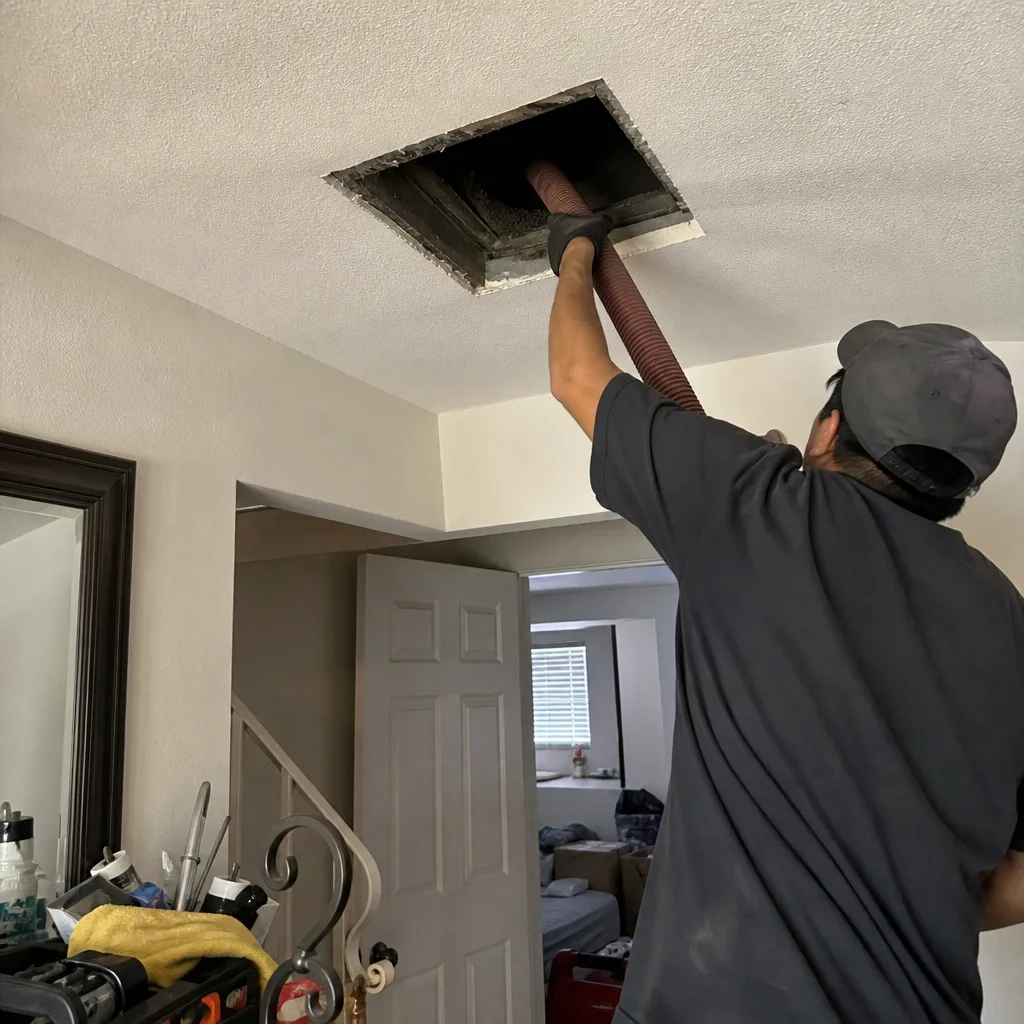 Before
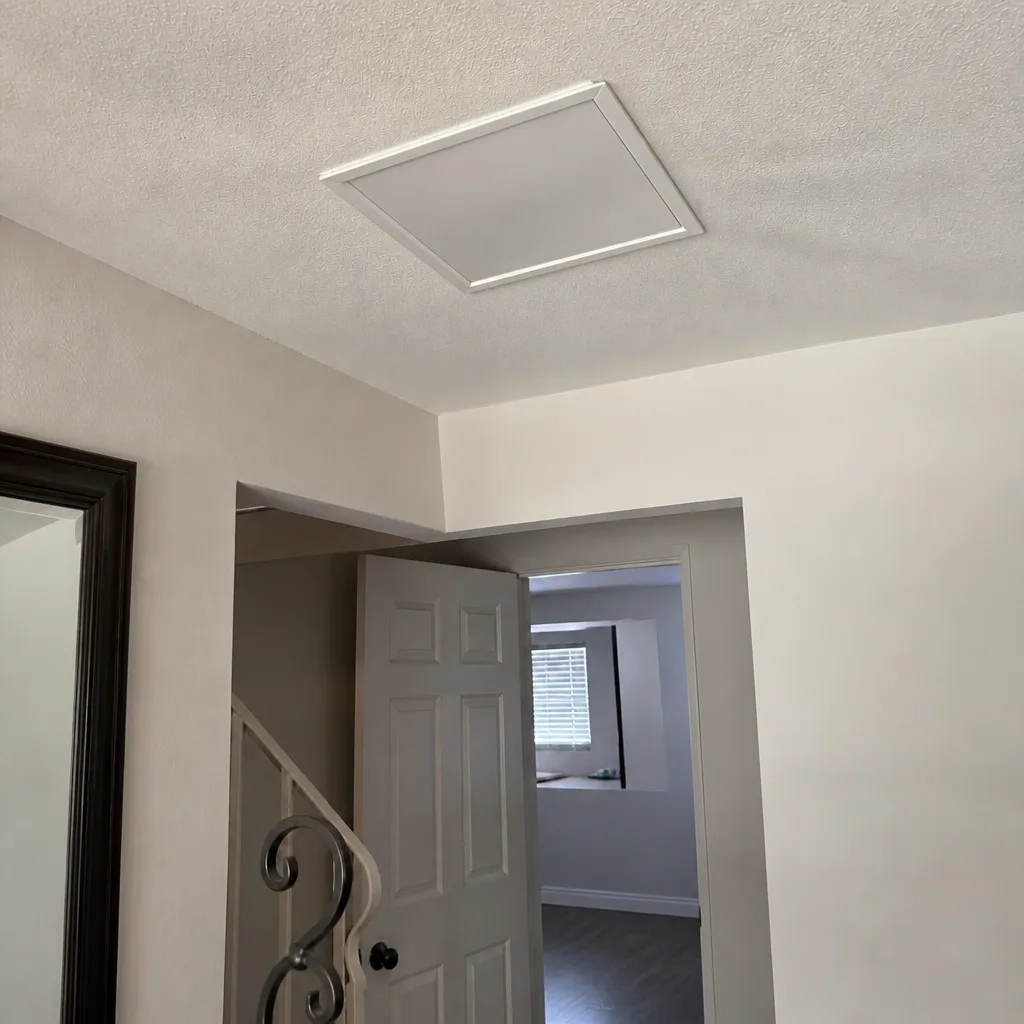 After
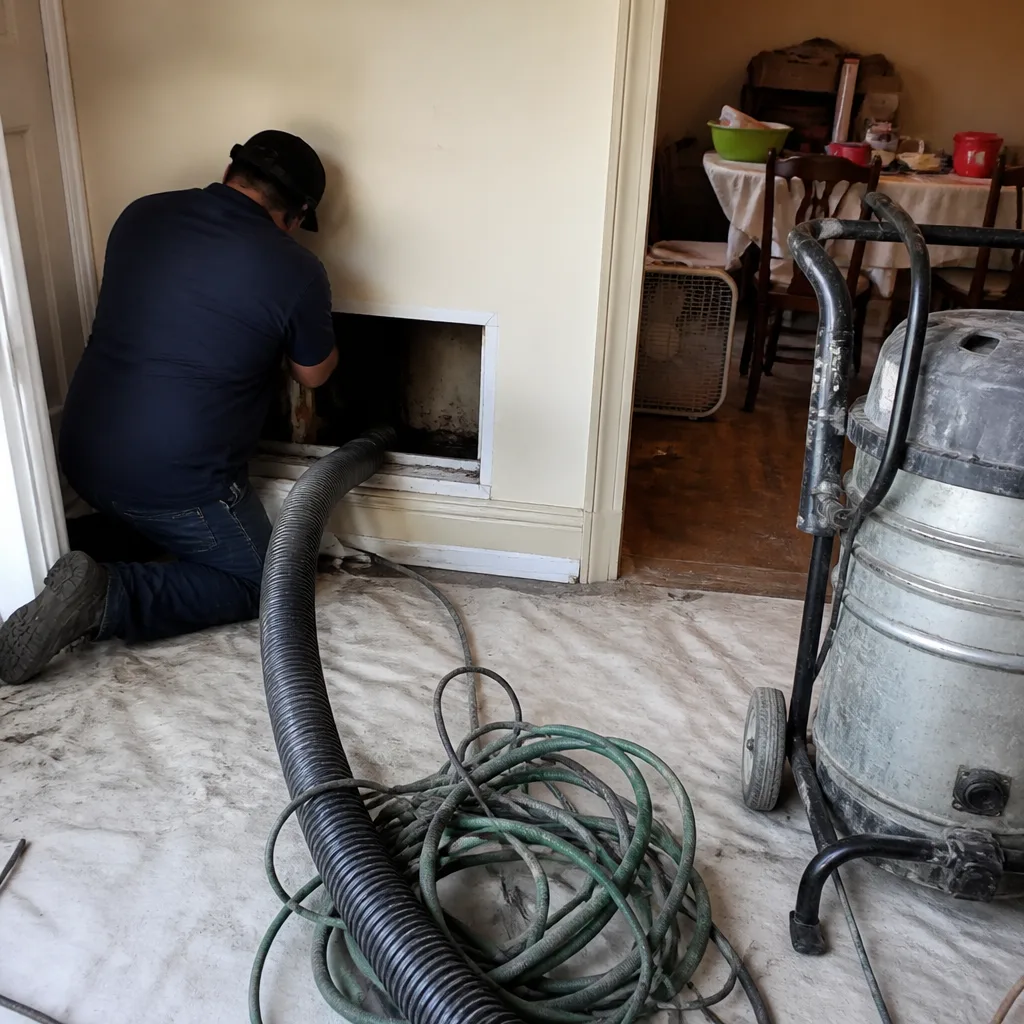 Before
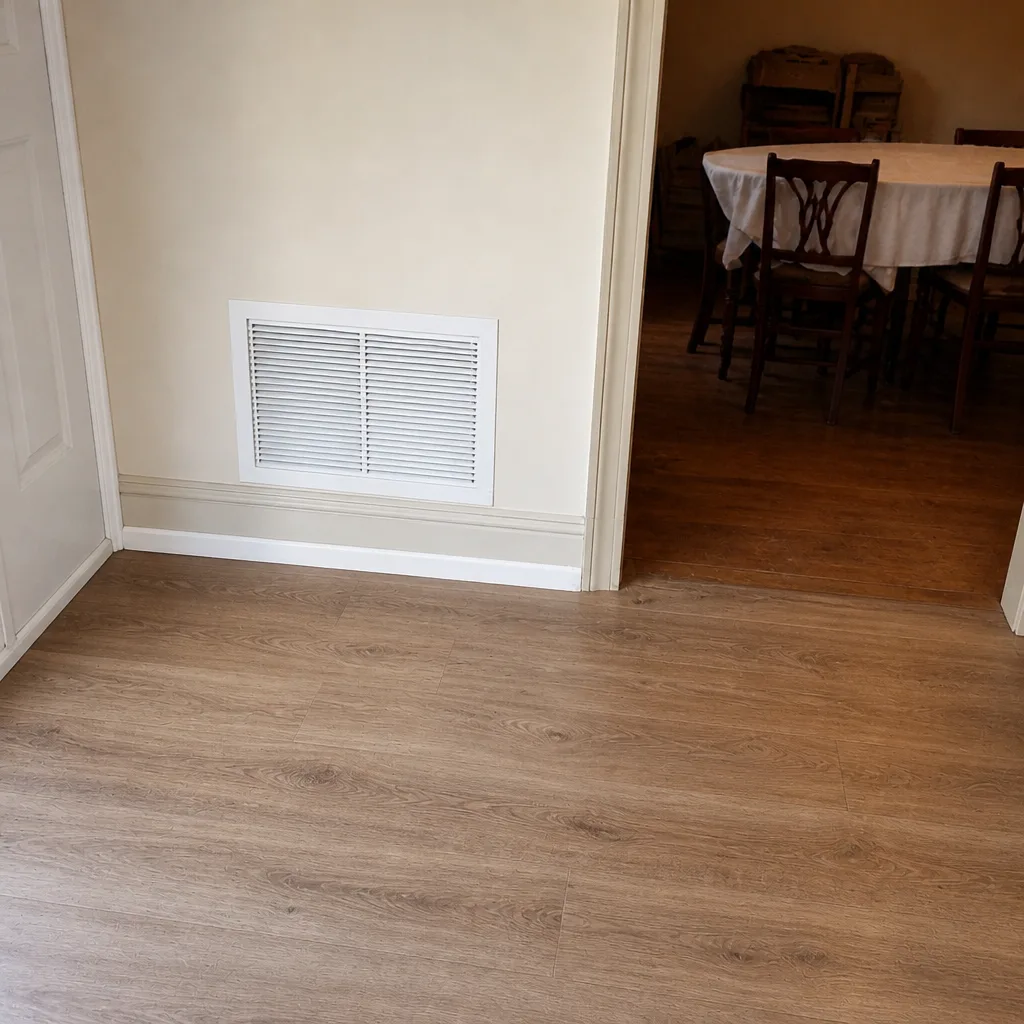 After
 Before
 After