
Last updated November 25, 2026
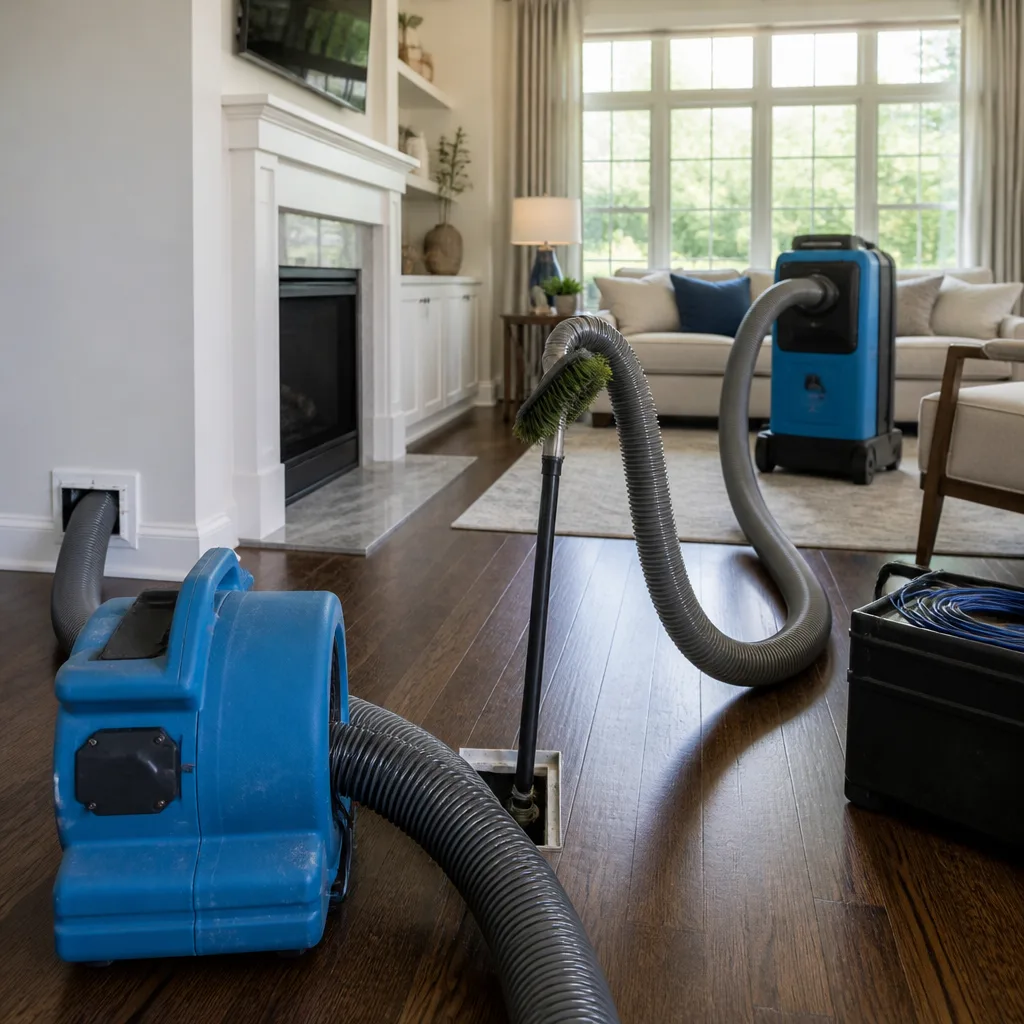 Whole-home duct cleaning
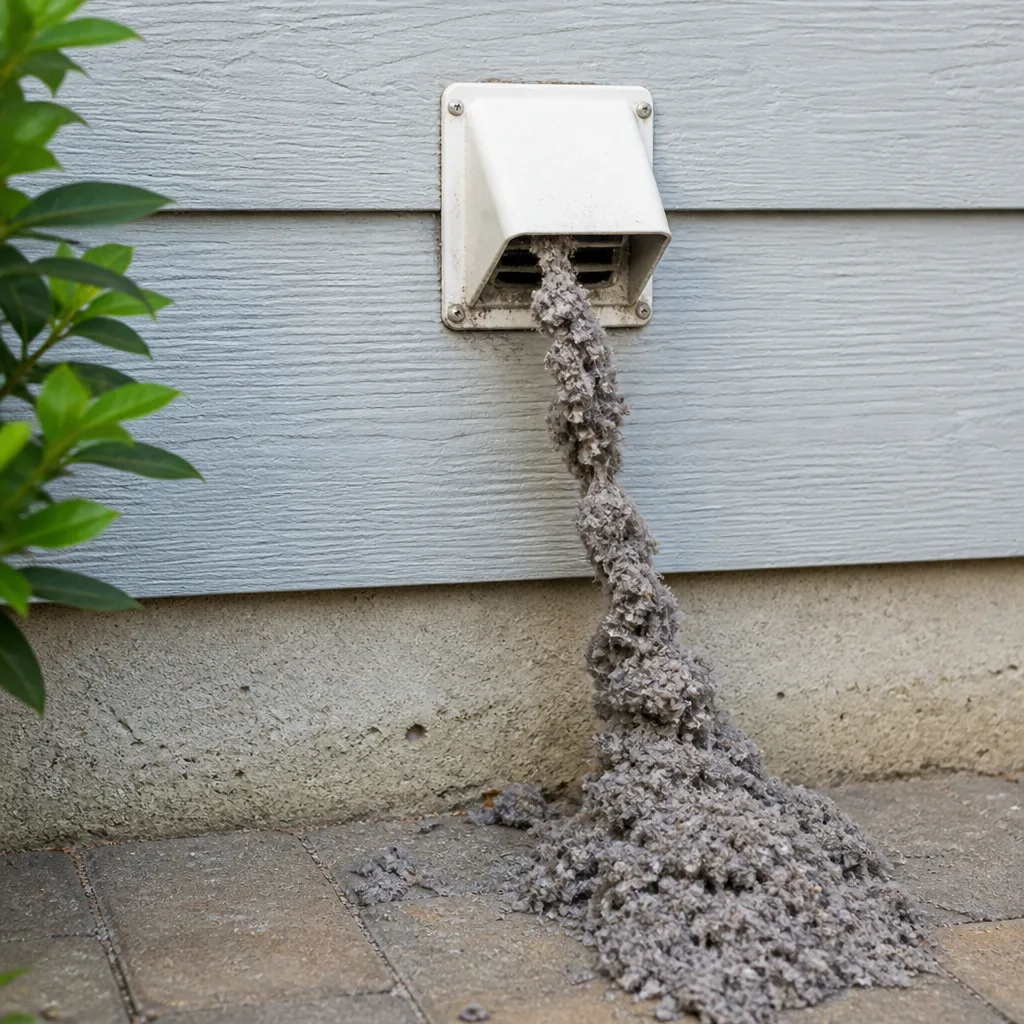 Dryer vent cleaning
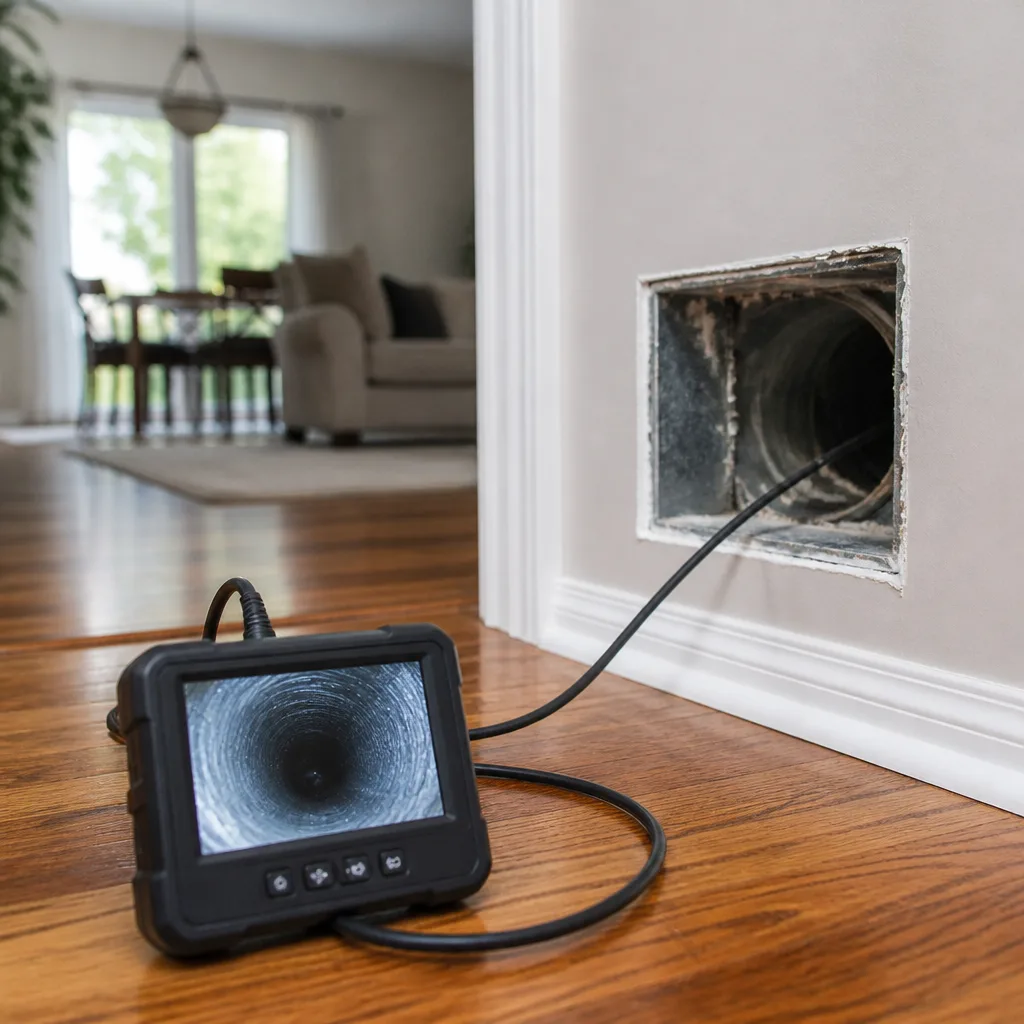 Camera inspection
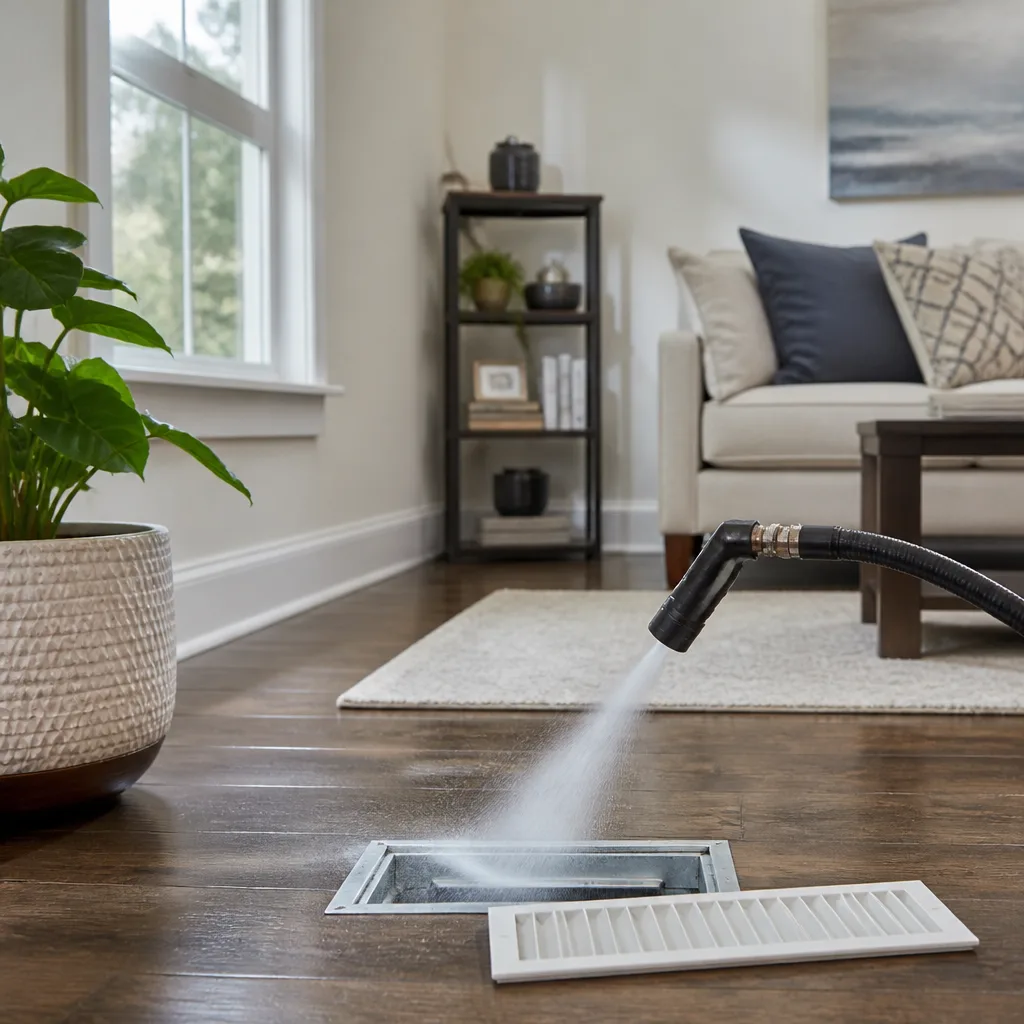 Sanitizing & deodorizing
Whole-system duct and dryer vent check with before-and-after photos - you see exactly what came out of your vents
That "$99 whole-house special" is a bait ad - the real number appears once they are in your hallway, or the "clean" is a shop-vac at the register. We photograph the inside of your ducts before and after instead.
Seasonal Air Duct Cleaning Care for San Clemente: Year-Round Homeowner’s Guide
Most people assume a place with weather as forgiving as ours doesn’t need a real air-duct calendar. Here’s the counterintuitive part: San Clemente homes often need more careful timing than homes in harsher climates, because our “mild” year still swings through distinct air-quality stressors that each load your ducts differently. October is statistically the worst month to run your HVAC without an inspection first, not because of cold, but because Santa Ana wind particulate is at its peak while mold from the humid summer has had months to settle. This guide walks through what each season actually does to your duct system, and how to schedule service around it instead of a random annual interval.
Quick Answer
You should time air-duct cleaning in San Clemente to the local climate calendar rather than a fixed once-a-year date. That means inspecting before Santa Ana season in late September, checking for moisture after the marine-layer summer, and treating wildfire-smoke windows as a separate event that needs its own inspection. A two-visit annual schedule built around those cycles keeps your system cleaner, catches mold early, and costs less over time than reactive cleaning after problems have already set in.
Styles & brands we work with
- Whole-home duct cleaning
- Dryer vent cleaning
- Camera inspection
- Sanitizing & deodorizing
Table of Contents
- Why Seasonal Timing Beats an Annual Reminder
- San Clemente’s Four Indoor-Air Stress Seasons
- Pre-Santa Ana Inspection: Why Late September Matters
- June Gloom, Humidity, and the 60% RH Mold Threshold
- Choosing and Changing Filters by Season
- Post-Wildfire and Smoke Exposure Protocols
- Building a Two-Visit Annual Service Schedule
- When to Call a Professional
Why Seasonal Timing Beats an Annual Reminder
An annual reminder from a calendar app has no idea what happened in your house this year. It doesn’t know that June Gloom ran long, that a nearby fire pushed smoke over your neighborhood for a week in November, or that you burned fires in the living room all winter. Your ducts live through all of that, and a single yearly cleaning treats every year as if it were identical.
Seasonal scheduling fixes that. Instead of picking a date and hoping it’s right, you inspect at the two moments that matter most in San Clemente: before the dry, windy season loads your system with fine particulate, and after the humid season has had a chance to create moisture-driven growth. Everything else is a check-in, not a full flush.
In our experience, the payoff isn’t just cleaner air. It’s knowing the state of your system at the two points where problems either start or get sealed in for the whole year. When you can see the ducts at the start of the dry season and again at the end of the wet one, you’re making decisions from evidence rather than from a sticker on the air handler.
This is also where full-system work matters. A vacuum-only clean doesn’t tell you whether a joint is leaking or a register boot has separated. Reaching for proper air duct cleaning with the right equipment means the inspection and the fix happen together, and you’re not guessing at the state of the system a second time.
San Clemente’s Four Indoor-Air Stress Seasons
San Clemente doesn’t get four hard seasons the way the rest of the country does, but it does get four distinct stress windows for indoor air. Think of them as the periods when your duct system is asked to do the most work in a specific direction.
- Late spring to early summer (June Gloom): humid, gray mornings that keep indoor humidity elevated for weeks. This is the mold-risk season.
- Mid to late summer: heat cycling as the marine layer lifts by midday and the AC runs against it. This is the dust-cycle season, when dry particulates from the return side get pushed through every room.
- Fall (October especially): Santa Ana wind events push fine particulate and ash from inland fire activity into the same ducts that have been sitting humid all summer. This is the highest-load season.
- Winter: fireplace and heater use adds combustion byproducts and soot to the return path, while the system runs less often and lets settled material sit.
Each of these seasons loads a different kind of contaminant. That’s the reason a single annual cleaning, timed for one season, leaves the others partly unaddressed. A San Clemente homeowner who cleans in, say, March is cleaning before the summer humidity has done anything, and the same homeowner cleaning in November is cleaning after the Santa Ana particulate has already circulated.
The right rhythm catches each season’s contribution before it becomes the base layer for the next one.
Pre-Santa Ana Inspection: Why Late September Matters
Late September is the single most useful inspection window in the San Clemente year, and it’s the one most homeowners skip. By that point, whatever mold or moisture the June Gloom months seeded has had about three months to establish itself in the ductwork. At the same time, the Santa Ana wind season is about to load fine particulate into the system. Inspecting in that gap means you catch both problems at the same moment.
A proper pre-season inspection looks at more than dust levels. It looks at:
- Moisture readings inside the return side and at the air handler, to check for growth from the humid summer.
- Joint integrity and register-boot connections, because a system that leaks at a joint will pull unfiltered air in during wind events.
- Filter condition and MERV rating, which almost always needs to change for the fall season.
- Visible settled particulate at the return and inside the supply trunk, to gauge how much has accumulated through the summer.
- Anything the homeowner has noticed in the last three months, since the summer is when smells and dust complaints peak.
If the inspection finds a problem, this is the moment to fix it, not later. A joint that’s resealed in late September holds through the Santa Ana season. The same joint sealed in December has already passed a season of pulling fine particulate into the living space. This is why the HVAC cleaning visit is most valuable in the fall, before wind season, rather than after.
June Gloom, Humidity, and the 60% RH Mold Threshold
Mold needs moisture, and in San Clemente the moisture arrives quietly. June Gloom is the obvious culprit, but the subtler problem is what happens when indoor humidity in the ducts sits above roughly 60% relative humidity for days at a time. That’s the threshold where mold growth becomes a realistic risk rather than a theoretical one.
In our experience, most homes in San Clemente hover below that line through most of the year. The exception is the humid stretch in late spring and early summer, and the exception to the exception is any home with a partially blocked return, a poorly sealed joint, or a duct run in a cool, dark crawl space. Those conditions hold humidity longer, and that’s where growth starts.
The fix is awareness before it’s treatment. A cheap indoor hygrometer placed near the return, or a smart thermostat with a humidity readout, tells you what your ducts are actually seeing during June Gloom. If you’re seeing readings climb above 60% RH on a regular basis, that’s your cue to inspect. It’s also why a routine clean scheduled in the wrong month misses the point entirely.
When the readings do cross that line, the response is a real inspection plus targeted treatment. That’s where a system like Abatement Technologies equipment comes in: high-particulate and mold-adjacent situations need proper contaminant capture, not a household vacuum. Cleaning without addressing the moisture source is temporary, which is why we pair the treatment with a look at sealing and air-pathway integrity.
Choosing and Changing Filters by Season
One filter grade for all 12 months is a common mistake, and in San Clemente it costs you both air quality and equipment life. The right filter in June is different from the right filter in October, and the change interval shifts with what’s in the air.
- Late spring (pre-June Gloom): a standard MERV 8 to MERV 11 filter, changed on a normal interval. Filtration isn’t the priority; moisture is.
- Summer (heat cycling): a MERV 11 filter, checked more often, because dry dust from returns is being pulled through weekly.
- Fall (Santa Ana season): a MERV 13 filter, changed at the start of the season and again mid-season if there’s visible soiling. Fine particulate is the priority here.
- Winter (fireplace and heater use): back to MERV 11 with a check for soot loading if a fireplace or gas heater is in the home.
The MERV 13 step in fall is worth the attention. It captures fine particulate that a lower grade lets through, and during a Santa Ana event, that’s the difference between a system that filters and one that recirculates. The catch is that higher-MERV filters restrict airflow more, so the air handler has to be able to handle it; check the manufacturer’s rating before stepping up, and if you’re unsure, that’s a conversation to have with whoever services your HVAC.
The other catch is that a filter is only as good as the pathway around it. A MERV 13 filter in a system with leaking joints still pulls unfiltered air in downstream. Filter upgrades work best after the system has been inspected and sealed. We stock and install Honeywell and Aprilaire air-quality products for exactly that reason: the filter and the pathway need to be handled together.
Post-Wildfire and Smoke Exposure Protocols
Wildfire smoke windows are their own category, and standard cleaning doesn’t address them well. The issue isn’t only particulate; it’s the chemical residue that smoke leaves on duct surfaces and in the air handling unit, which a routine vacuum doesn’t remove. If your neighborhood saw meaningful smoke over multiple days, treat it as an event requiring its own inspection rather than as part of the normal cycle.
A post-wildfire inspection looks different from a maintenance clean. It focuses on:
- Visible ash and fine particulate at the return and inside the supply trunk, since fine particulate settles there first.
- Odor at every register, which usually indicates smoke residue has bonded to duct surfaces rather than just passed through.
- A sealing check, because smoke that entered through leaking joints needs the same gaps closed to keep future smoke out.
- A sanitizing step with Guardsman-grade protective treatments, which addresses the surface residue that vacuuming alone leaves behind.
It’s also why we keep Abatement Technologies equipment on hand for elevated scenarios. High-particulate conditions after a smoke event need contaminant capture, and a standard cleaning setup doesn’t always get there. The same dryer vent cleaning visit is a good time to check a second exhaust pathway in the home, since a residential vent can carry similar residue and a lint-loaded line adds its own risk.
Timing matters here too. A post-wildfire inspection within a few weeks of the event captures residue before it either binds fully or gets pushed into living spaces by the next heating cycle. Put it off a whole year and you’re cleaning a different problem.
Building a Two-Visit Annual Service Schedule
Two visits per year, timed right, will keep a San Clemente home’s duct system in better shape than four visits on random dates. The idea is to catch each of the two biggest stress windows before it loads the system, not after. Here’s how to structure it.
- Late September (pre-Santa Ana visit): full inspection, full cleaning, sealing of any failed joints, and a filter change to MERV 13. This is the anchor visit. It addresses summer moisture and prepares for wind season.
- Late March or early April (post-winter, pre-June Gloom visit): inspection and light cleaning focused on what winter added (soot, settled dust), plus a filter reset and a moisture check before the humid season.
That’s the minimum. Add a check-in after any significant smoke event, and a dryer-vent inspection once a year on its own timeline, since a residential dryer vent doesn’t care about the outdoor seasons but does care about lint load.
The value of this schedule comes from ordering, not frequency. The September visit seals the pathway. The spring visit verifies the seal and resets the system before humidity. Between the two, the filter changes carry most of the load. Doing the September visit and skipping the spring one is common, and it’s also the reason so many homes arrive at the next September with more moisture growth than they should have. A single well-timed visit is better than a random one; two well-timed visits are better than four random ones, and cheaper too.
Common Mistakes to Avoid
- Cleaning by calendar reminder instead of the local cycle. A March cleaning misses the June Gloom moisture entirely, and a January cleaning arrives after the Santa Ana particulate has already circulated. If your reminder isn’t on the San Clemente calendar, it isn’t on a useful calendar.
- Running one MERV grade all year. The filter that’s right for humid summer is too low for Santa Ana season, and the one that’s right for fall can restrict airflow if the system can’t handle it. Match the filter to the season.
- Skipping the inspection because there’s no visible dust. A duct system with a leaking joint looks fine from every register but is pulling unfiltered air in on every cycle. Visible dust is a late signal, not an early one.
- Ignoring the smell after a smoke event. Odor at the registers means smoke residue has bonded to duct surfaces. A standard cleaning leaves it, and the smell returns with the next heating season.
- Treating cleaning as separate from sealing. A duct system cleaned and left with the same gaps will be exactly as dirty a few months later. Sealing is the step that makes the clean last.
- Letting June Gloom humidity run without checking. Most San Clemente homes are fine, but the homes that aren’t need an early inspection. A hygrometer near the return costs less than a mold treatment.
- Calling only after a problem is obvious. By the time a smell or a dust complaint is obvious, the problem has been building for a season. Seasonal inspection catches it while it’s still small.
See the difference
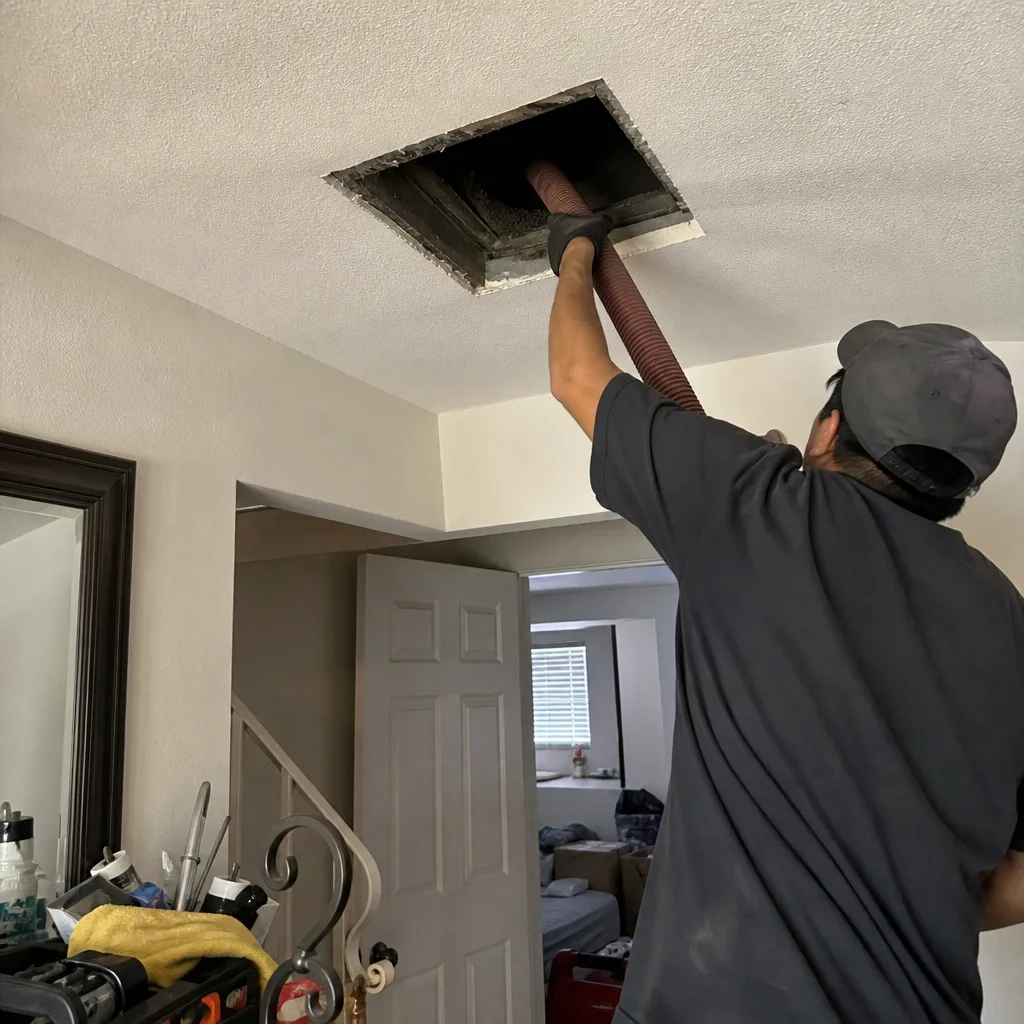 Before
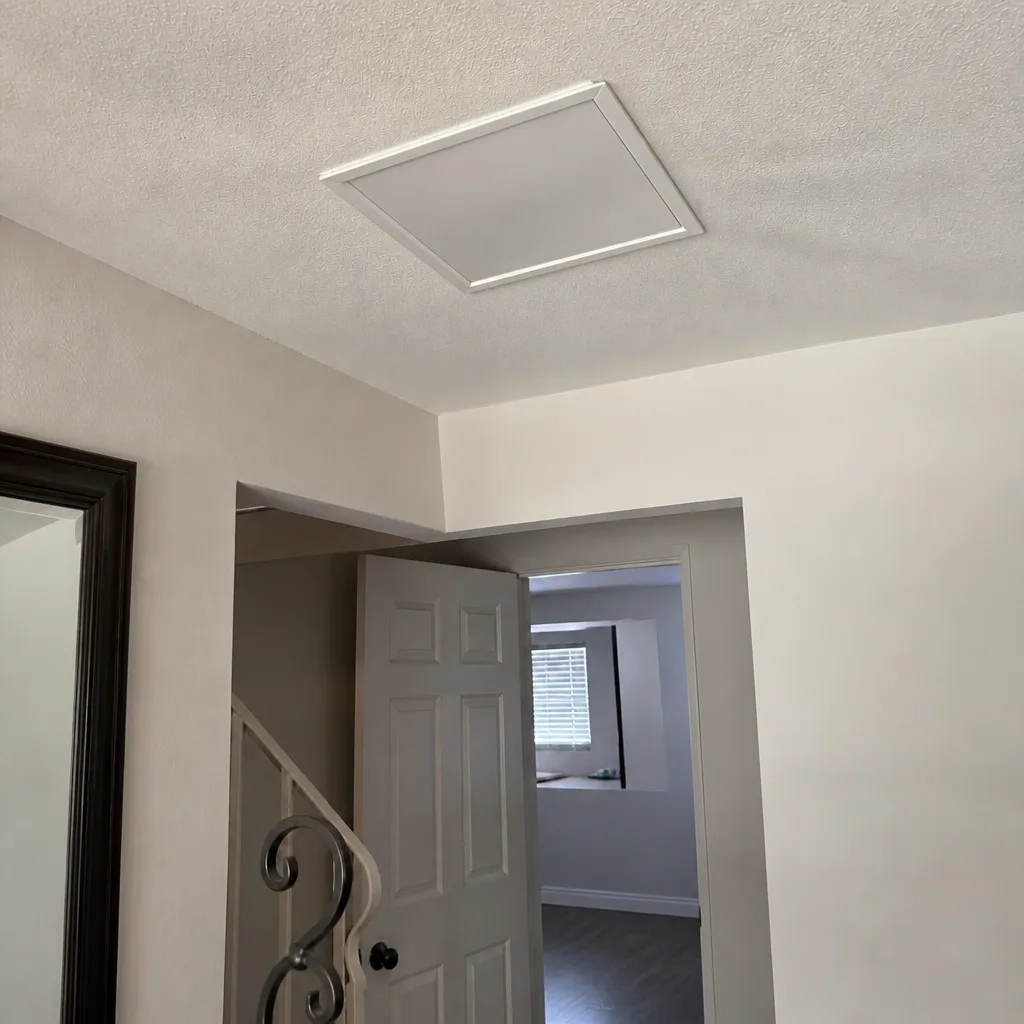 After
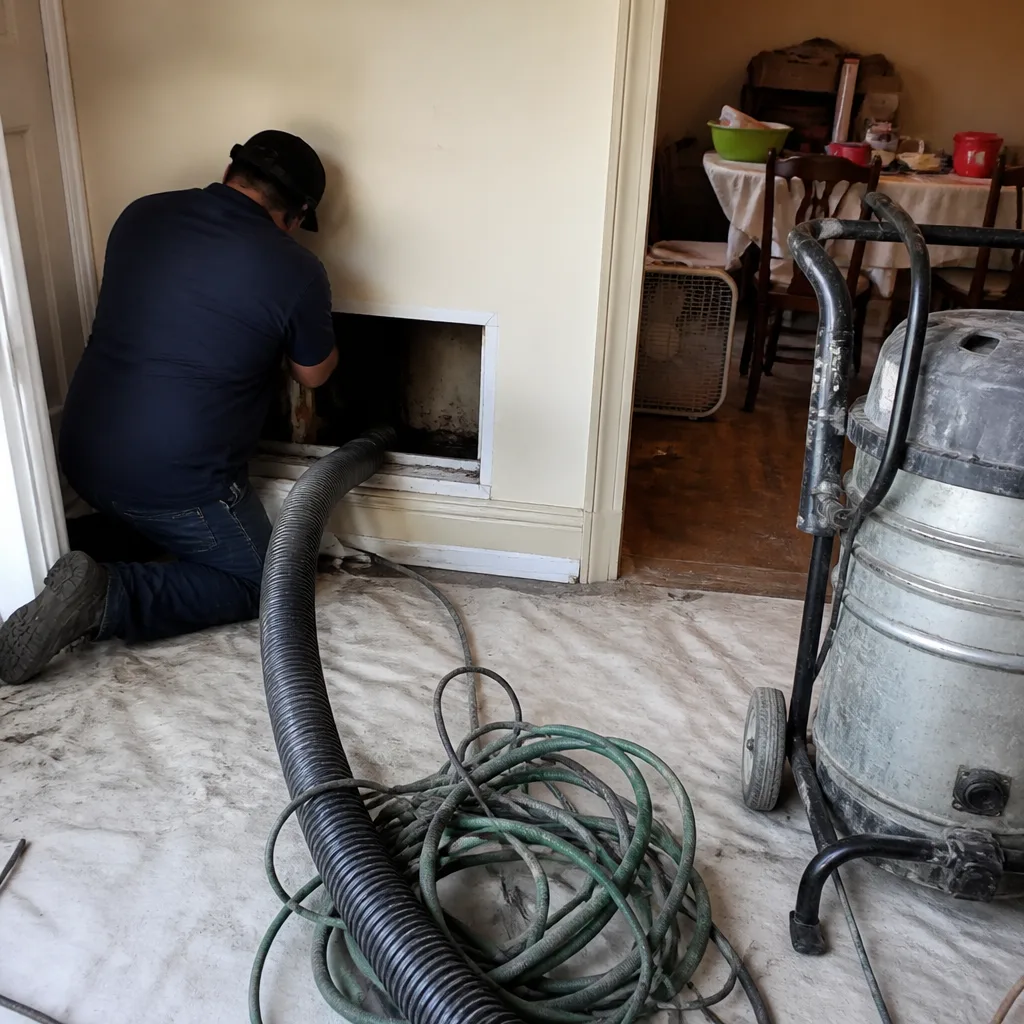 Before
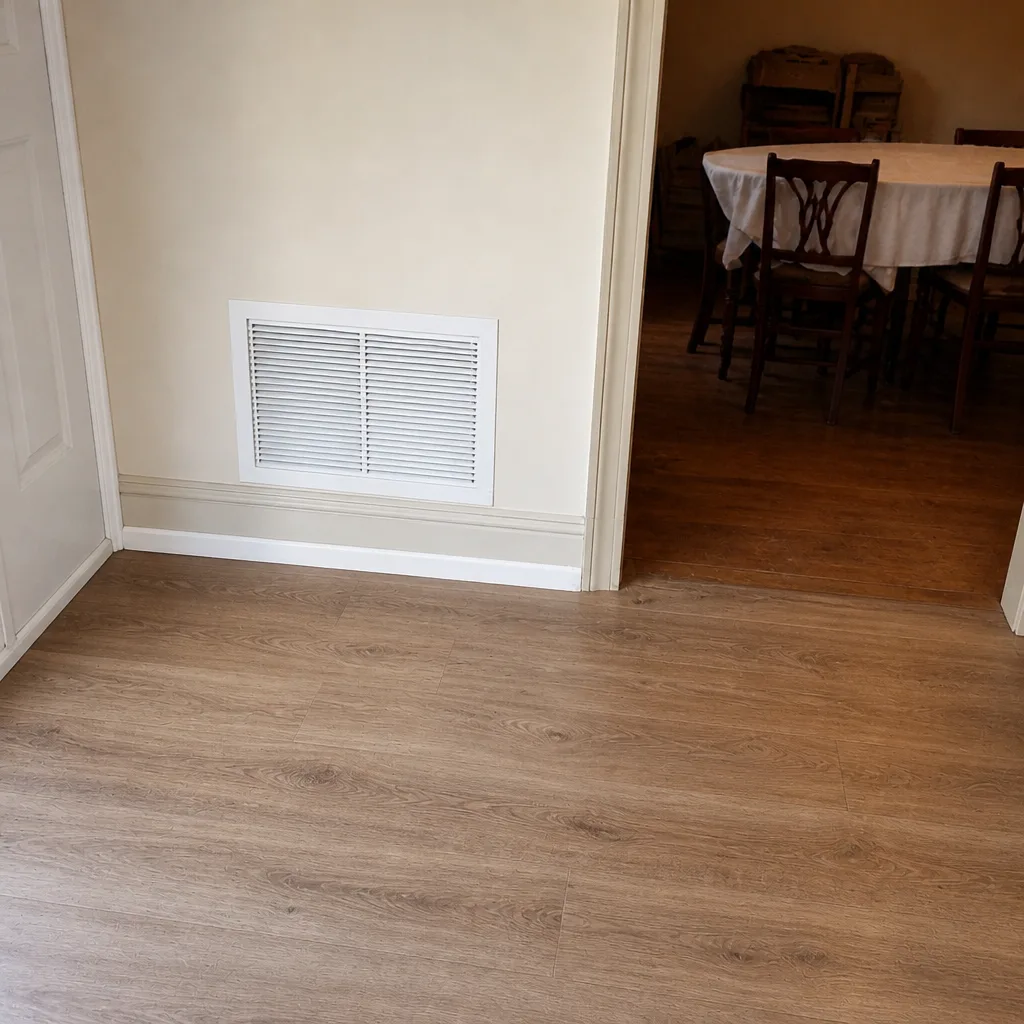 After
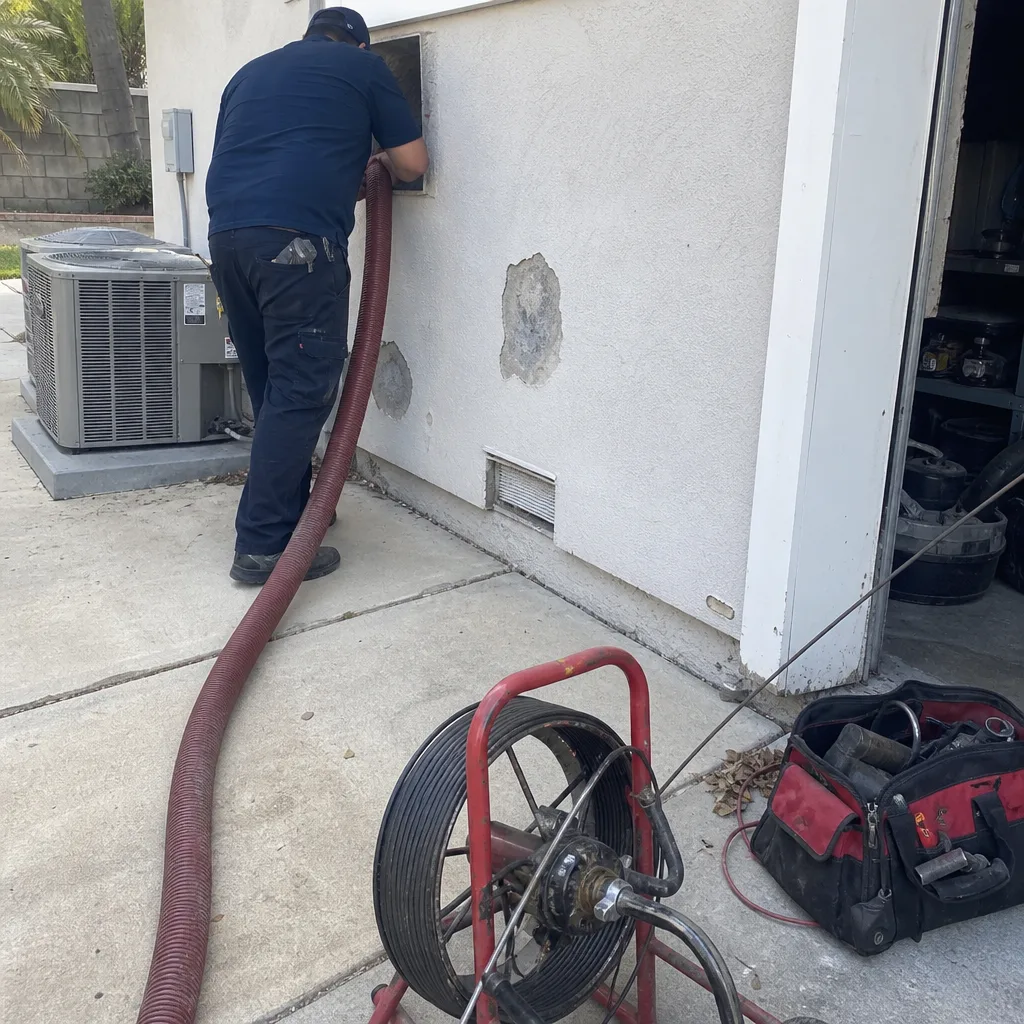 Before
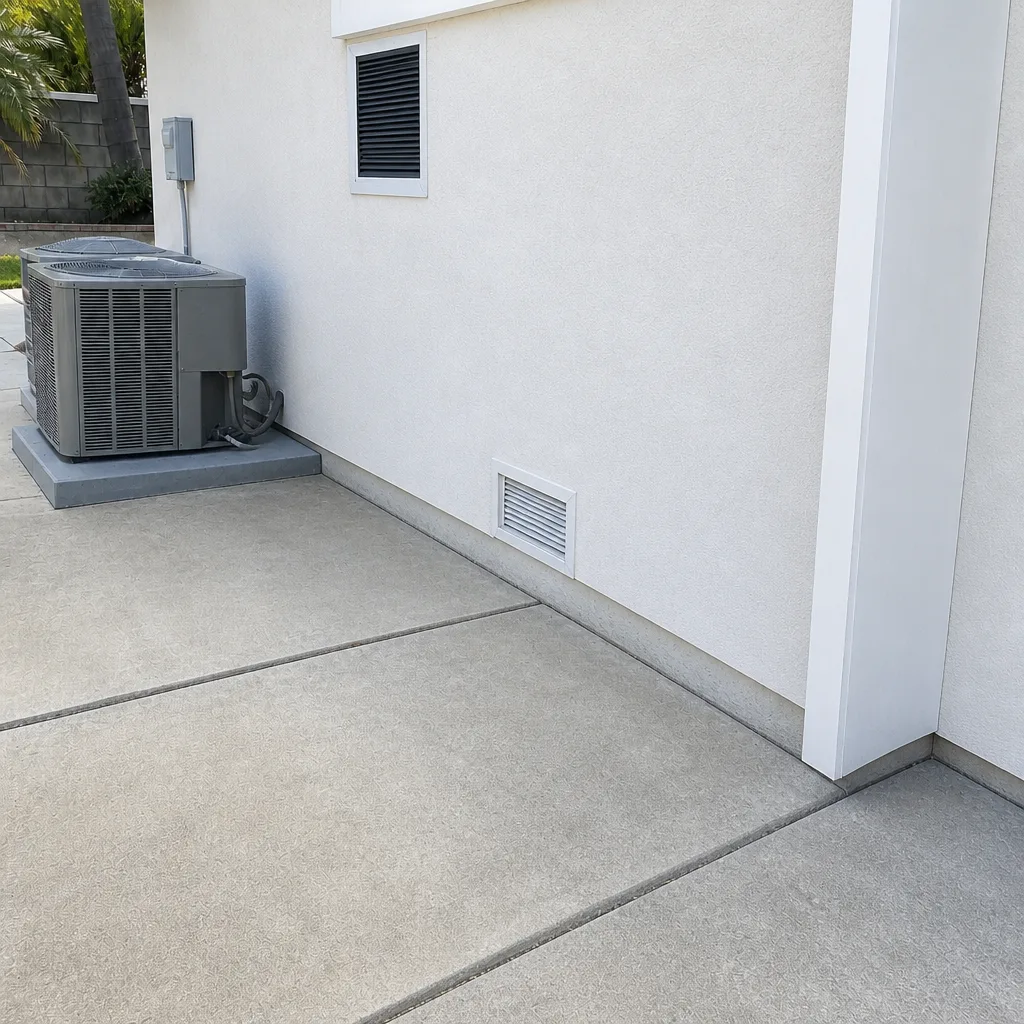 After
When to Call a Professional
Some checks are do-it-yourself: a hygrometer near the return, a filter change, a visual look at the register grilles. Others need a trained eye and the right tools. Call us when you smell something you can’t identify at the registers, when a smoke event has left visible ash or lingering odor, when you’re seeing humidity readings above 60% RH inside the ducts for multiple days, or when a dust complaint comes back within weeks of cleaning. Call us before Santa Ana season if you haven’t inspected since last fall. San Clemente Air Duct Cleaning Pros offers free estimates in San Clemente; technicians have up to 10 years of experience and use Rotobrush and Nikro systems on every job. Call (866) 371-4884. We answer 24/7. Fast dispatch from 7am to 7pm, Sunday through Friday, closed Saturday. The local pro is licensed and insured as their state requires, and the price is set per job by the written estimate.
Frequently Asked Questions
For most homes, a two-visit schedule works better than a single annual clean: a pre-Santa Ana visit in late September and a post-winter visit in late March or early April. Homes with pets, recent smoke exposure, or moisture issues benefit from an extra check-in after a smoke event. The frequency isn’t arbitrary; the two visits are timed to catch the two biggest loading windows in the local calendar. Call (866) 371-4884 for an exact quote; estimates are free.
October combines two problems in a single window. The June Gloom summer has had months to establish any mold that started during the humid stretch, and Santa Ana wind activity is at its peak for fine particulate. Running your system through that combination pushes both contaminants through the house. A late September inspection catches both before they circulate. Call (866) 371-4884 to book an inspection; estimates are free.
Use a MERV 8 to MERV 11 in late spring, a MERV 11 in summer, a MERV 13 in fall for Santa Ana season, and back to MERV 11 in winter. The fall step-up is the important one, since fine particulate is the seasonal concern. Check that your air handler can handle the higher restriction before you step up the grade. Call (866) 371-4884 if you want a recommendation tied to your system; estimates are free.
The clearest signal is sustained indoor humidity above 60% RH in the ducts, which you can track with an inexpensive hygrometer placed near the return. A musty smell at the registers is a second signal, and a third is any moisture staining at the air handler. If you see two of those three, it’s time for a real inspection. Call (866) 371-4884 to schedule one; estimates are free.
Yes, in most cases, because the problems that matter aren’t visible in the living space. Dust in the air, humidity holding in a return run, and a leaking joint that pulls unfiltered air all happen out of sight. The San Clemente Air Duct Cleaning Pros approach is to inspect first and clean to what’s actually found, rather than to clean on a fixed assumption. Call (866) 371-4884 for a free estimate.
Smoke events leave chemical residue on duct surfaces that a routine vacuum doesn’t remove, so the protocol differs: contaminant capture with targeted equipment, then a sanitizing step with Guardsman-grade protective treatments, then a sealing check to keep future smoke out. It’s a separate service from normal maintenance. Call (866) 371-4884 to schedule one; estimates are free.
The Bottom Line
San Clemente’s mild reputation hides a real indoor-air calendar. June Gloom brings humidity that pushes mold risk, summer heat cycling pushes dry dust through returns, Santa Ana season loads fine particulate and ash into the same system, and winter adds fireplace and heater residue. Timing two visits to that calendar, in late September and late March, catches each stress window before it becomes the base layer for the next. Match the filter to the season, watch humidity when it’s relevant, and treat a smoke event as its own inspection. Clean air starts at the source, and in San Clemente, the timing of the clean matters as much as the clean itself.
If you want the inspection and the seal done in one visit, call San Clemente Air Duct Cleaning Pros at (866) 371-4884 for a free estimate. We answer 24/7. Fast dispatch from 7am to 7pm, Sunday through Friday.
Written by the team at San Clemente Air Duct Cleaning Pros.