
Last updated November 25, 2026
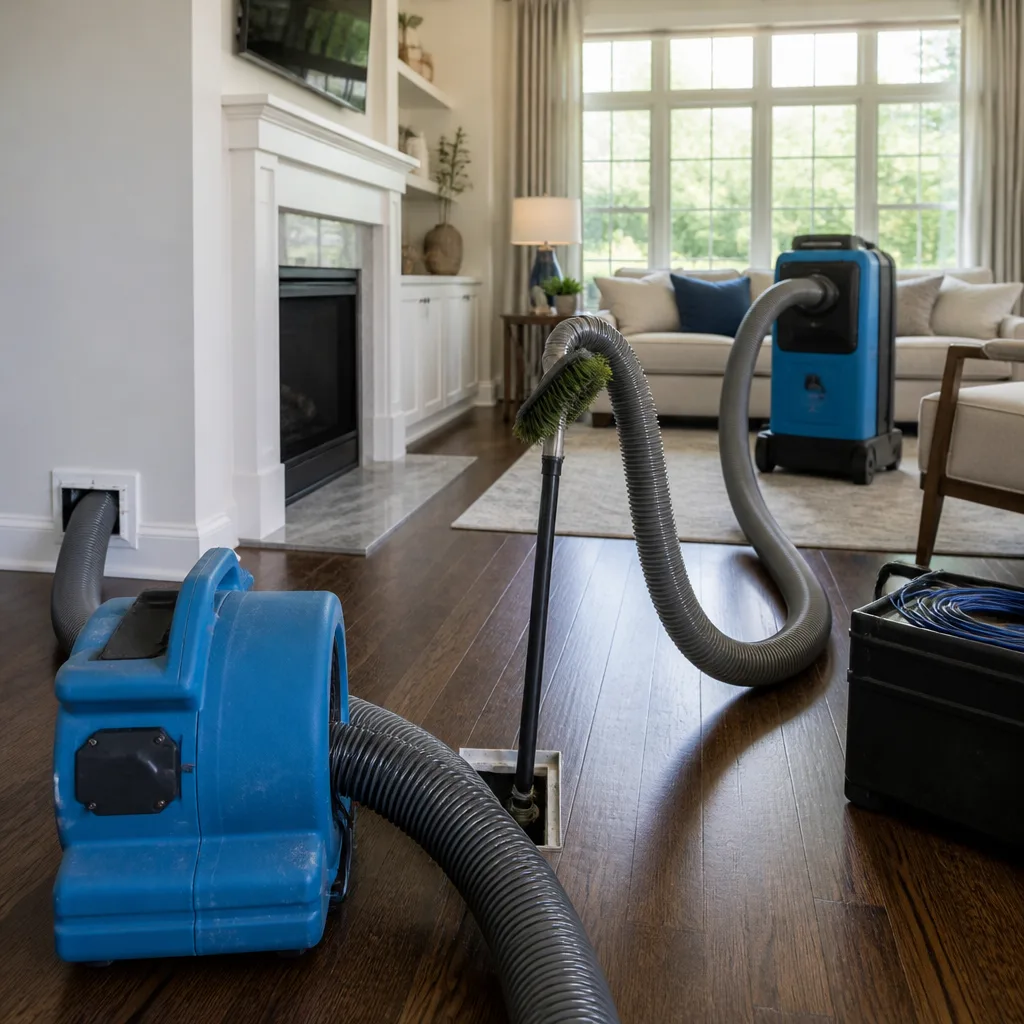 Whole-home duct cleaning
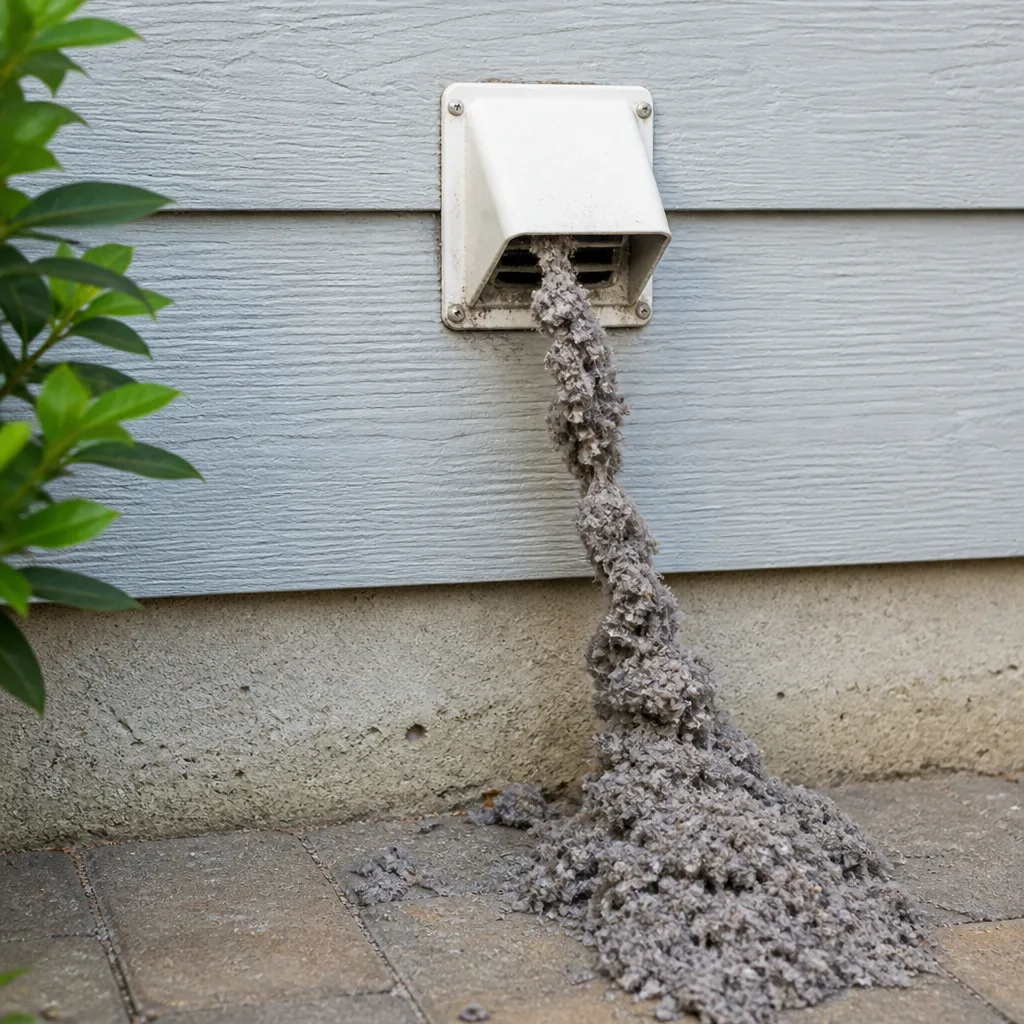 Dryer vent cleaning
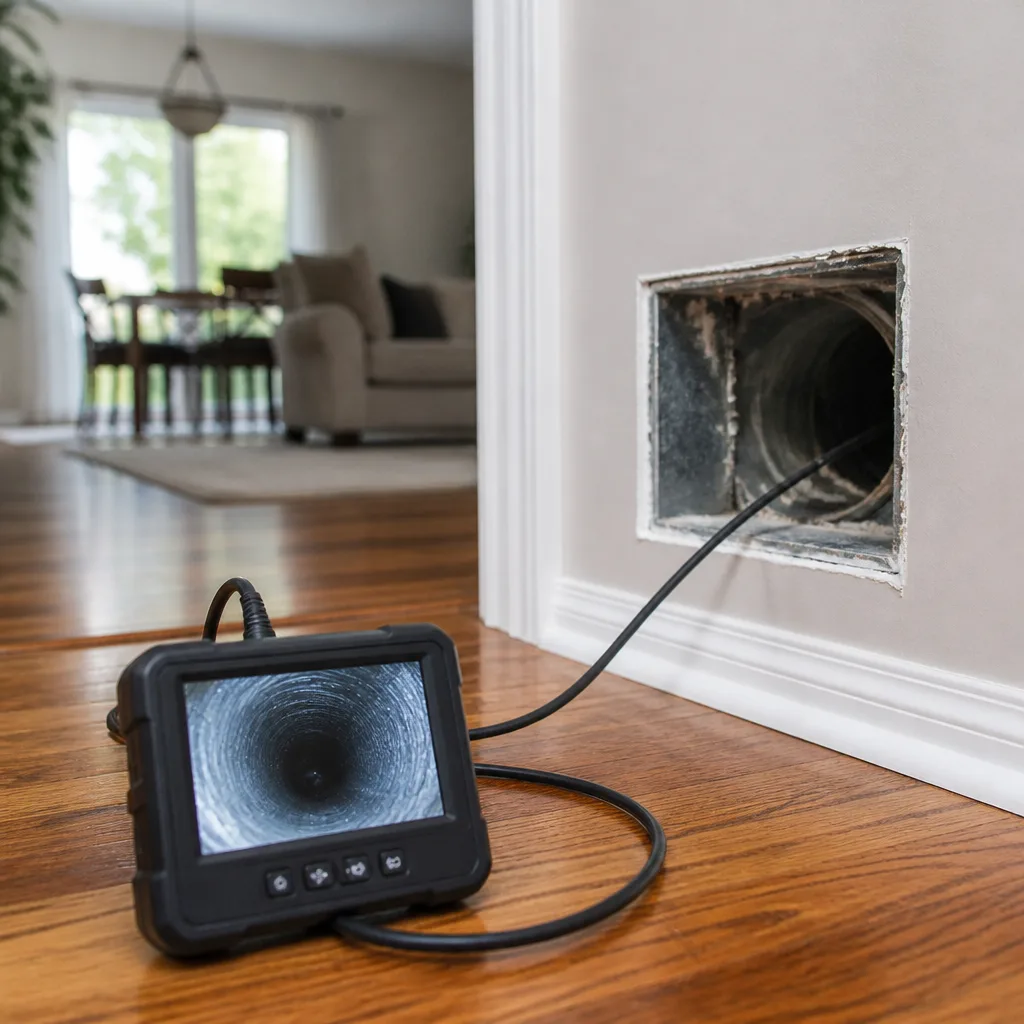 Camera inspection
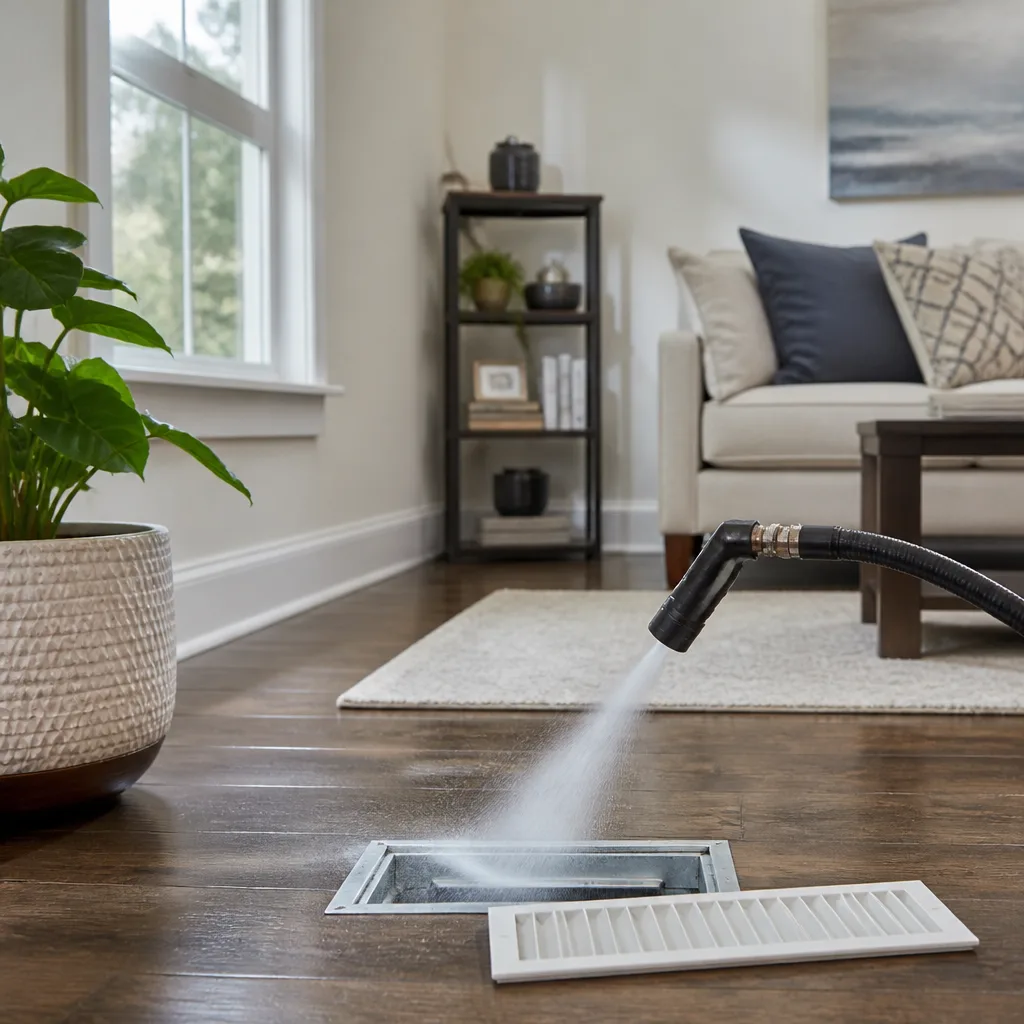 Sanitizing & deodorizing
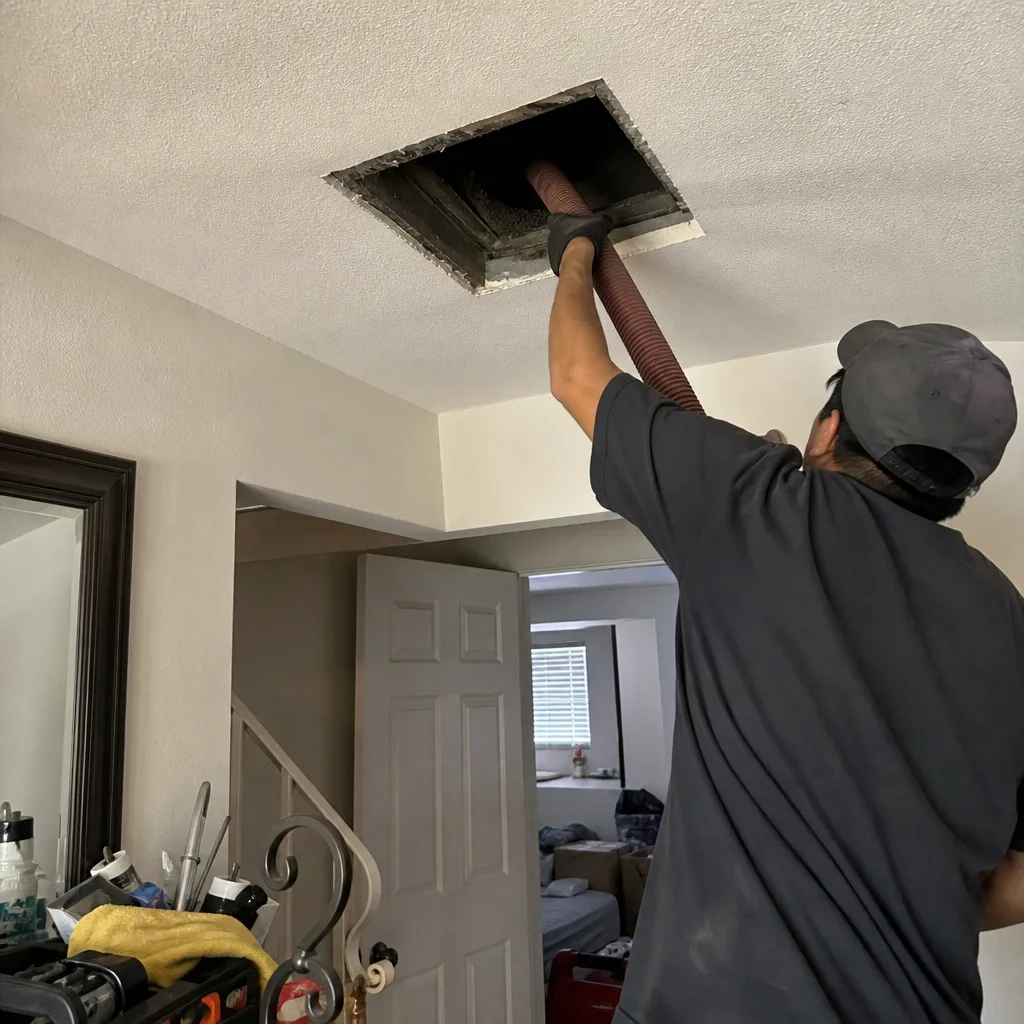
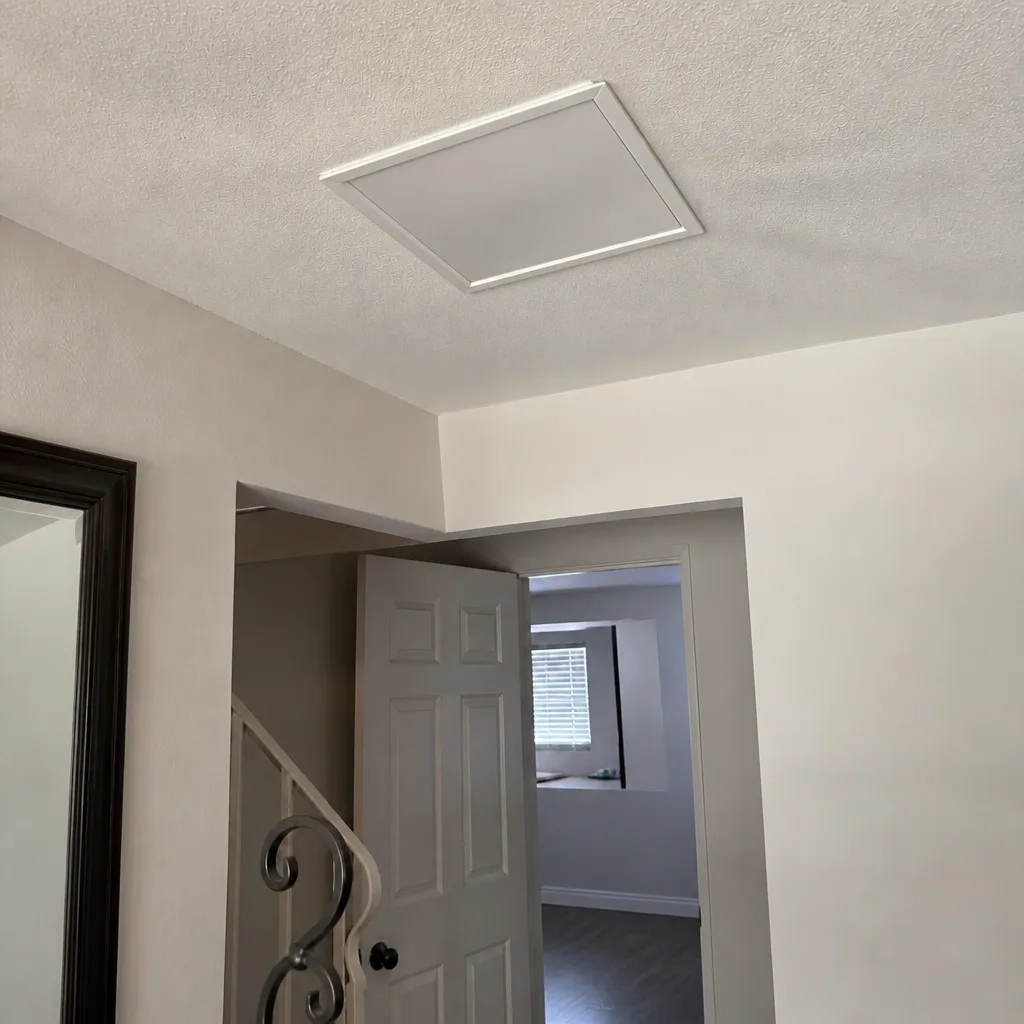
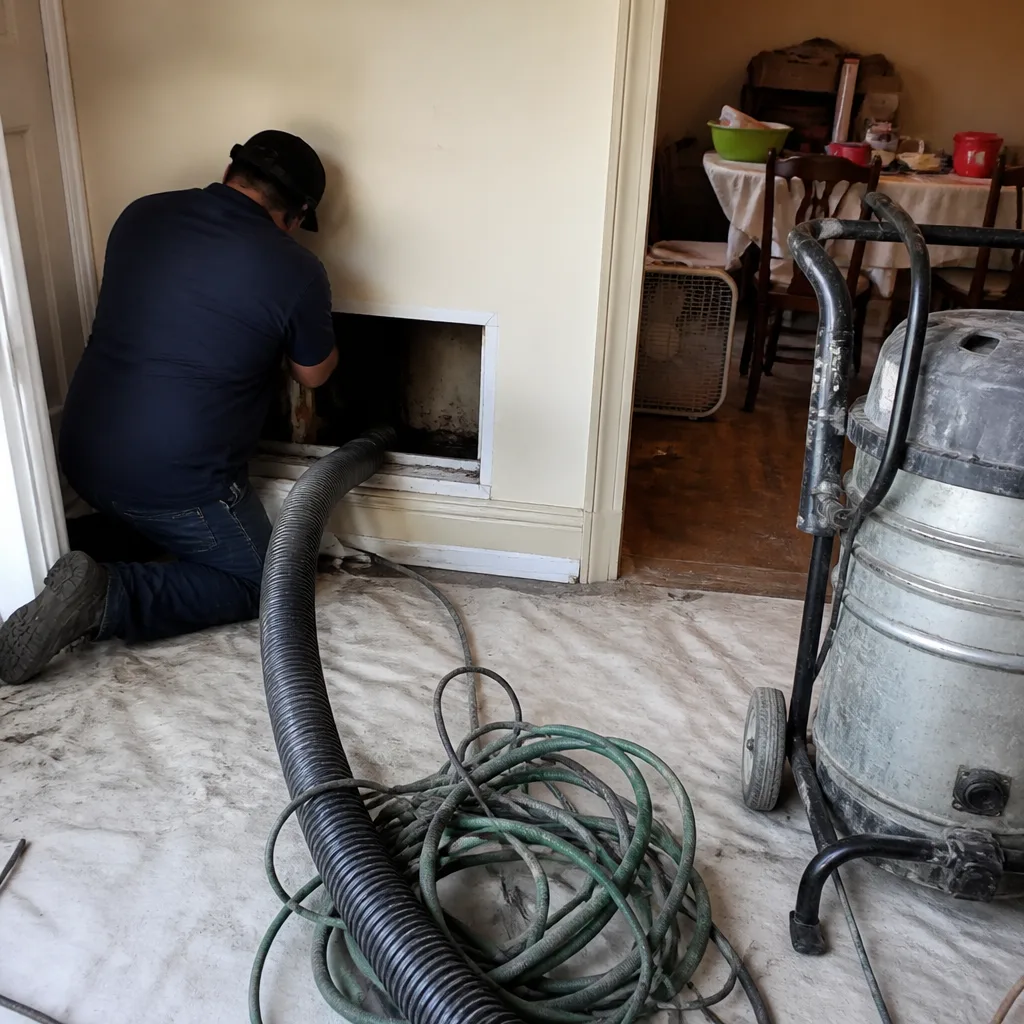
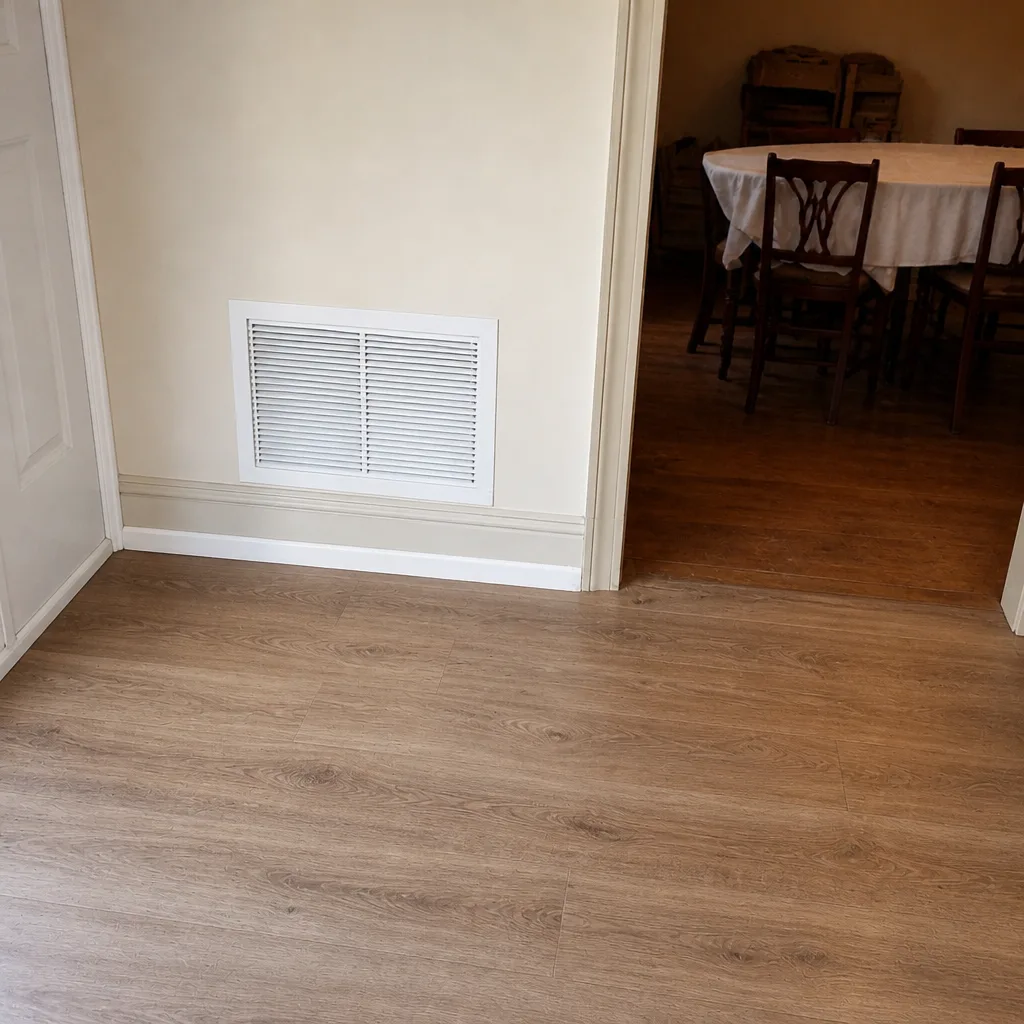
Whole-system duct and dryer vent check with before-and-after photos - you see exactly what came out of your vents
That "$99 whole-house special" is a bait ad - the real number appears once they are in your hallway, or the "clean" is a shop-vac at the register. We photograph the inside of your ducts before and after instead.
The Complete Guide to Air Duct Cleaning in San Clemente
Most guides to duct cleaning treat your ductwork as one long tube that needs a good vacuuming. That’s the wrong mental model, and it’s the reason so many homeowners in San Clemente pay for a cleaning and still have the same dusty registers and musty smell a month later. Your ducts are a connected air pathway: return grilles pull air in, the air handler and coil condition it, the plenum distributes it, and the supply runs deliver it to every room. Contamination collects in patterns that follow that path. In this guide, we’ll walk through how that pathway works, what actually gathers inside San Clemente ducts, what a real full-system cleaning involves, and how to verify the work was done. You’ll finish knowing what to ask for and what to pay for.
Quick Answer
Air duct cleaning in San Clemente means mechanically cleaning the entire air pathway, not just the supply runs: return ducts, the plenum, the air handler cabinet, and the evaporator coil, using professional equipment like Rotobrush and Nikro systems. A proper job follows NADCA source-removal principles, includes before-and-after documentation, and costs a whole-system flat price agreed before work starts. Cleaning the supplies alone leaves the contamination source untouched.
Styles & brands we work with
- Whole-home duct cleaning
- Dryer vent cleaning
- Camera inspection
- Sanitizing & deodorizing
Table of Contents
- How San Clemente’s Microclimate Affects What Builds Up in Your Ducts
- The Anatomy of a Full Air Pathway
- Why Cleaning Only the Supply Runs Is an Incomplete Job
- What NADCA Standards Actually Require
- What a Full-System Cleaning Involves, Step by Step
- How to Read a Post-Cleaning Report
- When Cleaning Alone Isn’t Enough: Sealing and Coil Cleaning
- What Air Duct Cleaning Costs in San Clemente
How San Clemente’s Microclimate Affects What Builds Up in Your Ducts
San Clemente sits where the coastal marine layer meets the canyon country that rises behind town. That transition zone pushes two different debris profiles through the same duct system over the course of a year, and most cleaners show up with one protocol for both.
During the cooler months, the marine layer keeps the air damp and the overnight dew heavy. That moisture doesn’t flood your ducts, but it does soften dust so it clings to duct walls and register grilles instead of blowing through. Damp dust holds odor, which is why a stale, musty smell shows up in winter and spring even when nothing is visibly wrong. Over in the canyon and hillside neighborhoods, the seasonal winds lift fine mineral dust and plant debris off the slopes and drive it into return grilles. That dust is gritty and fast-settling. It lands in the return plenum and the first stretch of return duct, where it becomes a reservoir that the system pulls across the coil every time the fan runs.
So a home in a canyon-adjacent neighborhood often has a heavy, dry sediment load in the returns, while a home closer to the flats tends to accumulate damp, odor-holding dust through the whole pathway. The practical takeaway: what you ask for depends on which pattern is dominant in your home, and a cleaner who never inspects before quoting can’t know. In our experience, the right question isn’t “how much per vent” but “what did you find, and where.”
San Clemente homes also run their systems differently than inland Southern California. Because the marine layer keeps afternoons mild, many households open windows more and run the AC less, which means the system sits idle for stretches and dust settles undisturbed. Then a hot, dry Santa Ana period arrives, the AC runs hard, and all that settled material gets pulled into circulation at once. Homeowners notice the dust bloom and assume the ducts are dirty. They’re right, but the bloom is a symptom. The source is the settled layer in the returns and plenum.
None of this is exotic. It’s the normal consequence of living in a coastal-canyon transition zone. But it does mean a San Clemente cleaning should start with an inspection that maps where contamination collects, not a flat assumption that every home needs identical treatment. If you want the service-specific version of this, our air duct cleaning page covers scheduling and what to expect on the day.
The Anatomy of a Full Air Pathway
Before you can judge a cleaning quote, you need to know what’s actually being cleaned. Your HVAC system moves air through five connected components, and each one collects a different kind of debris. If a provider skips any of them, the job is incomplete no matter how long they spend on the supplies.
- Return ducts and grilles: The entry point. These pull room air back toward the air handler and act as the system’s biggest debris trap. Dust, pet hair, and fine sediment settle here first.
- Plenum box: The large transition chamber where return air meets the air handler and where conditioned air is distributed to the supply runs. It’s a high-volume, low-velocity zone, which is exactly where heavy particles drop out of the airstream.
- Air handler cabinet: The housing that holds the blower and filter. Dust bypasses a poorly fitted filter and coats the inside of the cabinet and the blower wheel.
- Evaporator coil: The finned coil that cools and dehumidifies the air. It’s a wet surface during operation, so it catches dust that becomes a sticky film and eventually a biological growth medium.
- Supply ducts and registers: The delivery runs that carry conditioned air to each room. These often look clean because air is always pushing outward, but contamination from upstream can still settle in the branches.
Notice that the supply runs, the only part many budget services clean, sit at the end of the chain. By the time air reaches them it has already passed the returns, plenum, cabinet, and coil. Cleaning the supplies without cleaning what comes before them is like wiping down a downstream riverbank and ignoring the source upstream.
The correct order matters too. A full-system clean works from the source outward: returns first, then the plenum and cabinet, then the coil, then the supply branches and registers. That sequence ensures loosened debris is captured and removed rather than pushed deeper into the system. In San Clemente, where canyon dust loads the returns heavily, starting at the supplies would just redistribute that load every time the fan kicked on.
Why Cleaning Only the Supply Runs Is an Incomplete Job
Here’s the part most homeowners learn too late: a “duct cleaning” that only touches the supply runs is not a full cleaning. It’s a surface pass on the cleanest part of the system. The contamination source sits in the returns, plenum, and coil, and those are exactly the components that a one-hour, low-price visit typically skips.
Why does this happen? Supply runs are the easiest to reach. A register in each room can be pulled and a hose dropped in with very little setup. Returns, the plenum, and the coil require access panels, negative-pressure containment, and equipment designed for the job. That’s more time, more skill, and more equipment. When a quote is very low, the math usually tells you which approach you’re buying.
The consequence of a supply-only job is predictable. The return reservoir stays loaded. The first time the blower runs hard, dust that had settled is pulled back into circulation. The homeowner sees dust return within days and assumes cleaning “doesn’t work.” It does work; it just wasn’t done. This is the single most common source of complaint we hear from San Clemente homeowners who tried a budget service first.
A complete job, by contrast, touches every component of the pathway:
- Return grilles and return duct runs, from the intake side toward the air handler.
- The return plenum and filter housing, where heavy sediment collects.
- The air handler cabinet and blower wheel.
- The evaporator coil, cleaned in place with the correct coil cleaner.
- The supply plenum and every supply branch, out to the registers.
If a provider can’t describe, in plain terms, how they clean the plenum and coil, that’s a signal the job won’t go deeper than the supplies. Ask before you book. A legitimate full-pathway service will explain the access and equipment involved without hesitation.
What NADCA Standards Actually Require
NADCA, the National Air Duct Cleaners Association, publishes a standard called ACR, which stands for Assessment, Cleaning, and Restoration. It’s the industry benchmark for what a real duct cleaning involves. The gap between what the standard describes and what some San Clemente services deliver is the whole story behind inconsistent results.
At its core, ACR asks for three things, in order. First, assess the system before cleaning, so you know what’s actually there. Second, clean using source-removal methods, meaning contamination is captured and physically removed, not just dislodged. Third, restore the system to a clean, functioning state, which can mean sealing gaps or treating surfaces after cleaning.
Here’s how that compares to common budget practice:
- Assessment: ACR calls for a pre-cleaning inspection. Budget services often skip it and quote from a phone conversation, sight unseen.
- Source removal: ACR requires the contamination to be removed and captured, typically with negative-pressure containment and HEPA filtration. Many budget jobs agitate dust without containment, which spreads it into living space.
- Full-system scope: ACR addresses the whole pathway. Budget jobs usually clean the supplies only.
- Verification: ACR expects documentation. Budget services hand you a receipt, not a record of what was cleaned.
One point homeowners often misread: ACR is a standard of practice, not a law. San Clemente doesn’t inspect your ducts after a cleaning, and no code enforcement officer will check whether the coil was cleaned. The standard is only as good as the provider you hire. That’s why understanding it matters. It gives you a checklist to hold a provider to, and it lets you tell a thorough job from a superficial one before you pay for it.
In our experience, the providers who follow ACR also tend to use equipment built for the job rather than repurposed shop vacuums. Purpose-built systems like Rotobrush and Nikro are designed to agitate, capture, and contain debris in a way a general-purpose vacuum can’t match. That equipment choice is a reliable signal of intent.
What a Full-System Cleaning Involves, Step by Step
Understanding the process lets you watch for shortcuts and know whether you’re getting a real cleaning. Here’s the general sequence a proper full-system job follows, from arrival to walkthrough. The specifics differ by home, but the stages don’t change.
- Inspection and coverage. We inspect registers, the air handler, and accessible ductwork, then protect floors and furnishings before any equipment goes in.
- Access setup. Small, resealable access openings are made as needed at the plenum, trunk, and branch connections. These are sealed up afterward.
- Negative-pressure containment. A containment system pulls the whole duct network under negative pressure while we work, so loosened debris is captured rather than pushed into the rooms.
- Mechanical agitation. Rotobrush and Nikro tools whip and brush the duct walls, breaking loose the bonded dust that a vacuum alone can’t lift.
- Return-side cleaning. Returns and their grilles are cleaned from the intake inward, where San Clemente’s canyon dust loads first.
- Plenum, cabinet, and coil. The plenum, air handler cabinet, and evaporator coil are cleaned. Coil cleaning is a separate, careful step because of the fins and the wet surface.
- Supply-side cleaning. Each supply branch is cleaned out to its register, then all registers are cleaned and reinstalled.
- Sealing and treatment. Gaps found along the way are sealed, and surfaces can be treated as part of a sanitizing step.
- Verification and walkthrough. Before-and-after photos of your own ducts are captured, and we walk you through what was found, what was removed, and what was sealed or treated.
For elevated contamination situations, such as a system with heavy particulate or a mold-adjacent concern, containment and capture are handled with Abatement Technologies equipment built for that job. For households considering a filtration upgrade, Honeywell and Aprilaire products can be installed during the same visit, since the team already has the system open and mapped.
One note on the air handler and coil: these are delicate components, and coil fins bend easily under careless handling. Cleaning them is a job for a trained professional, not a homeowner with a shop vacuum and a brush, especially when the coil is energized or the cabinet holds live wiring. If your system involves electrical panels or gas components, leave that work to a qualified technician.
How to Read a Post-Cleaning Report
A cleaning report is how you confirm the work actually happened. A proper report tells you three things: what was cleaned, what was found, and what was done about problems discovered along the way. If you get a one-line receipt, you have no way to verify depth.
Here’s what to look for in a report you can trust:
- Component-by-component listing. Returns, plenum, air handler cabinet, coil, supply branches, and registers should each be noted as cleaned. If the coil and plenum aren’t on the list, the job wasn’t full-system.
- Before-and-after photos of your own ducts. Not stock images. You should be able to look at the before photo and recognize the access point or register it came from.
- Notes on findings. Loose joints, disconnected runs, pest intrusion, or heavy coil fouling are things a thorough cleaner notices. If none of that appears, either the system was pristine or nobody looked.
- Repairs made or recommended. Duct sealing or a disconnected run identified during cleaning should be recorded, along with whether it was corrected the same visit or recommended for a follow-up.
- Treatment notes. If a sanitizing step was performed, it should be noted, including the product used.
Reading a report also protects you from the opposite problem: paying for depth you didn’t receive. A report that lists only the supply runs, with no mention of returns or the coil, is telling you exactly what was done. The photos should back it up. If someone can’t show you the before-and-after of your own system, treat the depth claim as unconfirmed.
Ask for the report before the technician leaves, and ask questions about anything unclear. A provider confident in the work will walk you through it without hesitation. A provider who can’t explain the findings is telling you something too.
When Cleaning Alone Isn’t Enough: Sealing and Coil Cleaning
Sometimes a cleaning is thorough and the problems still don’t fully resolve. When that happens, the cause is usually not leftover dust. It’s a leak in the pathway or a coil that needs more than a surface pass. Cleaning removes contamination; it doesn’t repair the system that let the contamination in.
Two common situations call for more than cleaning:
- Leaky or disconnected ducts. Gaps at joints, boots, and run connections let unconditioned attic or crawlspace air into the system. That air carries dust, and it also wastes energy. Cleaning removes the dust, but if the gaps stay open, the dust returns. Duct repair and sealing closes those gaps and makes the clean last.
- Fouled evaporator coil. A coil with a sticky, matted film won’t come clean with a light pass. It needs proper coil cleaning, and in bad cases it affects airflow and cooling efficiency. Coil cleaning is part of a full-system job, but if the film is heavy, it deserves focused attention rather than a quick wipe.
We treat Duct Repair & Sealing as the step that completes a cleaning, not an add-on to push. If a disconnected run turns up during the job, correcting it the same visit means the system is left airtight and the cleaning holds. Leaving it for “later” usually means the comfort and air-quality gains fade within weeks.
San Clemente’s seasonal pattern makes this especially relevant. Homes here alternate between idle periods and hard-run hot stretches. Gaps that leak a little during mild months leak more when the system runs at full load during a Santa Ana heat wave. Sealing before that happens keeps the clean air where it belongs. If you want the broader picture across the whole air pathway, our HVAC cleaning page explains how coil and cabinet cleaning fit in.
What Air Duct Cleaning Costs in San Clemente
Air duct cleaning in San Clemente is priced per system, not per vent, and a whole-system job with full-pathway scope is the price you should compare. Expect a flat price agreed in writing before work starts, with returns, plenum, cabinet, coil, and supply runs all included. The written estimate sets the final price, and any add-ons like sealing or treatment are quoted separately.
Here’s the honest structure of the cost:
- Whole-system cleaning: A flat price per system, quoted after an inspection, covering the full pathway. This is the number to compare between quotes.
- Duct repair and sealing: Quoted per job based on how much ductwork needs attention, not a per-foot teaser rate.
- Air sanitizing and treatment: Quoted as part of the cleaning when a treatment step is warranted.
- Filtration upgrades: Honeywell and Aprilaire products are quoted separately if you choose to add one.
Why does this matter? The bait-and-switch reputation in this trade comes from a very low advertised price that grows into a much larger invoice once the technician is on site. A flat whole-system price agreed before work starts removes that. It also gives you an apples-to-apples comparison. A quote for supplies-only and a quote for full-pathway cleaning aren’t the same product, and the lower one usually reflects the smaller scope.
To get an exact quote for your San Clemente home, San Clemente Air Duct Cleaning Pros offers free estimates. Call (866) 371-4884. We answer 24/7. Fast dispatch from 7am to 7pm, Sunday through Friday. Estimates are free, the price is set per job by the written estimate, and you’ll see before-and-after photos of your own ducts before we consider the job done.
Common Mistakes to Avoid
Most disappointing duct cleanings trace back to a few avoidable decisions. Here are the ones we see most often in San Clemente.
- Buying per-vent pricing. Per-vent pricing encourages cleaning only the easy-to-reach supplies and skipping the returns and coil. Ask for a whole-system flat price instead, so the scope is clear before you pay.
- Choosing the lowest quote without asking what it covers. The cheapest quote usually reflects a supplies-only job with no containment and no coil cleaning. Compare scope, not just price.
- Skipping the pre-cleaning inspection. A cleaner who quotes without looking doesn’t know how much contamination your San Clemente home holds or where it sits. The inspection is where a proper quote comes from.
- Ignoring a musty smell after cleaning. A lingering odor usually means the coil or plenum wasn’t cleaned or a leak is pulling in damp air. Don’t accept “the smell will clear up.”
- Letting cleaning happen without containment. Agitating duct dust without negative-pressure containment pushes it into living areas. Ask how debris is captured before any work starts.
- Not asking for photos of your own ducts. Without before-and-after photos of your system, you can’t confirm depth. A stock photo or none at all is a red flag.
- Skipping repair when a gap is found. If a disconnected run turns up, sealing it the same visit makes the clean last. Leaving it means the dust returns.
See the difference
 Before
 After
 Before
 After
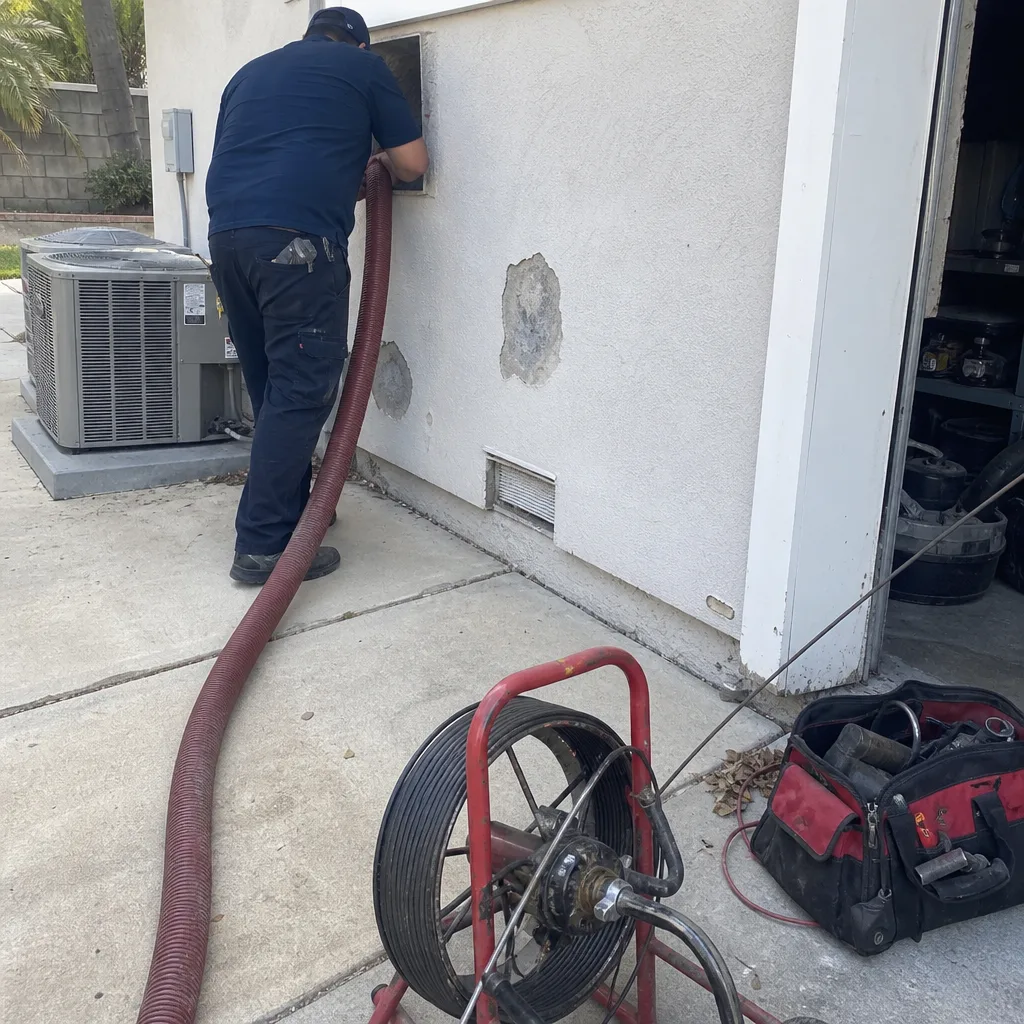 Before
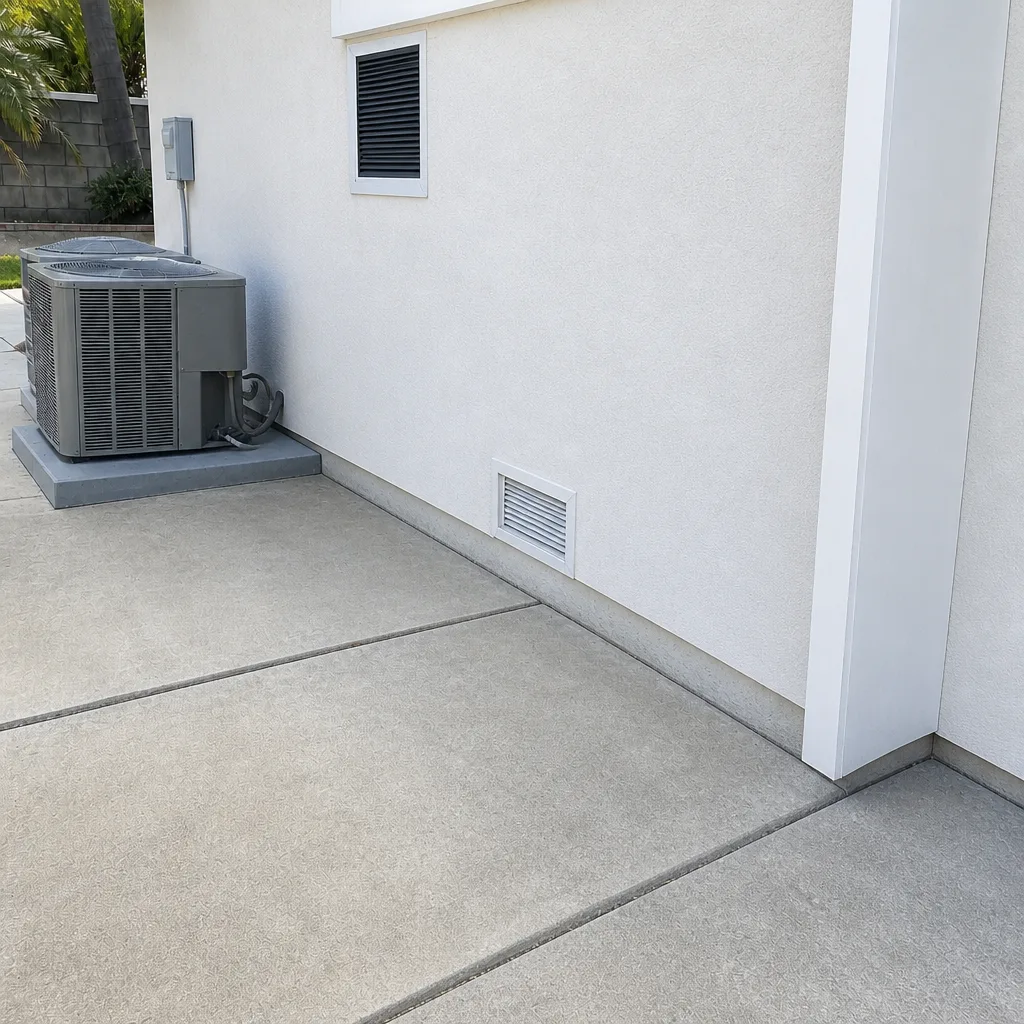 After
When to Call a Professional
Some signs point clearly to a professional cleaning rather than a wait-and-see. If you’ve noticed worsening allergies or respiratory irritation that seems tied to being indoors, dust settling visibly on surfaces days after cleaning, a musty smell when the system runs, or higher energy bills that aren’t explained by usage, it’s time to look at the duct system. Visible mold near a register, or a system that’s never had a full-pathway cleaning, are stronger reasons still. These are signs the source needs attention, and a cleaning is the starting point.
If you’re a landlord or property manager refreshing a unit between tenants, a full-system cleaning resets the air pathway and documents the condition for the next tenant. San Clemente Air Duct Cleaning Pros offers free estimates in San Clemente, and the local professional we connect you with is licensed and insured as the state requires. Call (866) 371-4884. We answer 24/7. Fast dispatch from 7am to 7pm, Sunday through Friday. A call outside dispatch hours is booked into the next opening, Sunday through Friday, 7am to 7pm.
Frequently Asked Questions
It’s a flat price per system, set by a written estimate after an inspection, not a per-vent rate. That price should cover returns, plenum, cabinet, coil, and supply runs, plus before-and-after photos. Call (866) 371-4884 for an exact quote. Estimates are free.
Cheap quotes usually reflect a supplies-only job with no containment and no coil cleaning, so the contamination source stays put. The low price is real; the scope is smaller. Compare what’s included, not just the number. Call (866) 371-4884 to get a full-scope quote for your San Clemente home.
You ask for before-and-after photos of your own ducts and a component-by-component report. The report should list returns, plenum, cabinet, coil, and supply branches as cleaned, with photos you can match to your access points. If a provider can’t show you both, treat the depth claim as unconfirmed. Call (866) 371-4884 to see how a documented job works.
There’s no fixed interval. Frequency depends on your system, your home, and what the inspection finds. Homes in canyon-adjacent San Clemente neighborhoods that pull in heavy seasonal dust may need attention sooner than a tight, well-filtered home. The right call is based on findings, not a calendar. Call (866) 371-4884 for an inspection and a straight answer.
Yes. Duct repair and sealing is handled alongside cleaning, so gaps and disconnected runs found during the job are corrected the same day. That’s what makes the clean last. Call (866) 371-4884 to combine both in one visit.
The full pathway is cleaned, including the evaporator coil, air handler cabinet, and plenum, not just the supply runs. Coil cleaning matters most because it’s a wet surface that traps dust and film. Call (866) 371-4884 to confirm a full-system quote for your home.
Related Services
A clean duct system is one part of a healthy air pathway. Dryer vent lint is a separate fire concern, and our dryer vent cleaning service handles that safety-critical job. If you want the full indoor-air picture, the team behind San Clemente Air Duct Cleaning Pros brings Rotobrush and Nikro systems, Abatement Technologies containment equipment for elevated contamination, and Honeywell and Aprilaire filtration options together in one visit. Guardsman-grade protective treatments are available as part of the sanitizing service. Every service flows from the same idea: clean air starts at the source, and the source is the duct system.
What happens when you call
- 1
A real person answersNo phone trees – you reach a local pro.
- 2
You get an upfront price rangeHonest numbers before anyone is dispatched.
- 3
A background-checked tech heads outLicensed & insured, dispatched right away.
- 4
You approve before work beginsNothing starts until you say go.
The Bottom Line
A real duct cleaning in San Clemente is a full-pathway job: returns, plenum, air handler cabinet, coil, and supply runs, cleaned with containment and verified with before-and-after photos. Cleaning the supplies alone leaves the contamination source in place, which is why so many budget cleanings don’t last. Ask for a flat whole-system price, examine the report, and treat sealing as the step that makes the clean hold. Your ducts are a system, not a tube. Treating them that way is what actually changes the air in your home.
San Clemente Air Duct Cleaning Pros connects homeowners with independent local professionals who clean, repair, seal, and sanitize the entire air pathway using professional-grade equipment. Call (866) 371-4884 for a free estimate. We answer 24/7. Fast dispatch from 7am to 7pm, Sunday through Friday. The written estimate sets the final price, and the work is backed by a satisfaction guarantee.
Written by the team at San Clemente Air Duct Cleaning Pros.