
Last updated November 25, 2026
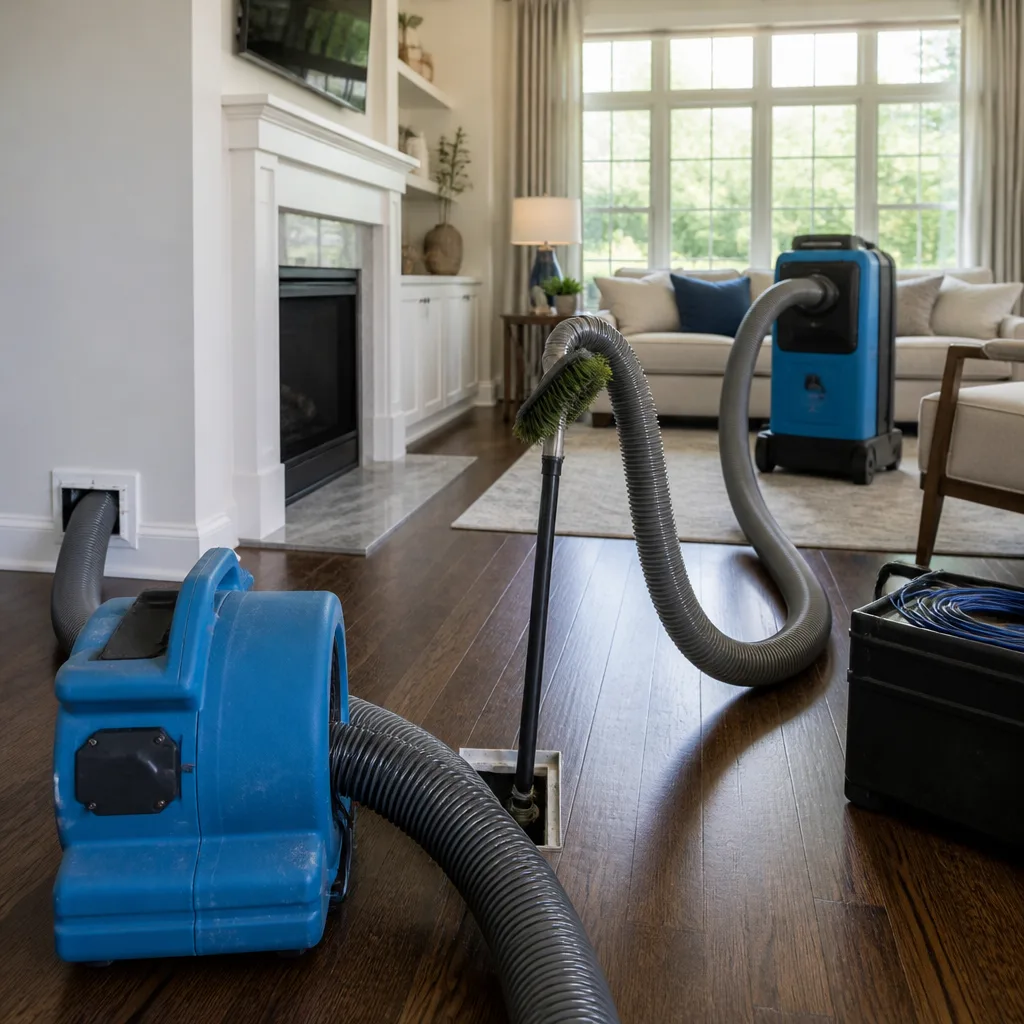 Whole-home duct cleaning
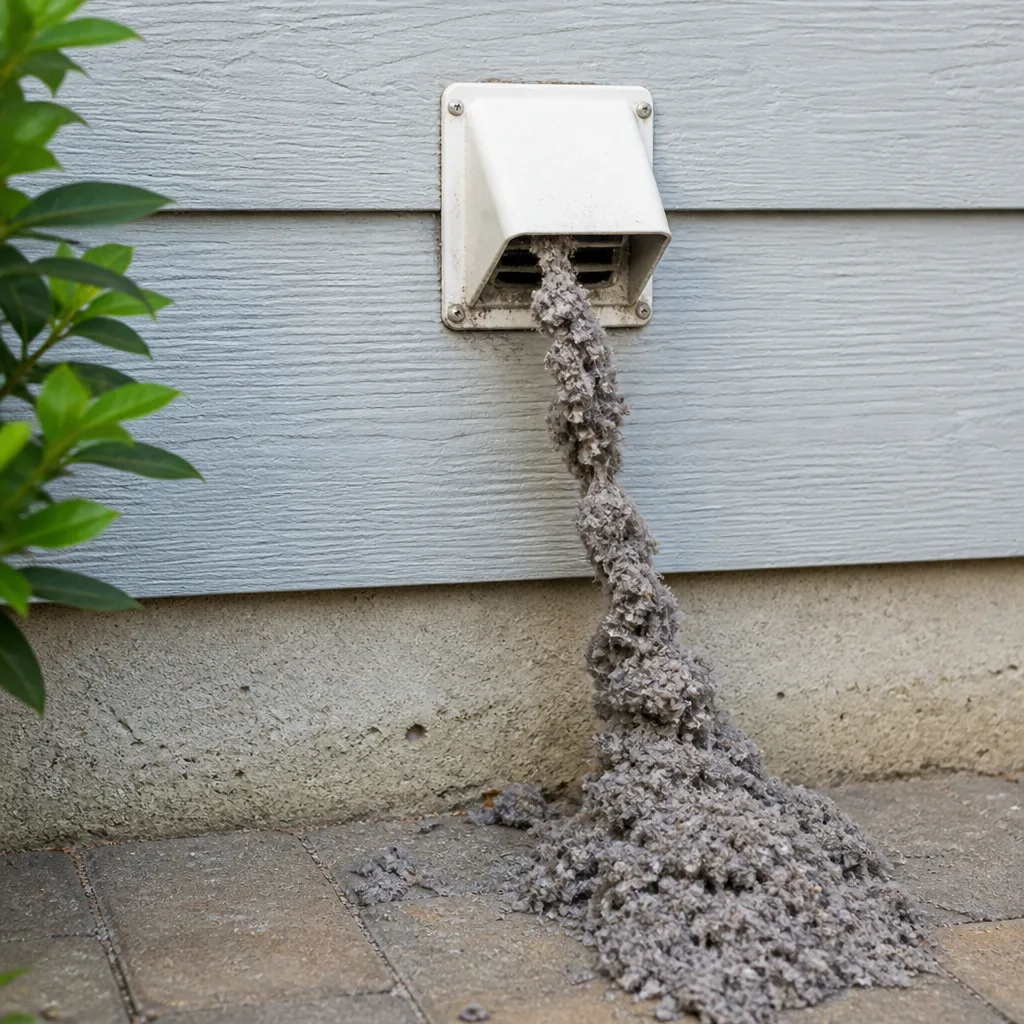 Dryer vent cleaning
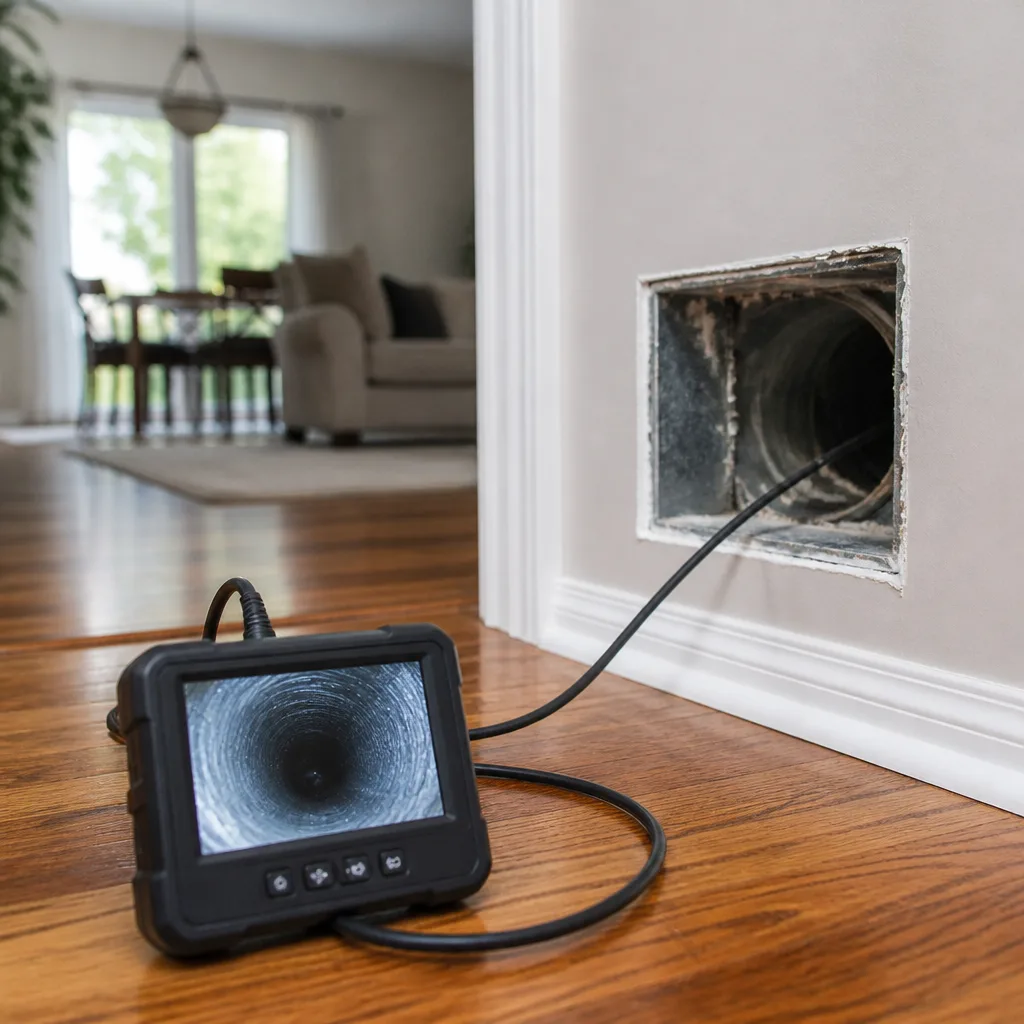 Camera inspection
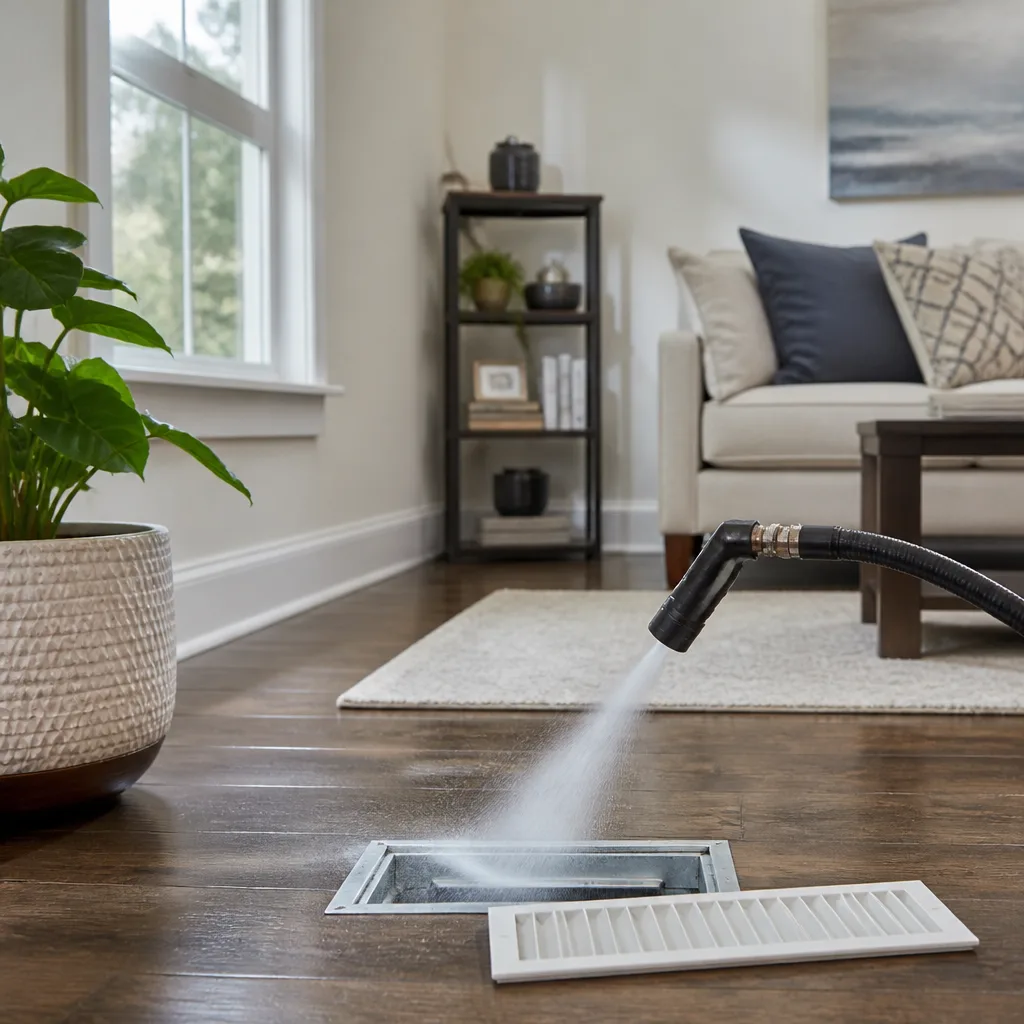 Sanitizing & deodorizing
Whole-system duct and dryer vent check with before-and-after photos - you see exactly what came out of your vents
That "$99 whole-house special" is a bait ad - the real number appears once they are in your hallway, or the "clean" is a shop-vac at the register. We photograph the inside of your ducts before and after instead.
Air Duct Cleaning Maintenance Schedule: What to Do and When
The 3-to-5-year cleaning guideline most people have heard comes from the EPA, and it was written as a floor, not a prescription. It also predates the widespread use of flex duct, which traps debris at a rate rigid metal simply doesn’t. That’s why one San Clemente home can foul its ducts in 18 months while a neighbor’s stay clean for seven years. A useful maintenance schedule is built around the conditions inside a specific house, not a calendar. In this guide we’ll walk through the five factors that compress or extend your interval, what to do between professional cleanings, how to keep a maintenance log that saves you money, and the seasonal timing logic that actually fits San Clemente.
Quick Answer
Most San Clemente homes should have ducts professionally cleaned every 3 to 5 years, but that range shifts based on pets, renovations, allergies, duct material, and how much debris is already visible at the registers. Between cleanings, change filters every 1 to 3 months, vacuum registers monthly, and check for moisture twice a year. Dryer vents need attention every 1 to 2 years regardless of what your ducts look like.
Styles & brands we work with
- Whole-home duct cleaning
- Dryer vent cleaning
- Camera inspection
- Sanitizing & deodorizing
Table of Contents
- The Five Factors That Set Your Cleaning Interval
- What to Do Between Professional Cleanings
- Building a Maintenance Log That Works
- Seasonal Timing for San Clemente
- Components Generic Schedules Leave Out
- Signs It’s Time to Call Before the Schedule Says So
- Common Mistakes to Avoid
- When to Call a Professional
The Five Factors That Set Your Cleaning Interval
Generic advice says clean every three to five years. In practice, we evaluate each home on five variables before suggesting a schedule. Two homes on the same street in San Clemente can land on wildly different intervals once you run the numbers. Here’s what we look at, and how each factor moves the needle.
1. Pet Count
A home with one short-haired cat can usually stay on the 5-year end of the scale. A home with two large double-coated dogs should plan on 2 to 3 years. Pet dander is sticky, and it binds with dust to form a film inside the duct walls that keeps accumulating even after the surface looks clean. Fur also collects on return-air grilles faster than most homeowners realize, which chokes airflow long before the ducts themselves need attention.
2. Renovation Activity
Any project that involves drywall, sanding, or demolition sends fine particulate into the return side of the system within hours. If you’ve remodeled a kitchen, added a bathroom, or replaced flooring in the last 18 months, assume the ducts pulled in more debris than a normal year’s worth of living would produce. Plan a cleaning shortly after the project wraps, not years later. Construction dust is abrasive, and it can wear on blower components over time.
3. Occupant Allergies or Respiratory Conditions
When someone in the home has asthma, seasonal allergies, or a compromised immune system, the calculus changes. You’re not just managing dust; you’re managing the particles that trigger symptoms. We typically suggest the shorter end of the range (2 to 3 years) plus a filtration upgrade. Honeywell and Aprilaire media cabinets can be installed during the same visit as the cleaning, which cuts down on the number of return-air particles between professional services.
4. Duct Material Type
Rigid metal duct with well-sealed joints stays cleaner longer than flex duct. Flex duct has ridges, and those ridges trap dust in a way that smooth metal doesn’t. If your home was built or retrofitted with flex runs, plan on the shorter interval, and consider asking during the cleaning whether a Duct Repair & Sealing visit makes sense to close up leaks and reduce future accumulation. Sealing is the step that makes a clean last.
5. Duct Condition and Prior Maintenance History
A home that’s never had ducts cleaned, or hasn’t in a decade, usually needs a reset clean followed by a shorter first interval before settling into a longer rhythm. Homes with prior professional cleanings and documented maintenance tend to stay clean longer because small issues get caught earlier. If you can’t tell when the last cleaning happened, that’s a signal to schedule one now rather than guess.
What to Do Between Professional Cleanings
Ducts are one part of the air pathway. Filters, registers, and visible surfaces are the other parts, and they’re the ones you can manage yourself. The tasks below take less than 15 minutes a month combined and meaningfully extend your cleaning interval.
Filter Grade and Change Frequency
Change your filter every 1 to 3 months. The exact cadence depends on pets, dust, and how often the system runs. In San Clemente, cooling season runs long enough that a filter can load up faster than a homeowner expects. Use a MERV 8 to MERV 11 filter for most homes. Higher MERV catches more, but the system’s blower has to work harder to pull air through, so very high ratings on an older system can do more harm than good. Ask during your cleaning visit what your specific system can handle.
Register and Return-Grille Vacuuming
Once a month, run a vacuum brush attachment over each supply register and return grille. This takes about 2 minutes per register and removes the surface layer of dust before it gets pulled deeper into the duct run. Be gentle. Don’t force the brush past the grille into the duct; you’ll only push debris further in.
Visual Moisture Checks
Twice a year, look into each return grille with a flashlight. You’re checking for condensation, water staining, or dark spots that suggest moisture is collecting somewhere in the system. San Clemente’s mild climate doesn’t drive the extreme humidity swings that other regions see, but a leaky duct in a crawl space or wall cavity can still create the conditions for microbial growth. If you see anything wet or stained, stop and call. Moisture in ducts is a same-week problem, not a next-year problem.
Outdoor Condenser and Air Handler Area
Once a month during cooling season, clear leaves and debris from around the outdoor unit and check that the air handler closet isn’t storing boxes against the unit. Restricted airflow at either end forces the system to work harder and can pull more dust through the return side. A quick visual check is enough.
Building a Maintenance Log That Works
A written maintenance log does two things. It makes the next technician’s inspection faster, and it gives you a paper trail if a warranty claim ever comes up. Most homeowners skip this step, then can’t remember when the last cleaning happened or which contractor did it.
Keep it simple. A notebook, a spreadsheet, or a shared digital note all work. What matters is that the log holds these fields:
- Date of service – the day the work was done, plus the invoice number.
- Contractor name and contact – including the phone number you called.
- Services performed – cleaning, dryer vent, HVAC, repair, sealing, sanitizing. Be specific.
- Findings and photos – what the technician noted and whether before/after photos were provided.
- Recommendations – what the technician suggested next, and when.
- Filter change dates – a running list. This is the field most homeowners forget, and it’s the one that matters most for the interval between professional cleanings.
When we perform a cleaning, we provide before/after photos of the same runs. Save them in the log with the date. If you ever sell the house, that documentation is worth more than a verbal claim that the system was maintained. If you switch contractors, the next technician can see exactly what was done and when, which saves diagnostic time and prevents duplicate work.
Seasonal Timing for San Clemente
The single most useful timing rule for San Clemente homes is this: schedule your duct cleaning before June Gloom ends, not after. Here’s why. Late spring and early summer bring the marine layer, and homes stay closed up with the system running. If your ducts have accumulated dust, dander, or moisture over the previous year, that trapped layer stays in contact with the cooler, more humid indoor air through the gloom weeks. Cleaning in late spring removes the accumulated debris before that window, reducing the mold risk in the ducts themselves.
Once June Gloom breaks and the drier, warmer inland air settles in, the system dries out, and the conditions that favor microbial growth ease. A cleaning done in May or early June lets you start the dry season with a clean system instead of a loaded one.
A Practical Seasonal Calendar
- Late spring (April-May): Professional duct cleaning if it’s your scheduled year. Also a good time for HVAC cleaning and coil inspection before heavy cooling season.
- Early summer (June): Final filter replacement before peak cooling. Register vacuuming.
- Mid-summer (July-August): Monthly filter checks. Clear debris from the outdoor unit. Visual moisture checks on returns.
- Fall (September-October): Dryer vent cleaning – schedule it before the cooler, more closed-up months. Verify ducts are still clean from the spring.
- Winter (November-February): Filter changes every 1 to 3 months. Visual checks. San Clemente winters are mild, so the system runs less, but indoor air stays closed up more than in summer.
- Late winter (March): Good window for air sanitizing if you want to start spring with a treated system.
Dryer vent cleaning is a separate schedule and shouldn’t be lumped into the duct cleaning cycle. Plan on every 1 to 2 years depending on laundry volume. If any part of your home’s air pathway hasn’t been touched in a while, that’s the right first call.
Components Generic Schedules Leave Out
Most “how often should ducts be cleaned” advice stops at the supply and return runs. Three components get left out, and each has its own maintenance rhythm.
Dryer Vents
Dryer vents are a fire risk component, not a comfort component. Lint accumulates faster than duct dust, and a restricted vent forces the dryer to run longer and hotter. Plan on every 1 to 2 years for typical households, more often with heavy laundry volume or a long vent run. This is one of the five services we handle as part of a full air-pathway visit, so it can typically be scheduled alongside a duct cleaning.
Bathroom Exhaust Ducts
Bathroom exhaust ducts carry moisture out of the home. If they terminate in the attic instead of outside, or if the duct is disconnected, moisture gets dumped into unconditioned space. Check the outdoor termination point once a year to confirm airflow, and have the duct inspected during a professional cleaning. Restricted bath exhaust ducts are one of the most common causes of attic moisture problems we find in San Clemente homes.
ERV and HRV Cores
Energy recovery ventilators and heat recovery ventilators have their own filters and cores, and they share ductwork with the main system in many installations. Their cores need cleaning on a manufacturer-specified interval, usually longer than the duct cleaning cycle but shorter than most homeowners assume. Ask during your cleaning visit whether your system has an ERV or HRV and what the recommended core cleaning cadence is.
Signs It’s Time to Call Before the Schedule Says So
The schedule is a guide. These signs override it. If you notice any of them, schedule an inspection rather than waiting for the calendar year to roll around.
- Visible dust blowing from registers shortly after the system starts. Dust puffing out on startup means the ducts have more debris than the airstream can carry cleanly.
- Musty or stale odor when the system runs. This is the most reliable early signal of moisture in the system.
- Worsening allergy symptoms that track with time spent in the home, especially in the bedroom where most exposure happens.
- Unexplained rise in energy bills without a change in usage. Restricted airflow from dust loading forces the system to run longer to reach the same setpoint.
- Recent renovation that involved sanding, drywall, or flooring replacement. Debris from these projects gets pulled into the return side quickly.
- New pet or an increase in shedding. The interval that worked before may no longer fit.
- Water staining or discoloration around a register or return. This is a same-week call, not a wait-and-see.
An inspection takes less than an hour and answers the question directly. If you’re in San Clemente and something on this list looks familiar, schedule a check rather than guessing at the interval.
Common Mistakes to Avoid
- Treating 3 to 5 years as a rule. That range is a starting point, not a prescription. A home with three dogs and a recent remodel should clean closer to 18 months, and a home with no pets and clean ducts can stretch to seven years without issue.
- Skipping the dryer vent because the ducts look clean. Dryer vents are a fire-safety component with their own schedule. Clean ducts don’t mean a clean dryer vent, and the vent is the one most homeowners neglect longest.
- Using the highest MERV filter available. Very high MERV ratings can restrict airflow on older systems and force the blower to work harder. A MERV 8 to 11 filter is the right choice for most San Clemente homes unless the system is rated for more.
- Vacuuming registers only on the surface. A quick pass with a brush attachment is useful. Forcing a vacuum nozzle into the duct itself pushes debris deeper and does nothing to clean the runs.
- Ignoring the maintenance log. Without written records, the next technician can’t see what was done or when, which slows inspection and can lead to duplicate work. A few minutes now saves diagnostic time later.
- Scheduling the cleaning after June Gloom rather than before. Cleaning in late spring removes accumulated debris before the marine layer settles in. Cleaning in late summer means you spent the previous weeks with the trapped layer in the ducts.
- Skipping the duct inspection because nothing looks wrong. Some of the worst contamination scenarios show no visible sign at the registers. A visual check inside the first return tells you more than a look at the exterior grille.
When to Call a Professional
Call a technician if you see water staining around a register or return, hear the system running louder or shorter than usual, or notice a musty smell when the air comes on. Call if you’ve had a recent renovation and the registers have been puffing dust since. Call if you’ve never had the ducts inspected and you don’t know when the last cleaning happened. Call if anyone in the home has developed symptoms that track with the indoor environment. And call if it’s simply been long enough that you’ve lost track.
San Clemente Air Duct Cleaning Pros offers free estimates in San Clemente. Call (866) 371-4884. We answer 24/7. Fast dispatch from 7am to 7pm, Sunday through Friday. The estimate is free, and the price is set per job by the written estimate before any work begins. A technician will confirm what’s actually in the ducts, walk through the five conditioning factors for your home, and give you a written schedule recommendation based on what’s there, not on a calendar.
See the difference
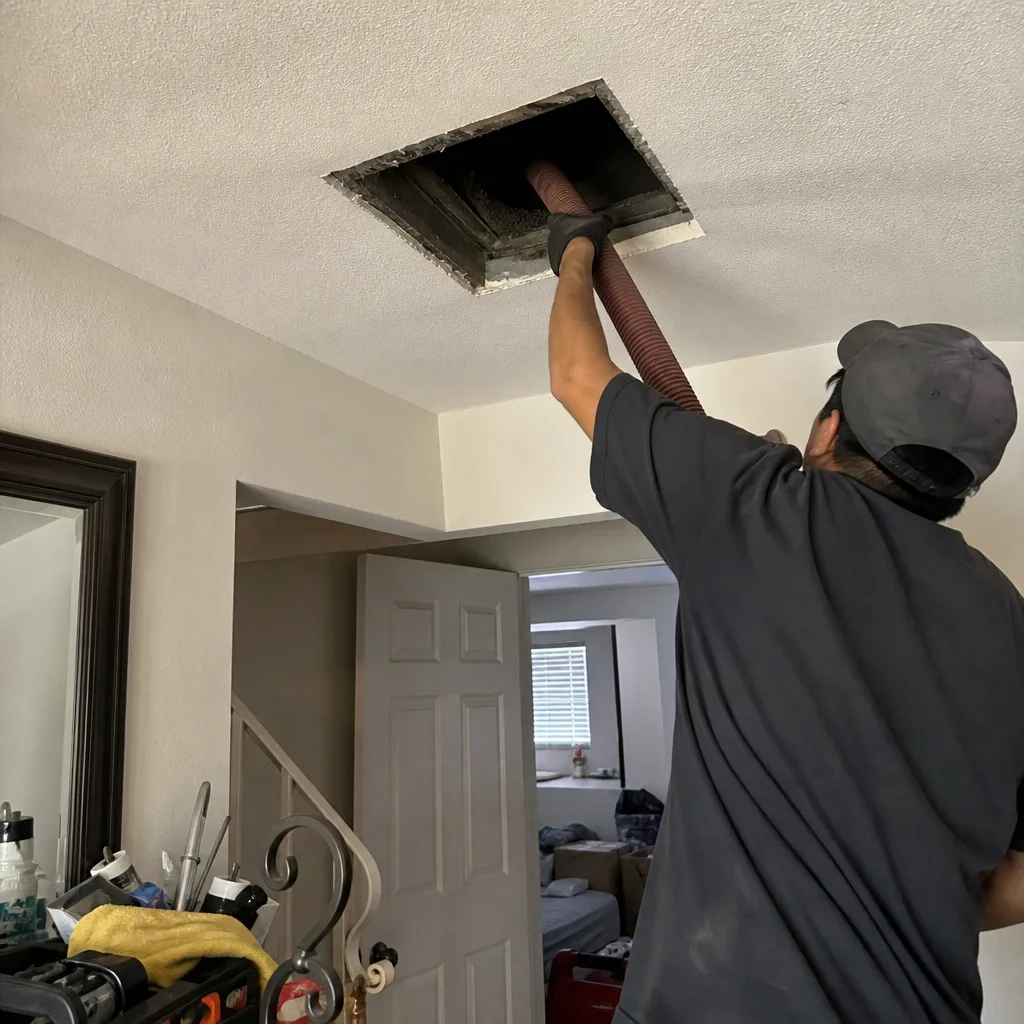 Before
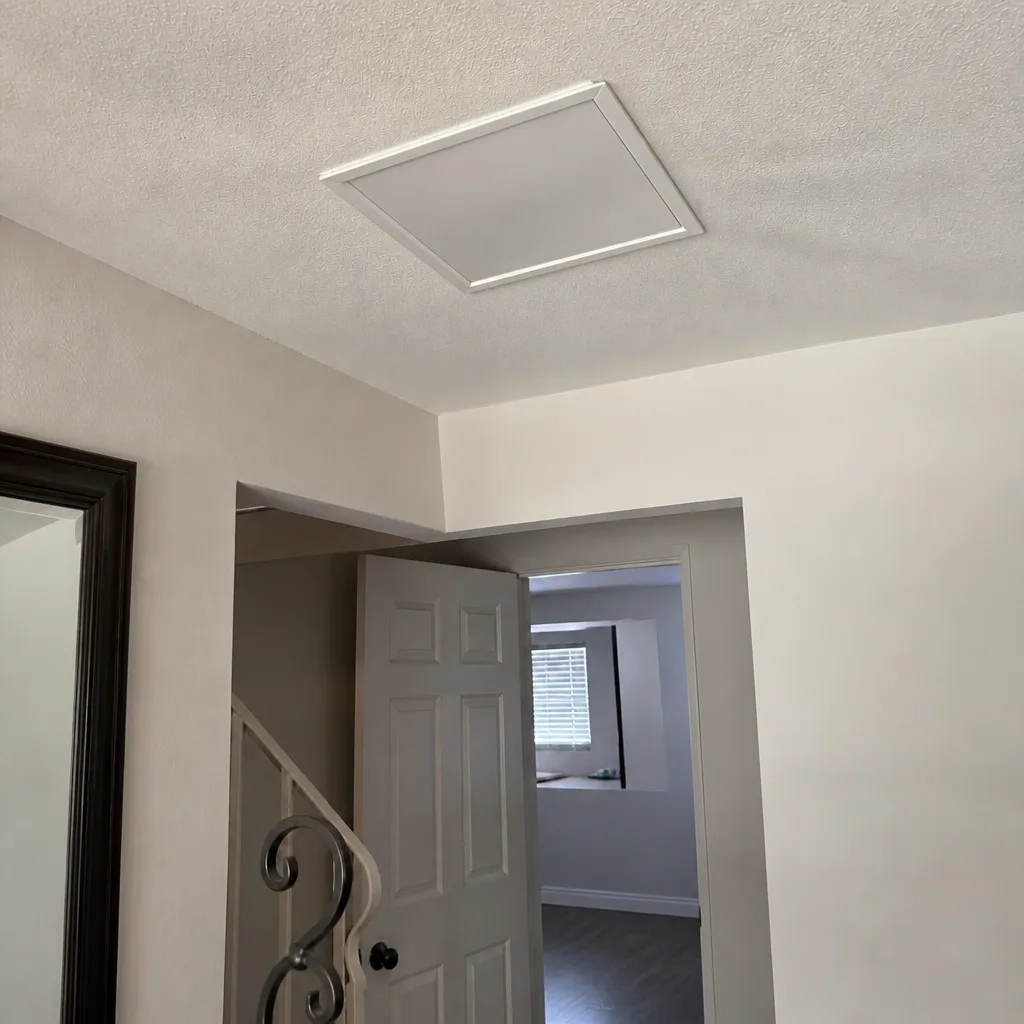 After
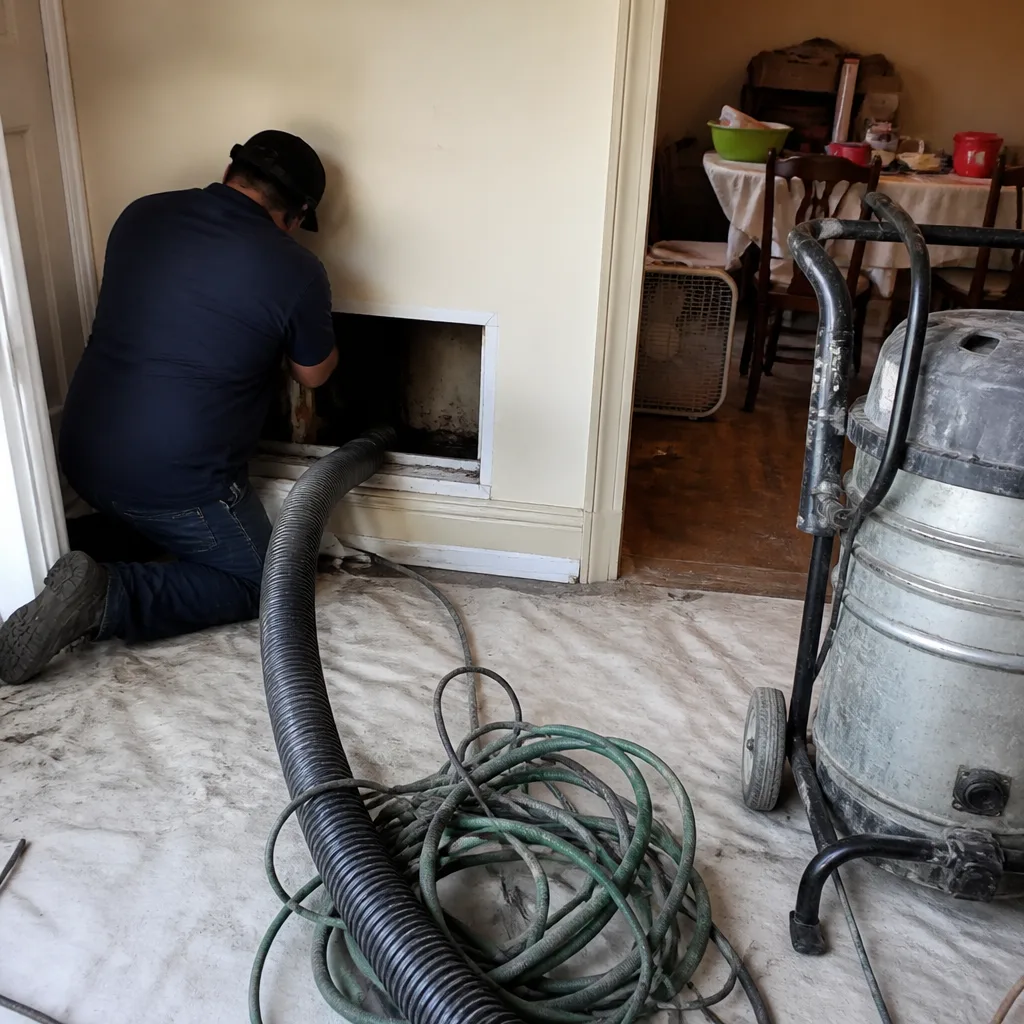 Before
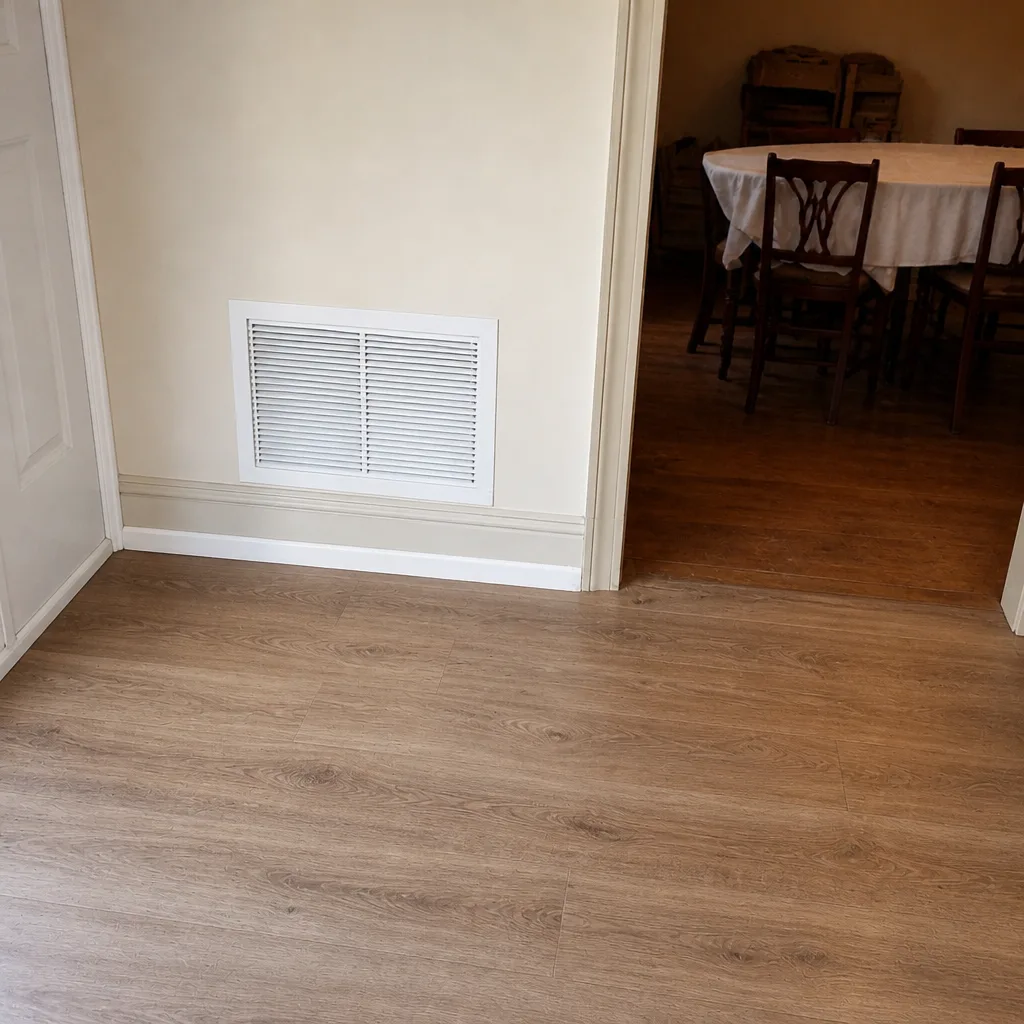 After
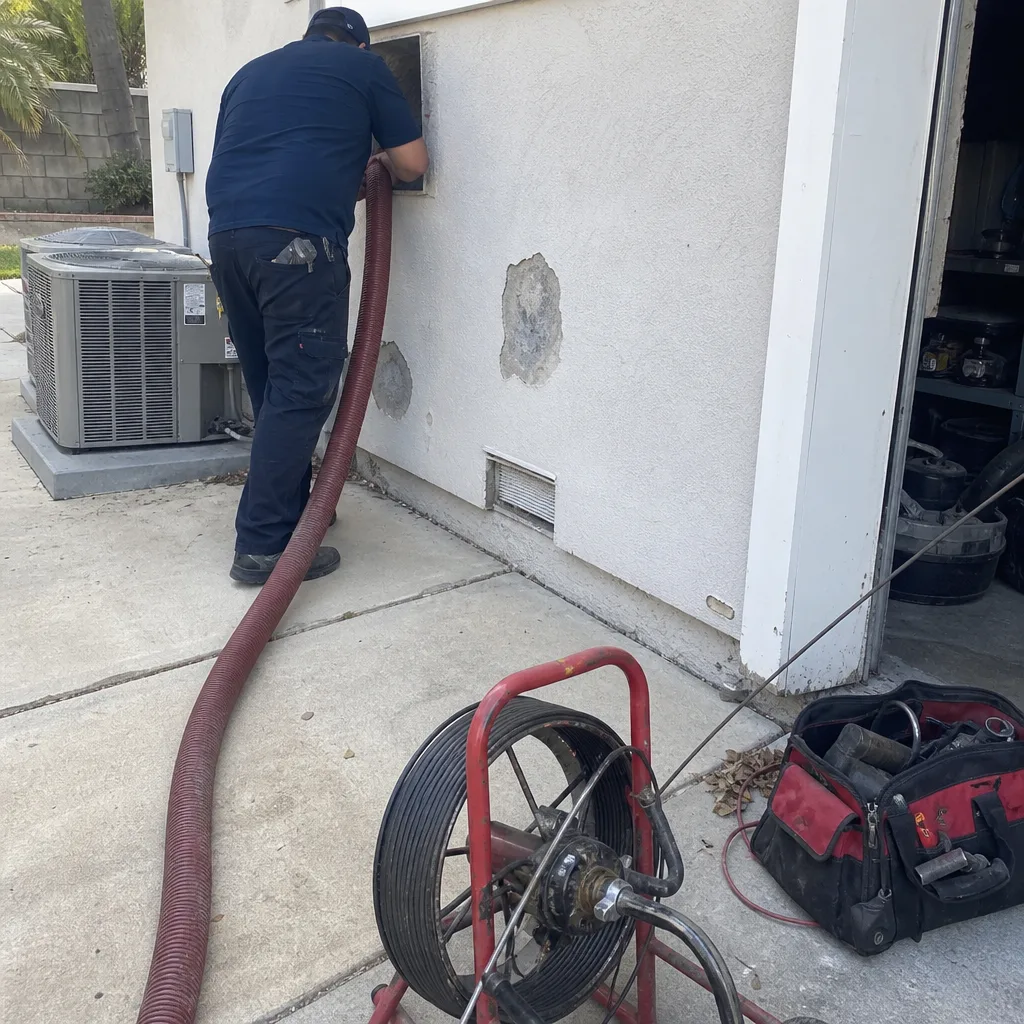 Before
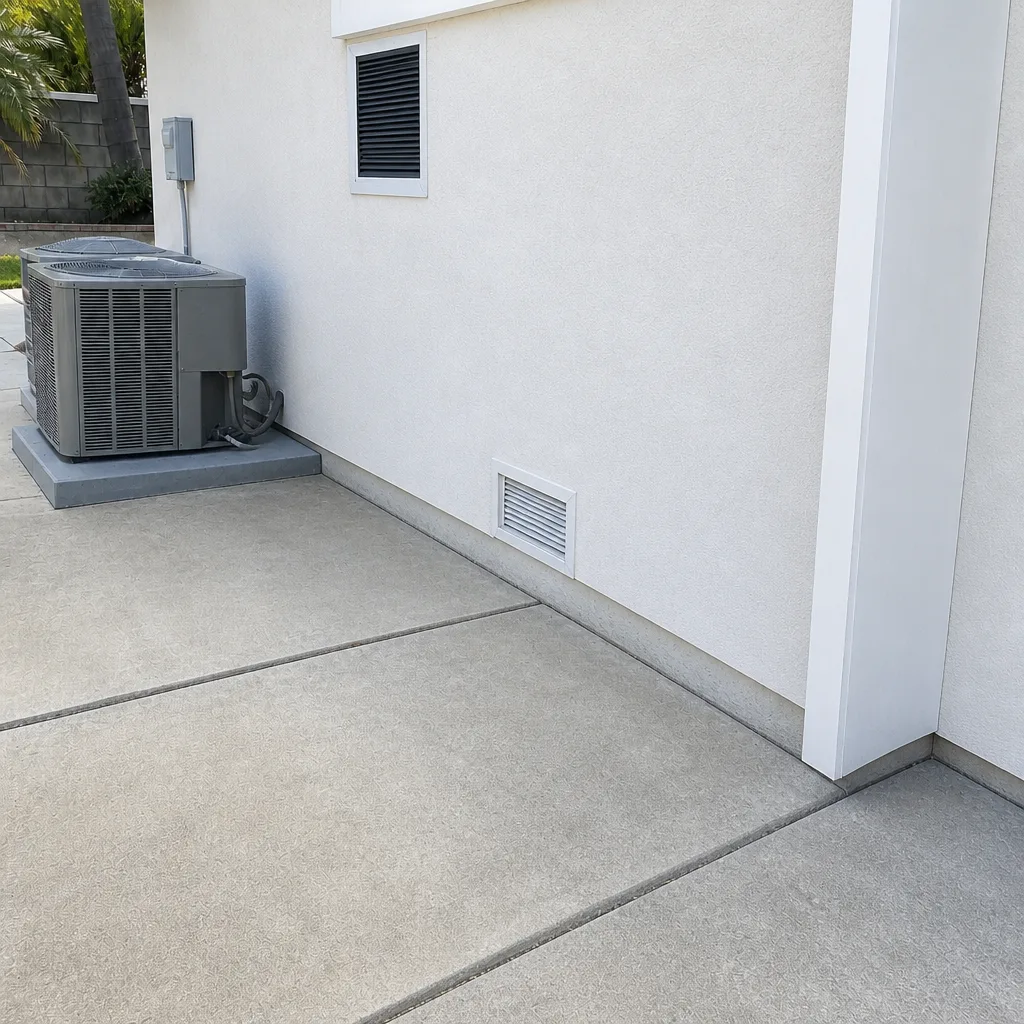 After
Frequently Asked Questions
Most San Clemente homes should have ducts cleaned every 3 to 5 years, but that range shifts based on pets, renovations, allergies, duct material, and current duct condition. Homes with multiple pets or recent remodels sometimes need cleaning every 2 to 3 years. Homes with no pets and clean rigid duct often stay clean for 5 to 7 years. Call (866) 371-4884 for an estimate that factors in your specific home.
It’s a starting point, not a prescription. The EPA range predates widespread flex duct use and was never intended to fit every home equally. Use it as an anchor, then adjust based on the five factors in this guide. If you’re not sure where your home lands, an inspection answers the question directly. Call (866) 371-4884 for a free estimate.
Every 1 to 2 years for typical households, more often with heavy laundry volume or a long vent run. Dryer vent cleaning is a separate service from duct cleaning, and the dryer vent schedule shouldn’t depend on the duct schedule. This is one of the most commonly neglected parts of the air pathway. Call (866) 371-4884 to schedule both together.
MERV 8 to MERV 11 works for most homes. Higher MERV ratings do catch more particles, but they can restrict airflow on older systems and force the blower to work harder. If you’re not sure what your system is rated for, ask during your cleaning visit. During that visit we can recommend and install Honeywell or Aprilaire filtration upgrades if a change makes sense for your setup. Call (866) 371-4884 for an estimate.
Because late spring cleaning removes accumulated debris before the marine layer keeps the house closed up with the system running through the gloom weeks. Cleaning after the gloom weeks means those weeks were spent with the trapped layer in contact with the cooler, more humid indoor air, which extends the mold risk window. Late spring cleaning starts the drier season with a clean system. Call (866) 371-4884 to schedule before the gloom settles in.
Duct cleaning addresses the supply and return runs. HVAC cleaning addresses the air handler, blower, coil, and related components in the mechanical system itself. Both matter, and both can be performed together in a single visit. A home that needs one usually needs a look at the other, since contamination migrates between the two. Learn more about HVAC cleaning or call (866) 371-4884 for a combined estimate.
Yes, and often it does. Cleaning sometimes reveals disconnected flex runs, loose joints, or damaged sections that were causing the accumulation in the first place. When that happens, a Duct Repair & Sealing visit can correct the problem in the same day rather than as a separate project. This is the advantage of working with a team that handles all five service categories under one roof. Call (866) 371-4884 for a free estimate that includes a repair assessment.
Mild climate means less extreme humidity cycling than other regions, but the marine layer still defines the seasonal window. Schedule cleaning before June Gloom ends rather than after. Dryer vent and bathroom exhaust duct attention may still need to be on a shorter rhythm than duct cleaning, regardless of the climate. Call (866) 371-4884 to review your specific home’s conditions.
The Bottom Line
A cleaning every 3 to 5 years is a starting point, not a finished plan. The interval that fits a specific San Clemente home depends on pets, renovations, occupant health, duct material, and current duct condition. Between cleanings, filter changes and register vacuuming do most of the work, and a written maintenance log makes every future visit faster and better documented. Schedule your cleaning before June Gloom ends rather than after, keep dryer vents and bathroom exhaust ducts on their own rhythm, and treat moisture in the system as a same-week call rather than a wait-and-see.
San Clemente Air Duct Cleaning Pros handles duct cleaning, dryer vent cleaning, HVAC cleaning, duct repair and sealing, and air quality and sanitizing as a full air-pathway service. Our technicians have up to 10 years of experience, and we use Rotobrush and Nikro systems on every job. Learn more about San Clemente Air Duct Cleaning Pros, read up on air duct cleaning, or schedule a dryer vent cleaning alongside your duct work.
Call (866) 371-4884 for a free estimate. We answer 24/7. Fast dispatch from 7am to 7pm, Sunday through Friday.
Written by the team at San Clemente Air Duct Cleaning Pros.