
Last updated November 25, 2026
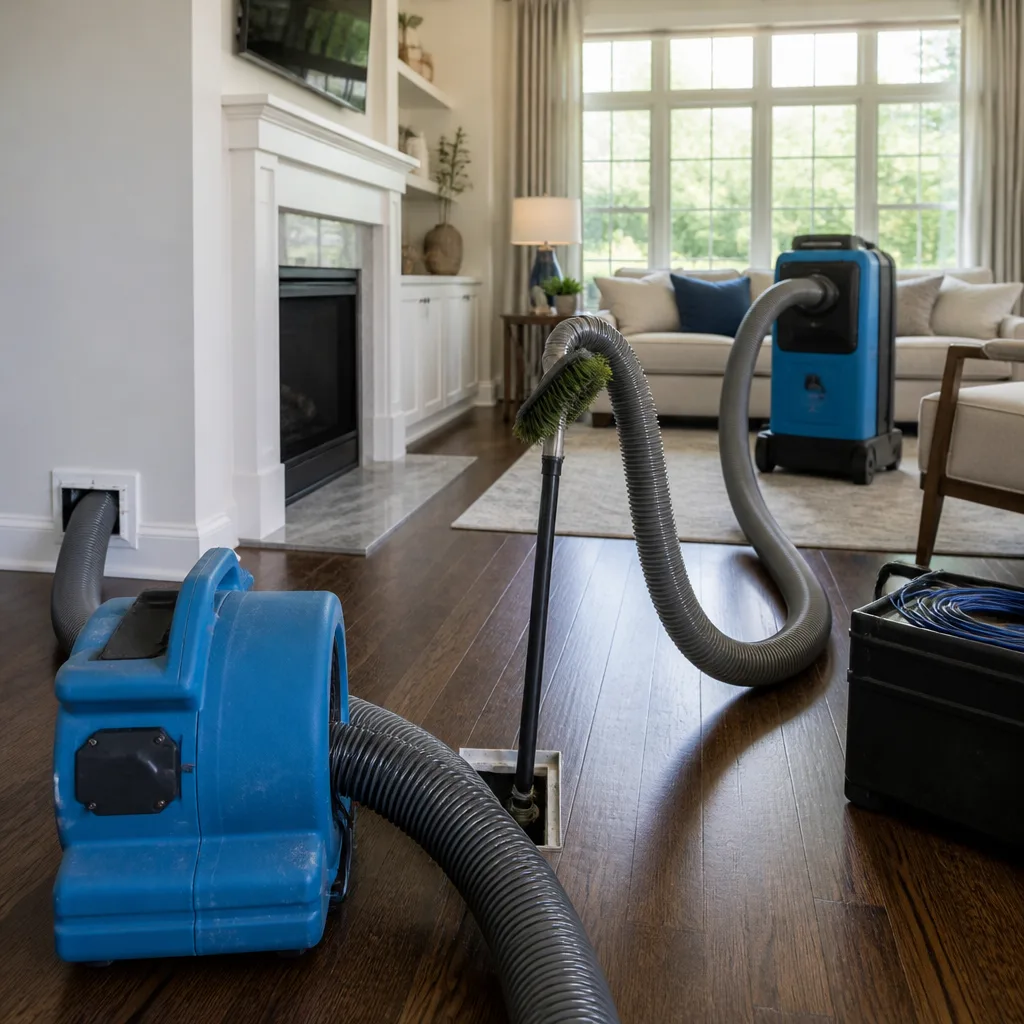 Whole-home duct cleaning
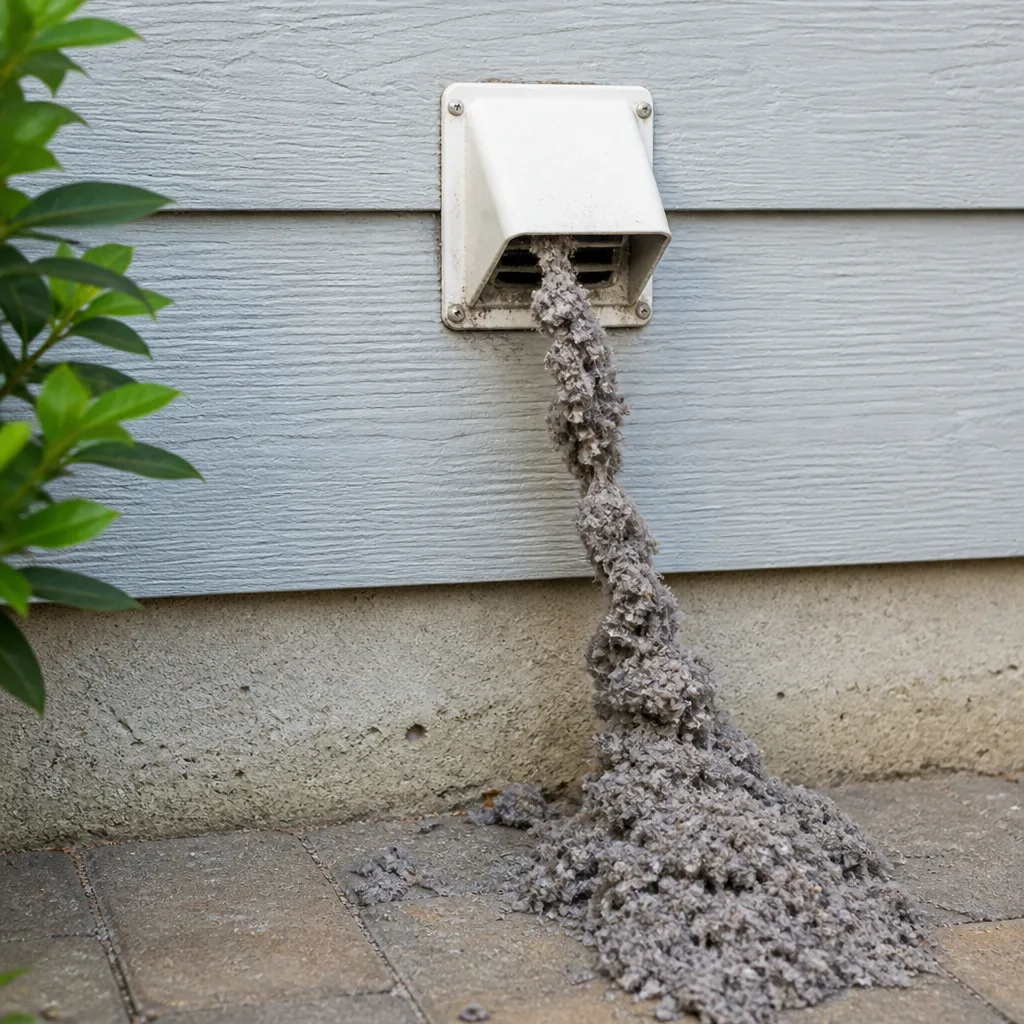 Dryer vent cleaning
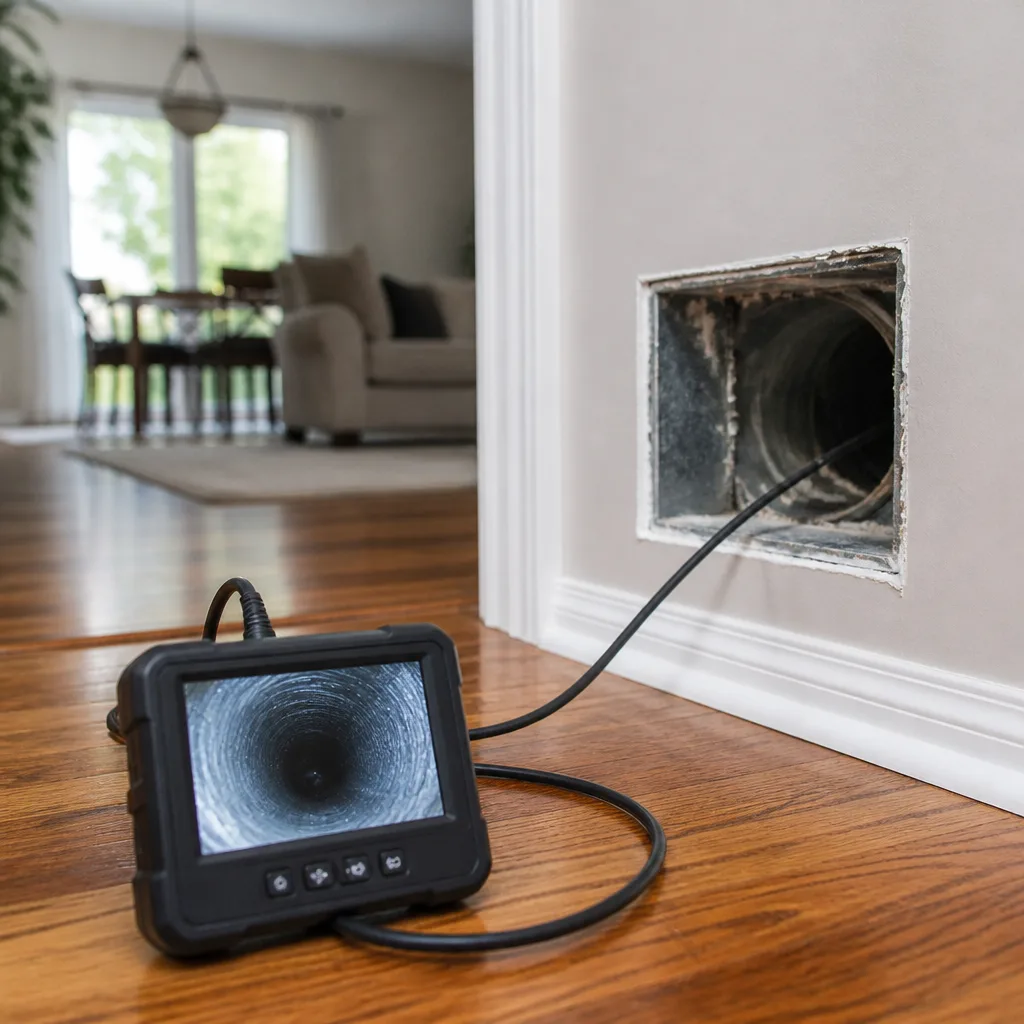 Camera inspection
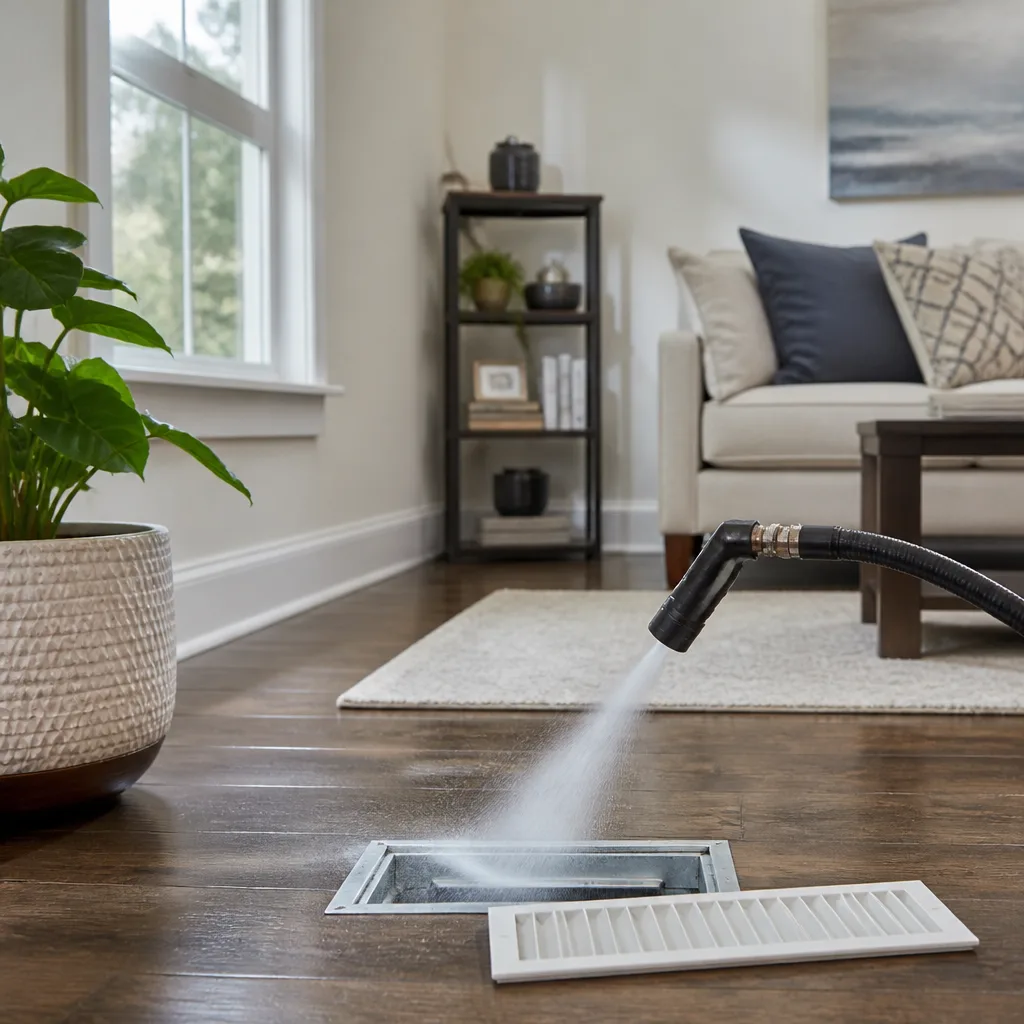 Sanitizing & deodorizing
Whole-system duct and dryer vent check with before-and-after photos - you see exactly what came out of your vents
That "$99 whole-house special" is a bait ad - the real number appears once they are in your hallway, or the "clean" is a shop-vac at the register. We photograph the inside of your ducts before and after instead.
Air Duct Cleaning Emergency Preparedness Guide for San Clemente Homes
Most homeowners treat duct cleaning as a cosmetic chore, something to schedule when the vents look dusty. That’s the wrong frame entirely. The duct system is the one part of your house that touches every room, every hour, and during a smoke event, a power outage, or a burst of post-storm humidity, it becomes the place where a short-term problem turns into a long-term one. The first 48 hours after those events decide whether your air pathway stays clean or absorbs contamination that lingers for months. This guide lays out exactly what to do in San Clemente, step by step, for each type of event, and it tells you honestly which parts you can handle yourself and which parts need a professional scope and equipment.
Quick Answer
After a wildfire smoke event in San Clemente, shut off your HVAC system and seal return vents within the first hours, then have the duct system professionally cleaned before you resume normal operation, because fine smoke particles and combustion byproducts lodge in the air pathway and keep off-gassing long after the air outside clears. After any water intrusion, treat the first 72 hours as the mold prevention window and get the system dried and scoped inside that period. For both scenarios, document everything with photos and a dated log before and during cleaning.
Styles & brands we work with
- Whole-home duct cleaning
- Dryer vent cleaning
- Camera inspection
- Sanitizing & deodorizing
Table of Contents
- Quick Answer
- Why San Clemente’s Climate Creates Specific Duct Emergencies
- The 48-Hour Wildfire Smoke Protocol
- Assessing Contamination: Particle Counters vs. Visual Inspection
- The Post-Storm Moisture Protocol and the 72-Hour Mold Window
- Smoke-Event Cleaning vs. Standard Dust Cleaning: Why the Chemistry Differs
- Documenting Duct Contamination for Your Insurance Claim
- Power Outages and System Restart: What to Check First
- Common Mistakes to Avoid
- When to Call a Professional
- Frequently Asked Questions
- The Bottom Line
Why San Clemente’s Climate Creates Specific Duct Emergencies
San Clemente sits in a climate that looks gentle on paper and creates real duct problems in practice. Our summers are warm enough that most homes run the air conditioner regularly, which means the system is moving large volumes of air through the ducts during exactly the weeks when wildfire smoke events are most likely. Our winters are mild and wet rather than cold, so homes are less likely to dry out from heating the way they would in colder regions, and humidity lingers after storms. Warm, humid air inside a duct system with a little settled dust is the recipe for microbial growth.
Layer in periodic power outages, which in San Clemente often coincide with high-wind fire weather and public safety shutoffs, and you get three distinct event types that all funnel into the same air pathway: smoke infiltration, humidity intrusion, and system shutdown. Each one calls for a different response.
The mistake we see most often is treating all three the same way. A homeowner runs the fan to “clear the air” during a smoke event and drives particles deeper into the system. Another lets a water-damaged air handler sit for a week before calling anyone and gives mold a head start. A third restarts the system after an outage without checking whether the condensate pan overflowed. Each of these turns a manageable event into a cleaning and repair job.
What makes San Clemente homes a little different from a general market is the housing stock itself. Many homes here were built with tighter modern envelopes and flexible duct runs in the attic, both of which hold fine particles longer than older, leakier systems. Tighter homes keep smoke out at first, then trap whatever gets in. And because many San Clemente homes have their air handlers in the attic or a utility closet rather than a conditioned basement, moisture events around that equipment don’t get noticed until there’s a smell inside the house.
Emergency preparedness for your ducts isn’t about reacting faster. It’s about knowing the sequence: what to shut down, what to seal, what to document, and who to call. That sequence is what this guide covers, event by event.
The 48-Hour Wildfire Smoke Protocol
The single most counterintuitive rule for a wildfire smoke event is this: running your HVAC system is not a defense against smoke unless your filtration is genuinely up to it. During the 2020 Silverado Fire event, thousands of coastal Orange County homes did exactly what felt natural, running the air conditioner for cooling while smoke filled the sky, and those systems pulled fine PM2.5 and chemical combustion byproducts straight into the duct pathway through filters that were never designed for that load. Those particles then off-gassed inside homes for weeks after the fire was contained.
Here is the sequence we recommend for a San Clemente home in the first 48 hours of a smoke event.
- Hours 0-2: shut the system down. Turn the thermostat to OFF, not AUTO. Seal return vents with plastic sheeting and painter’s tape, and tape the gap under exterior doors. Close windows and keep interior doors positioned the way you want them before you seal up.
- Hours 2-6: assess your filtration. Check your filter’s MERV rating. A standard low-cost filter captures almost none of the fine smoke particles. A higher-MERV filter helps, but only if your system can handle the added static pressure, which is a conversation for a professional, not a guess.
- Hours 6-24: run a standalone air purifier if you have one. A HEPA purifier in the main living space does real work here without pushing particles into the duct system. Keep it running in the room where you spend the most time.
- Hours 24-48: do not restart the system just because the sky clears. Smoke settles. The particles that entered are still in the ducts. Restarting the fan blows them back into the living space.
- Within the first week after the event: get the system scoped and cleaned. This is the step that prevents the long off-gassing period. Smoke-event cleaning is a different job than routine dust cleaning, and we’ll explain why later in this guide.
A note on the power-off during smoke events: many San Clemente homes lose power during the same wind events that drive the fire. If the system is off when power returns, don’t rush to turn it back on. Check the return vents first, then restart on fan-only mode briefly to confirm nothing smells wrong before you run cooling.
If you’re unsure whether your system took on smoke, this is the moment to call. We use Abatement Technologies equipment for high-particulate capture and professional air duct cleaning to remove what a shop vac can’t reach.
Assessing Contamination: Particle Counters vs. Visual Inspection
You can’t see the particles that matter most. This is the central problem with DIY duct assessment. Fine PM2.5 particles, the ones most associated with smoke events, are below the threshold of what the human eye can detect, and the visible dust on a vent grille is a poor proxy for what’s actually inside the duct run.
That said, homeowners have some useful tools available. Handheld laser particle counters are now sold at consumer prices and measure airborne particle concentration by size range. They won’t tell you what’s inside a duct, but they will tell you whether the air in a room is measurably cleaner or dirtier than the air outside, which is a useful before-and-after comparison. A cheap version of the same check: run the system on fan-only for 15 minutes with the house closed up, then see whether a room’s air feels stale or smells off. That’s a rough smell test, not a measurement, but it flags a problem worth investigating.
What a particle counter can’t do is tell you whether contamination is stuck to the inside of a flexible duct run in your attic, or whether a plenum has accumulated a layer of fine soot. That takes professional scoping. Our technicians use camera inspection to see inside the duct run and confirm what’s actually there before recommending anything.
Here’s a simple decision framework:
- Visual inspection alone: useful for spotting obvious dust buildup on grilles, disconnected joints, or visible moisture. Not useful for fine particles or hidden contamination.
- Consumer particle counter: useful for confirming an air-quality event and for measuring improvement after cleaning. Not a substitute for a duct scope.
- Professional camera scoping: the only way to confirm what’s inside the duct pathway, particularly in flexible runs and plenums that aren’t visible from a vent.
If you want a second set of eyes on what your system absorbed, we’re happy to scope it. That’s what a free estimate in San Clemente involves, and it’s a phone call away.
The Post-Storm Moisture Protocol and the 72-Hour Mold Window
San Clemente’s wet season brings a specific kind of duct emergency: water where it shouldn’t be, in a warm, dark, dust-filled space. That’s the ideal environment for mold colonization, and the widely used rule of thumb in restoration work is that mold can begin to colonize a wet surface within roughly 72 hours. Getting professional intervention inside that window is what prevents a cleaning job from becoming a removal and reconstruction job.
The common sources of moisture in San Clemente duct systems are the condensate pan under the air handler, a roof leak above an attic duct run, and a humidity event where the system pulls moist outside air through a leaky return. Any of these can start the clock.
Here’s what to do if you suspect water has entered the system.
- Stop running the system. Moist air moving through a contaminated duct spreads the problem to rooms that were previously dry.
- Identify the source. Look at the condensate pan, the drain line, the roof above any attic ductwork, and any visible water stains on the ceiling near a return vent. If you can see where the water came from and stop it, do that before anything else.
- Dry the visible water. Towels and a fan in the affected room won’t reach the inside of the duct, but they keep the surrounding space from making things worse.
- Get the system scoped inside the 72-hour window. A camera inspection inside the duct confirms whether moisture reached the interior and whether any visible growth is present. If it did, professional drying and sanitizing is the next step.
- Document everything. Photos of the water source, the affected area, and any visible staining. Insurance claims for water intrusion go smoother with a dated record, and adjusters want to see the source, not just the damage.
For active mold-adjacent situations, we use Abatement Technologies equipment for contaminant capture and Guardsman-grade protective treatments as part of the sanitizing service. These aren’t the same as a consumer fogger. The difference is in the capture step, which keeps contamination from spreading into the living space during removal.
One thing to be honest about: if the moisture event was significant and the system couldn’t be serviced in the 72-hour window, the job is bigger. Call us early, not late.
Smoke-Event Cleaning vs. Standard Dust Cleaning: Why the Chemistry Differs
Routine duct cleaning removes dust, debris, dander, and the accumulated household particles that settle over years. A smoke event leaves something different: fine soot particles, and chemical byproducts of combustion that absorb into surfaces and onto any existing dust layer and then off-gas over time. Vacuuming the visible dust doesn’t remove the off-gassing problem, because the chemistry is at the particle level.
Here’s how the two jobs differ in practice:
- Standard dust cleaning uses mechanical agitation and HEPA extraction with professional equipment. We use Rotobrush and Nikro systems, which are purpose-built for duct cleaning rather than repurposed vacuums. The goal is removal of settled particles and a clean interior surface.
- Smoke-event cleaning adds a capture-first step, so fine particles don’t get aerosolized during the clean. Abatement Technologies equipment is what we reach for when the particle load is elevated. The job moves slower on purpose. The interior surfaces then get treated to address residual odor and off-gassing compounds, which is where Guardsman-grade treatments come into the sanitizing service.
The biggest practical difference homeowners notice is the smell. A standard dust clean may or may not change how a house smells. A proper smoke-event clean should. If it doesn’t, the cleaning didn’t address the chemistry, only the visible dust.
One more difference: smoke-event cleaning is often the moment we find leaks, disconnected joints, or a return path pulling from a space it shouldn’t. Our HVAC cleaning covers the system components, not just the ducts, and our Duct Repair & Sealing service lets us correct what we find in the same visit rather than scheduling a return trip.
Documenting Duct Contamination for Your Insurance Claim
Adjusters don’t respond to a vague sense that the air is dirty. They respond to a documented sequence: the event, the evidence that the system was affected, and the scope of what’s required to fix it. Getting this right before work starts makes a difference on whether a claim is approved and at what amount.
What adjusters actually look for, in our experience:
- Date-stamped photos of the event’s impact on the home, taken before any cleaning. Insurance claims are dated from the event, and a photo of smoke staining on a windowsill or visible soot near a return vent is stronger than a written description.
- Photos inside the duct pathway, ideally with a professional camera scope, showing contamination. This is the evidence that ties the event to the system.
- Before-and-after documentation from the cleaning itself, which shows what was removed and confirms work was completed.
- A written scope of work from the cleaning company describing what’s being done and why. Adjusters process written scopes faster than verbal descriptions.
- Particle count readings if you have them. They aren’t required, but they help.
Two things not to do: don’t throw out your old filter before taking a photo of it, and don’t clean anything until you’ve documented what happened. The cleaning can wait a day. The documentation can’t. We photograph the system before and after cleaning on every job, and those photos go to the homeowner, not just to our records.
A note on the bigger picture: not every smoke event qualifies for an insurance claim, and the claim process is between you and your insurer. What we can do is give you the documentation and scope of work your adjuster needs to process the claim.
Power Outages and System Restart: What to Check First
San Clemente’s fire-season power shutoffs create a quieter kind of duct emergency. A system that sits off for hours, then restarts, can run into a few common issues, and one of them is a moisture event that nobody noticed.
When your power returns after an extended outage, check these in order.
- Look at the condensate pan under the air handler. If it overflowed during the outage, there’s standing water in or near the system. Stop and address the moisture before restarting.
- Check the filter. A filter that was already near end of life before the outage won’t protect anything, and running the system for hours during a smoke event with a loaded filter makes things worse.
- Restart on fan-only mode for a few minutes and pay attention to the smell coming from the vents. Any lingering smoke or musty odor tells you the system needs attention before normal operation.
- Then resume normal operation and watch for changes in the first day: unusual smells, visible dust on surfaces that weren’t dusty before, or any sign the system is short-cycling.
If the outage was tied to a fire event, the restart protocol from the wildfire section also applies. If it was tied to a storm, the moisture protocol applies. In either case, the decision point is the same: what entered the duct pathway while the system was off or running compromised?
See the difference
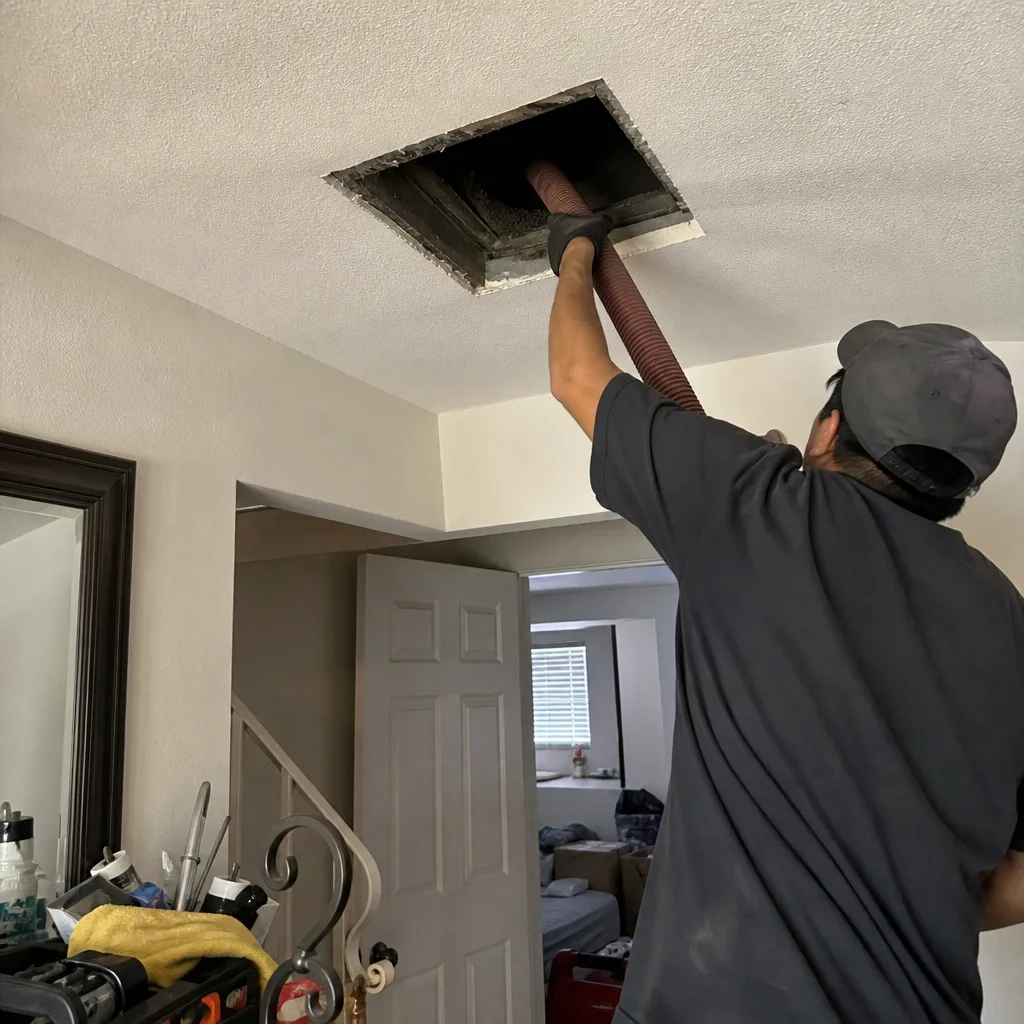 Before
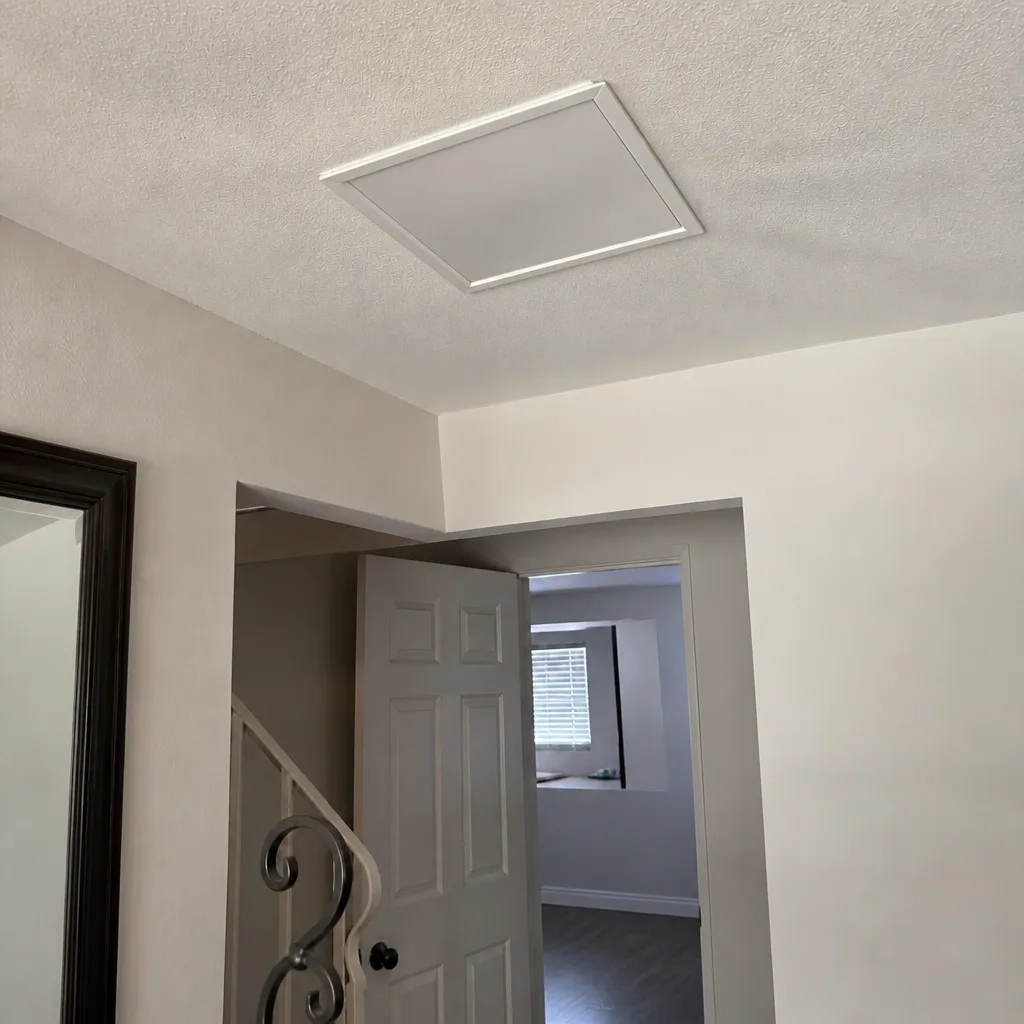 After
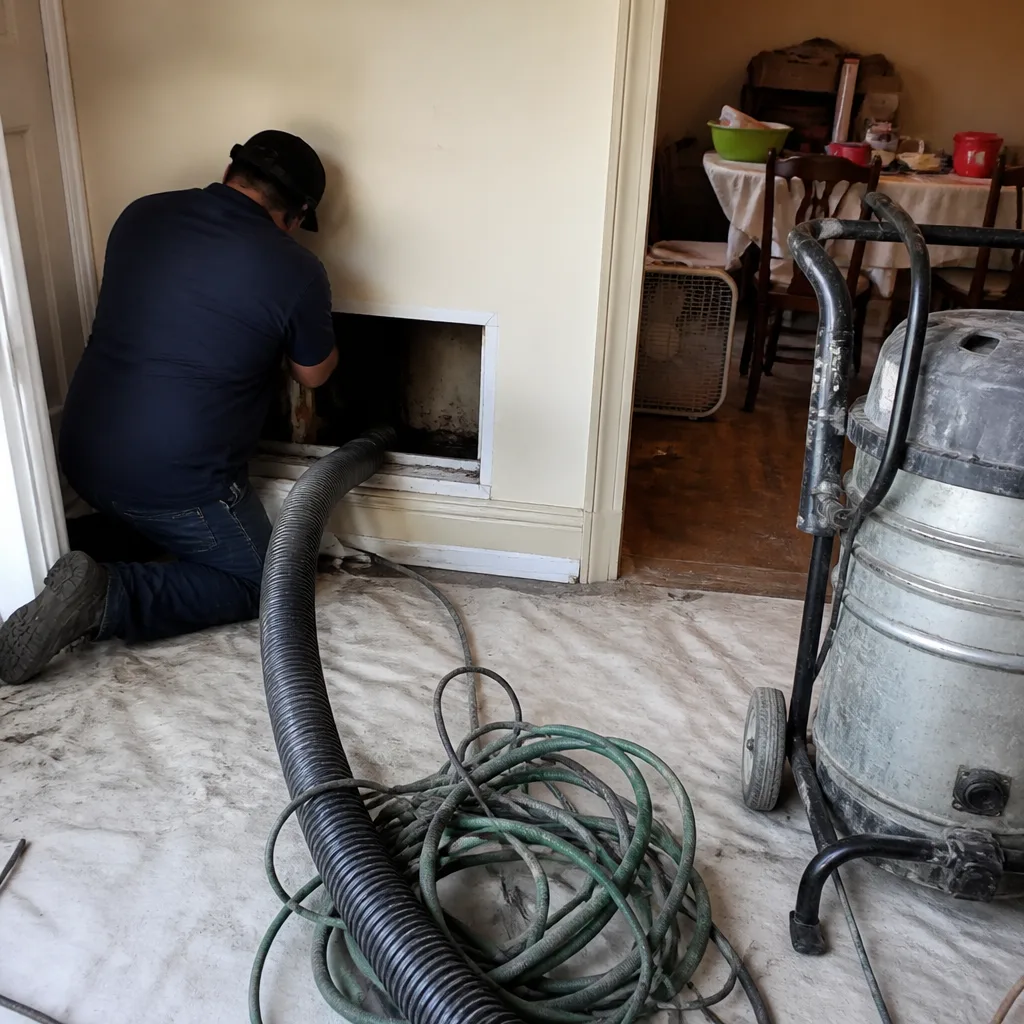 Before
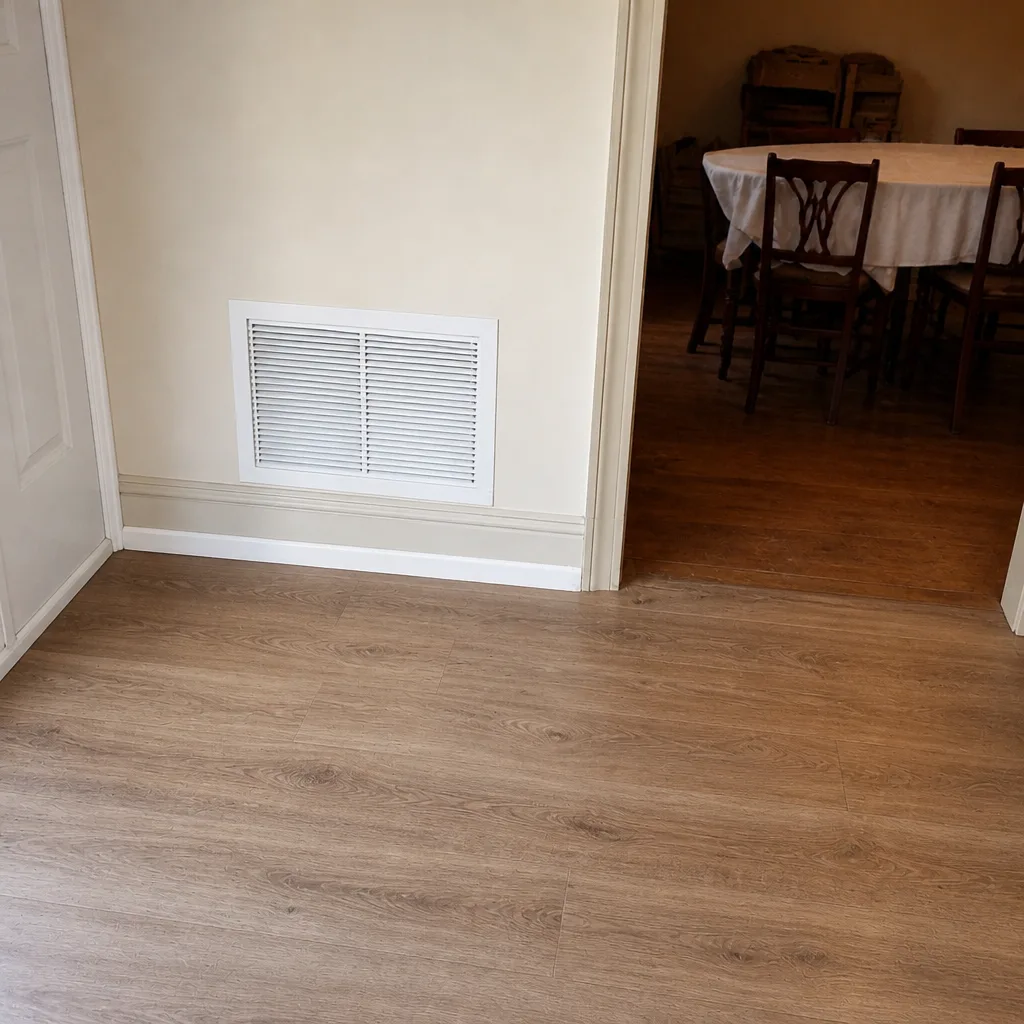 After
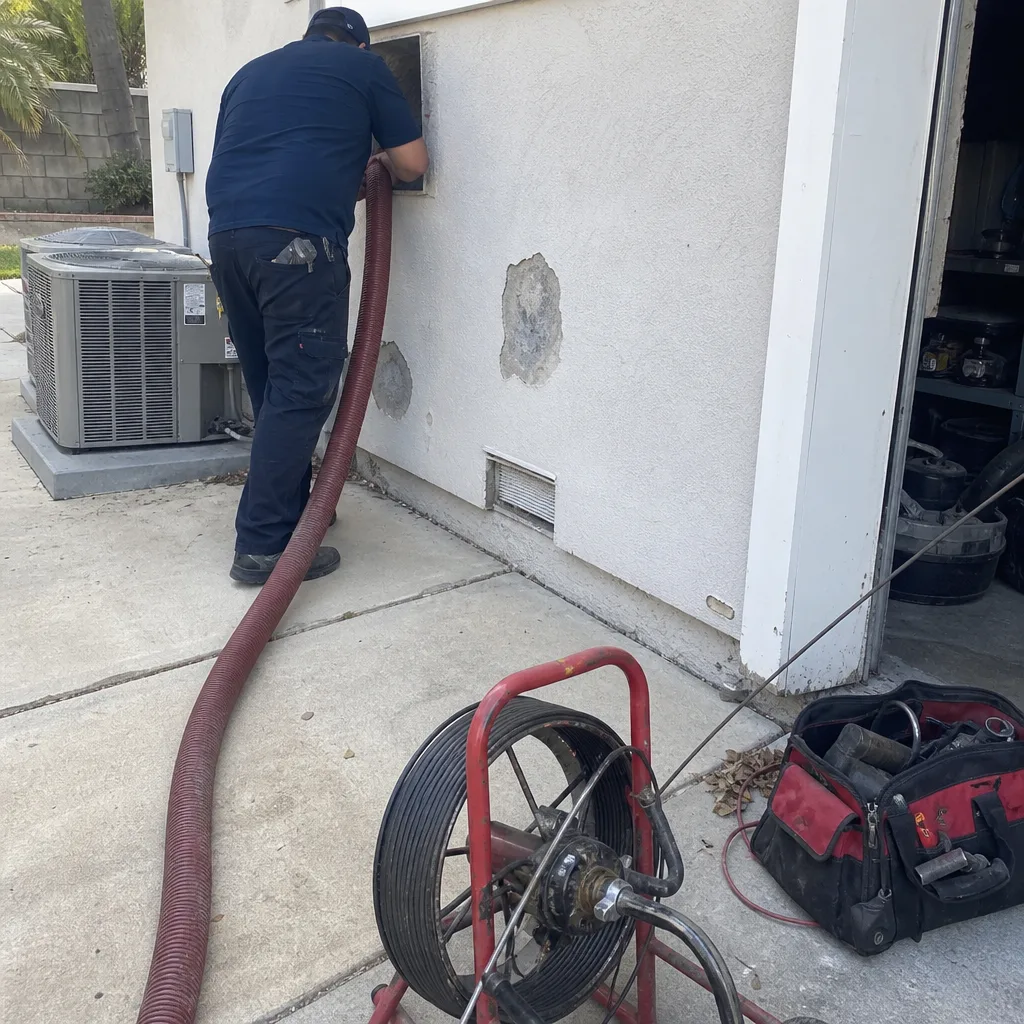 Before
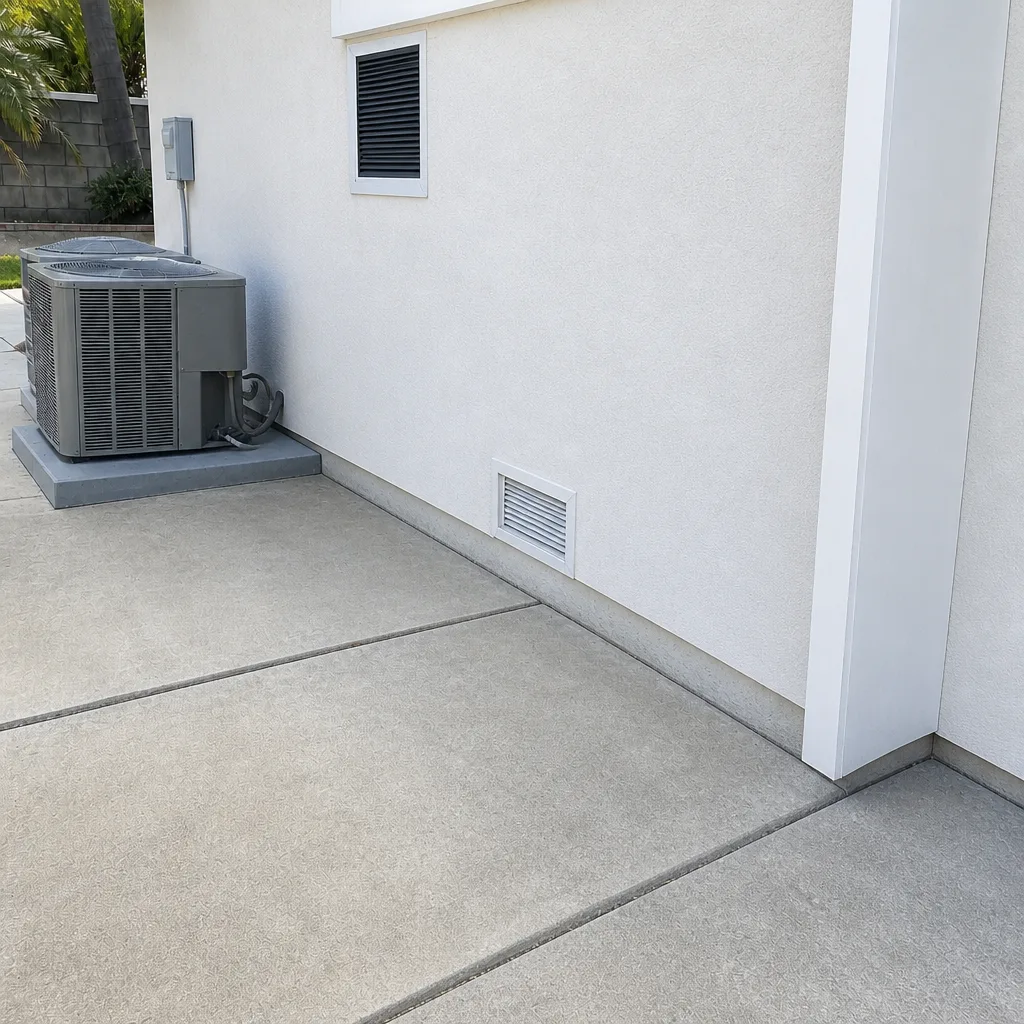 After
Common Mistakes to Avoid
- Running the fan to “clear the air” during a smoke event. This pulls fine smoke particles into the duct pathway through filters that weren’t designed for the load. Shut the system down and seal the returns first.
- Restarting the HVAC the moment the outside air clears. The particles that entered the system don’t leave when the outside air does. Restarting before cleaning blows everything back into the living space.
- Waiting more than 72 hours to address water intrusion. The mold colonization window is short, and it’s easier and cheaper to deal with a moisture event early than after growth has taken hold.
- Skipping the documentation step before cleaning. If there’s an insurance claim in play, photos taken before any cleaning are the strongest evidence you’ll have. Once it’s cleaned, that record is gone.
- Assuming a consumer air purifier solves the smoke problem. A HEPA purifier helps in the short term, but it doesn’t clean the duct pathway. Once the smoke clears, the duct system still holds what it absorbed.
- Treating a smoke cleaning as the same as a routine dust cleaning. The chemistry is different, and so is the equipment. A standard vacuum job doesn’t address off-gassing.
- Ignoring the smell after a smoke clean. A proper smoke-event cleaning should change how the house smells. If it doesn’t, the chemistry wasn’t addressed.
When to Call a Professional
You should call a professional if any of these apply: a wildfire smoke event affected your area and the system was running during it; a power outage lasted more than a few hours and you haven’t confirmed the condensate pan is clear; any water intrusion reached the air handler or attic ductwork; the system smells musty or off after a storm or an outage; visible soot or fine dust is showing up at the vents more than a day after a smoke event; or you’re preparing a home for a new tenant and want a documented cleaning between leases. Property managers in San Clemente often use the preparation visit for exactly this, because a documented cleaning before a tenant moves in prevents disputes later. In our experience, the earlier you call after the event, the simpler the job. San Clemente Air Duct Cleaning Pros offers free estimates in San Clemente. Call (866) 371-4884. We answer 24/7. Fast dispatch from 7am to 7pm.
Frequently Asked Questions
Within the first week after the smoke clears, and before you resume running the system. The faster the cleaning follows the event, the less time particles have to settle into the duct surfaces and start off-gassing. If the event was severe and the system was running during it, call sooner rather than later.
Call (866) 371-4884 to schedule an estimate.
No, and it’s the most common mistake we see. Fan mode pushes smoke particles into the duct pathway rather than removing them, and a standard filter catches very little of it. Seal the returns and shut the system down during the event, then clean before you resume.
Because the chemistry is different. Normal dust cleaning removes settled particles. Smoke cleaning has to capture fine soot and address chemical off-gassing compounds that absorb into duct surfaces. That means a different capture step and a treatment step afterward, not just a vacuum and a brush.
The only reliable answer is a professional camera scope inside the duct pathway. A musty smell and visible moisture near the air handler are warning signs, but they aren’t confirmation. Get the system scoped within 72 hours of any water intrusion, since that’s the window before colonization is likely to be significant. Call for an estimate and we’ll scope it.
Sometimes, depending on the policy and the event. What matters most is documentation: date-stamped photos, a professional scope of work, and before-and-after photos from the cleaning. We provide all three so your adjuster has what they need. The claim decision is between you and your insurer.
A particle counter measures airborne concentration in a room, which is useful for confirming a problem and measuring improvement. It won’t tell you what’s inside the duct. A professional scope gets a camera inside the duct run and shows you what’s actually there. Both have a place, but they answer different questions.
The Bottom Line
San Clemente’s wildfire smoke events, power outages, and post-storm humidity share a single failure mode: each one funnels contamination into the duct system at a moment when homeowners are most likely to run the system rather than shut it down. The response protocol is the leverage point. Shut down and seal during a smoke event. Scope within 72 hours of any moisture intrusion. Document everything before anyone cleans anything. Then get the system professionally cleaned with the right equipment for the event type, and seal what’s leaking so the next event doesn’t start the cycle over. Our technicians have up to 10 years of experience, and we handle the whole air pathway in one visit, from dryer vent cleaning to hvac cleaning and the sanitizing and repair work that makes a clean last. If you’re in San Clemente and an event has already happened or is likely coming, call before you restart the system.
Ready to get your duct system scoped and cleaned? Call (866) 371-4884 for a free estimate. We answer 24/7. Fast dispatch from 7am to 7pm, Sunday through Friday. Visit San Clemente Air Duct Cleaning Pros to learn more about our full-system approach.
Written by the team at San Clemente Air Duct Cleaning Pros.